

In the realm of industrial coding and marking, ink coding machines play a pivotal role. They are widely used across various industries to print important information such as batch numbers, expiration dates, barcodes, and product details on different surfaces. One of the key technical parameters of an ink coding machine is the inkjet frequency. In this blog, as a supplier of ink coding machines, I will delve into what the inkjet frequency of an ink coding machine is, its significance, and how it impacts the performance of the machine.
Understanding Inkjet Frequency
Inkjet frequency refers to the number of ink droplets ejected by the print head of an ink coding machine per second. It is typically measured in Hertz (Hz). For example, if an ink coding machine has an inkjet frequency of 50,000 Hz, it means that the print head can eject 50,000 ink droplets in one second.
The inkjet frequency is determined by the internal mechanism of the ink coding machine, specifically the piezoelectric or thermal technology used in the print head. In piezoelectric inkjet technology, a piezoelectric crystal is used to create pressure waves that force ink droplets out of the nozzles. The frequency at which the crystal vibrates determines the inkjet frequency. In thermal inkjet technology, a heating element is used to create bubbles in the ink, which then forces the ink droplets out of the nozzles. The rate at which the heating element heats up and cools down determines the inkjet frequency.
Significance of Inkjet Frequency
The inkjet frequency has a significant impact on the performance of an ink coding machine in several ways:
Printing Speed
One of the most obvious impacts of inkjet frequency is on the printing speed. A higher inkjet frequency means that more ink droplets can be ejected per second, which allows the machine to print at a faster rate. This is particularly important in high - speed production lines where a large number of products need to be coded in a short period of time. For example, in a beverage bottling plant, thousands of bottles may need to be coded with expiration dates and batch numbers every hour. A high - frequency ink coding machine can keep up with the production speed and ensure that all products are accurately coded.
Print Quality
In addition to printing speed, inkjet frequency also affects print quality. A higher frequency can result in a more continuous and smooth print. When the inkjet frequency is too low, there may be gaps between the ink droplets, which can lead to a jagged or incomplete print. On the other hand, a high - frequency inkjet can produce a more precise and detailed print, especially when printing small characters or high - resolution barcodes. This is crucial for applications where the printed information needs to be clearly readable and scannable, such as in the pharmaceutical and food industries.
Versatility
The inkjet frequency also determines the versatility of an ink coding machine. Different types of inks and substrates may require different inkjet frequencies for optimal printing. For example, some inks may require a higher frequency to ensure proper adhesion and drying on certain substrates. A machine with adjustable inkjet frequency can be more versatile and can be used with a wider range of inks and substrates, which makes it suitable for different applications.
Factors Affecting Inkjet Frequency
Several factors can affect the inkjet frequency of an ink coding machine:
Print Head Design
The design of the print head is a major factor in determining the maximum inkjet frequency. Print heads with smaller nozzles and more advanced piezoelectric or thermal elements can generally achieve higher frequencies. However, smaller nozzles also increase the risk of clogging, so a balance needs to be struck between nozzle size and inkjet frequency.
Ink Properties
The properties of the ink, such as viscosity, surface tension, and drying time, can also affect the inkjet frequency. Inks with high viscosity may require a higher frequency to be ejected properly, while inks with low surface tension may be more prone to spreading and may require a more controlled frequency. Additionally, the drying time of the ink can also impact the frequency, as the ink needs to dry quickly enough before the next droplet is ejected to avoid smudging.

Machine Configuration
The overall configuration of the ink coding machine, including the power supply, control system, and cooling system, can also influence the inkjet frequency. A stable power supply is essential for maintaining a consistent frequency, while an efficient cooling system can prevent overheating of the print head, which can affect the performance of the piezoelectric or thermal elements.
Choosing the Right Inkjet Frequency
When choosing an ink coding machine, it is important to select the right inkjet frequency based on your specific application requirements. Here are some considerations:
Production Speed
As mentioned earlier, if you have a high - speed production line, you will need a machine with a high inkjet frequency to keep up with the production rate. On the other hand, if your production speed is relatively low, a lower - frequency machine may be sufficient and more cost - effective.
Print Quality Requirements
If you need to print high - resolution barcodes, small characters, or detailed graphics, a higher inkjet frequency is recommended to ensure good print quality. However, if the printed information is relatively simple, such as large - sized batch numbers, a lower frequency may be acceptable.
Substrate and Ink Type
Different substrates and inks may require different inkjet frequencies. It is important to consult with the ink coding machine supplier to determine the optimal frequency for your specific substrate and ink combination. For example, if you are printing on a porous substrate, a higher frequency may be needed to ensure proper ink penetration.
Our Ink Coding Machines and Inkjet Frequency
As a supplier of ink coding machines, we offer a wide range of machines with different inkjet frequencies to meet the diverse needs of our customers. Our high - end models are equipped with advanced print heads that can achieve extremely high inkjet frequencies, making them suitable for high - speed production lines and applications that require high - quality prints.
In addition to our standard models, we also provide customized solutions. Our technical team can work closely with you to understand your specific requirements and recommend the most suitable inkjet frequency for your application. We also offer after - sales support, including maintenance, ink supply, and technical training, to ensure that your ink coding machine operates at its best.
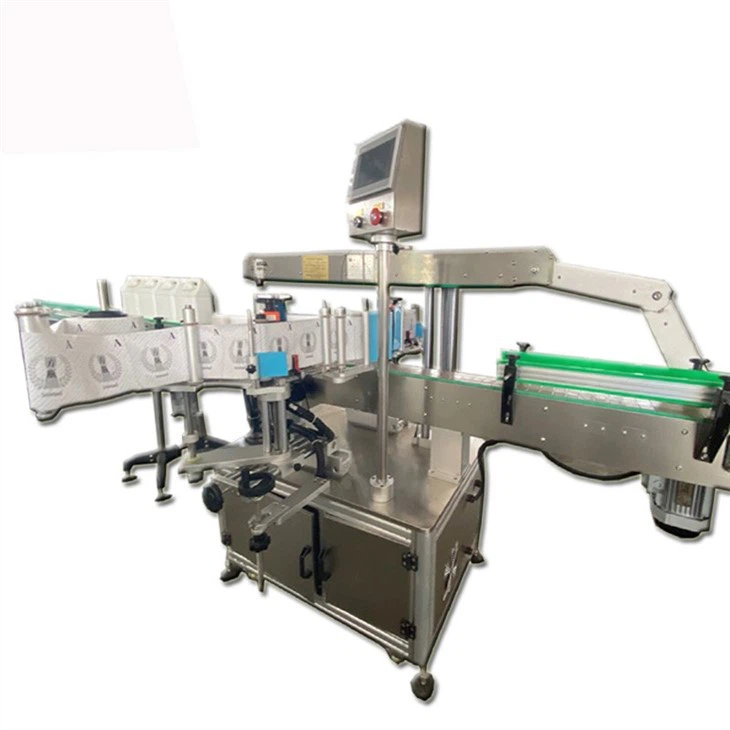
If you are also interested in other related equipment, we also provide Single-sided Self-adhesive Labeling Machine and Double-sided Self-adhesive Labeling Machine which can complement your coding and marking process.
Conclusion
In conclusion, inkjet frequency is a crucial parameter of an ink coding machine that affects both printing speed and print quality. Understanding the concept of inkjet frequency and its significance can help you make an informed decision when choosing an ink coding machine. As a reliable supplier, we are committed to providing high - quality ink coding machines with the right inkjet frequency for your specific needs. If you have any questions or need more information about our ink coding machines, please feel free to contact us for a detailed discussion and potential purchase. We look forward to working with you to improve your coding and marking processes.
References
- "Industrial Inkjet Coding and Marking Technology" - A technical guidebook on inkjet coding technology.
- "Inkjet Printing Principles and Applications" - A research paper on the principles and applications of inkjet printing.