

In the packaging industry, sleeve labeling machines play a crucial role in enhancing product appearance and brand recognition. However, one common challenge faced during the operation of these machines is static electricity. Static electricity can cause various problems, such as label misalignment, label sticking to the wrong parts of the machine, and even potential damage to sensitive electronic components. As a leading sleeve labeling machine supplier, we understand the importance of effective anti - static measures. In this blog, we will explore what anti - static measures are applicable in a sleeve labeling machine.
Understanding Static Electricity in Sleeve Labeling Machines
Static electricity is generated when two materials come into contact and then separate. In a sleeve labeling machine, this can occur in multiple scenarios. For instance, when the labels are unwound from the roll, the friction between the label material and the machine's components can generate static charges. Also, the movement of the product on the conveyor belt can create static electricity due to the contact and separation between the product and the belt.
The presence of static electricity can have several negative impacts on the labeling process. Labels may not adhere properly to the products, leading to poor labeling quality. Static charges can attract dust and debris, which can further affect the appearance of the labeled products. Moreover, in extreme cases, static electricity can cause electrical interference with the machine's control systems, leading to malfunctions.
Anti - Static Measures in Sleeve Labeling Machines
1. Grounding
Grounding is one of the most basic and effective anti - static measures. By connecting the sleeve labeling machine to a proper ground, the static charges can be safely discharged into the earth. All metal parts of the machine, including the frame, conveyor belt supports, and labeling heads, should be grounded. This can be achieved by using grounding wires that are connected to a reliable grounding rod. Regular checks should be carried out to ensure that the grounding connections are intact and the resistance is within the acceptable range.
2. Ionization
Ionization is another widely used anti - static method. Ionizers work by generating ions that neutralize the static charges on the labels and the products. There are two main types of ionizers: passive ionizers and active ionizers.
Passive ionizers, such as static bars, do not require an external power source. They work by using the static charges in the environment to create a corona discharge, which generates ions. Static bars can be installed near the labeling area, such as above the conveyor belt or next to the label dispenser.
Active ionizers, on the other hand, are powered devices that produce a large number of ions. They can be more effective in neutralizing static charges, especially in areas with high static generation. Active ionizers can be adjusted to control the ion output according to the specific requirements of the labeling process. For example, in a high - speed sleeve labeling machine, a more powerful active ionizer may be needed to ensure that the static charges are quickly neutralized.
3. Anti - Static Materials
Using anti - static materials in the construction of the sleeve labeling machine can also help reduce static generation. For example, the conveyor belt can be made of anti - static rubber or plastic materials. These materials have a lower tendency to generate static charges when in contact with the products. Similarly, the label dispenser components can be coated with anti - static materials to prevent static build - up on the labels.
4. Humidity Control
The humidity level in the environment where the sleeve labeling machine is operating can have a significant impact on static electricity. In dry environments, static charges are more likely to build up. By maintaining a proper humidity level, usually between 40% and 60%, the conductivity of the air increases, which helps to dissipate static charges. This can be achieved by using humidifiers in the production area. However, it is important to ensure that the humidity does not cause other problems, such as corrosion of the machine's metal parts.
5. Anti - Static Sprays and Coatings
Anti - static sprays and coatings can be applied to the labels and the products before the labeling process. These sprays and coatings contain conductive materials that help to dissipate static charges. They can be sprayed directly onto the labels or the products using a spray gun. However, care should be taken to ensure that the sprays and coatings do not affect the adhesion of the labels or the appearance of the products.
Our Sleeve Labeling Machines and Anti - Static Features
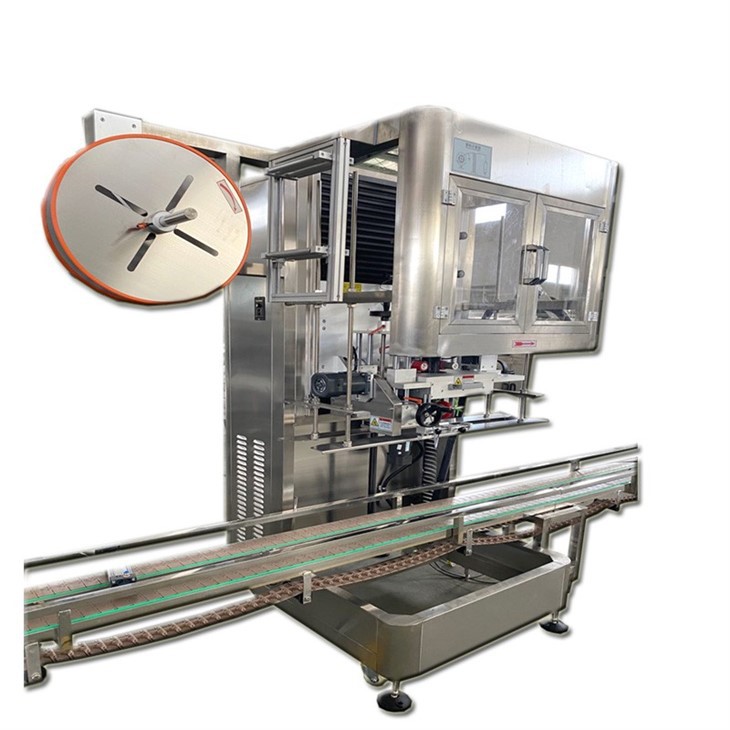
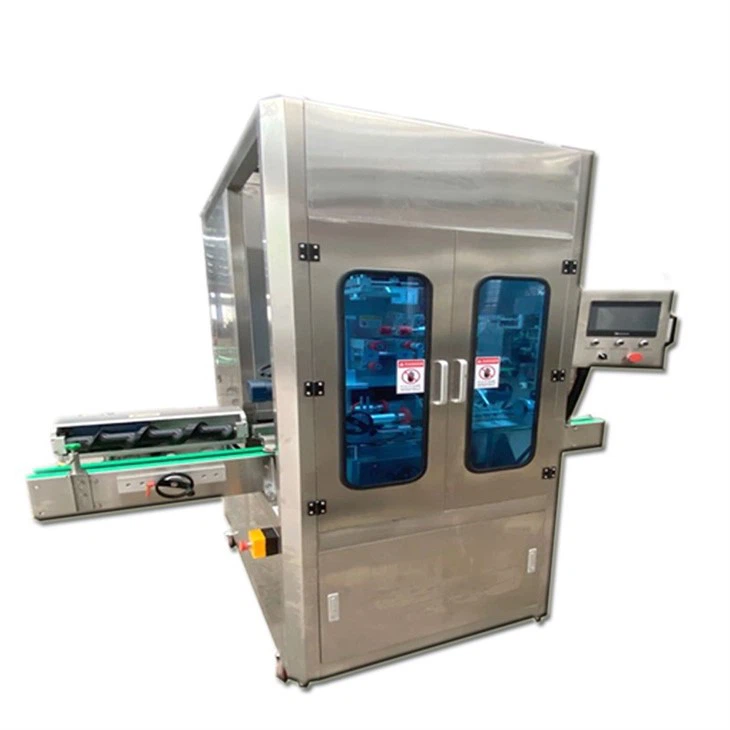
As a sleeve labeling machine supplier, we incorporate these anti - static measures into our products to ensure high - quality labeling. Our Large Bucket Water Sleeve Labeling Machine is designed with proper grounding systems and can be equipped with ionizers to neutralize static charges during the labeling process. This ensures that the labels adhere perfectly to the large - sized water buckets, providing a professional and attractive appearance.
Our Fully Automatic Sleeve Labeling Machine is another product that benefits from advanced anti - static technologies. With its high - speed operation, the risk of static build - up is relatively high. However, our machine uses active ionizers to quickly neutralize static charges, allowing for smooth and accurate labeling even at high production speeds.
The Double Head Sleeve Labeling Machine is also designed with anti - static features. The dual - head design requires precise label placement, and static electricity can easily disrupt this process. By implementing grounding, ionization, and using anti - static materials, we ensure that the labels are applied accurately on both sides of the products.
Conclusion
Static electricity is a common problem in sleeve labeling machines, but with the right anti - static measures, it can be effectively controlled. Grounding, ionization, using anti - static materials, humidity control, and anti - static sprays and coatings are all important methods to reduce static generation and neutralize static charges. As a sleeve labeling machine supplier, we are committed to providing high - quality machines with advanced anti - static features to meet the needs of our customers.
If you are interested in our sleeve labeling machines or have any questions about anti - static measures, please feel free to contact us for further discussion and procurement negotiation. We are looking forward to working with you to achieve the best labeling results for your products.
References
- "Handbook of Static Electricity" by Arthur D. Moore
- "Industrial Static Control: Fundamentals and Applications" by Ronald G. Gilmour