

Yo, folks! As a water treatment system supplier, I'm super stoked to dive into the nitty - gritty of ion exchange in a water treatment system. It's a key process that plays a massive role in making water safe and clean for all sorts of uses.
So, what exactly is ion exchange? Well, think of it as a chemical dance party in your water treatment system. In simple terms, ion exchange is a process where ions in a liquid (usually water) are swapped out for other ions that are attached to an insoluble solid material. This solid material is called an ion - exchange resin.
Let's break it down a bit more. You see, water can have all kinds of unwanted ions floating around in it. These could be things like calcium, magnesium, and iron ions, which can cause problems like hard water. Hard water can lead to limescale buildup in pipes, appliances, and fixtures, reducing their efficiency and lifespan. Ion exchange comes to the rescue by getting rid of these problematic ions.
The ion - exchange resin is like a magnet for specific ions. It has a bunch of sites on its surface that are pre - loaded with ions that we want to trade with the bad ions in the water. For example, in a water softening system, a common type of ion - exchange application, the resin is usually loaded with sodium ions. When hard water passes through the resin bed, the calcium and magnesium ions in the water are attracted to the resin and stick to it. In return, the sodium ions that were originally on the resin are released into the water. So, in the end, you get water with less calcium and magnesium, and more sodium, which is much softer and better for your pipes and appliances.
Now, let's talk about how this process actually works in a water treatment system. The system typically consists of a tank filled with the ion - exchange resin. Water enters the tank at the top and slowly makes its way through the resin bed. As it does, the ion - exchange process happens. Once the resin has used up all its available trading ions, it needs to be regenerated. This is done by flushing a concentrated solution of the trading ions (like a salt solution in the case of water softening) through the resin bed. This forces the bad ions off the resin and reloads it with the good ions, so it's ready to do its job again.
There are different types of ion - exchange resins, each designed to target specific ions. Some are cation exchangers, which deal with positively charged ions like calcium and magnesium. Others are anion exchangers, which are used to remove negatively charged ions such as chloride, sulfate, and nitrate. Depending on the quality of the water you're treating and the specific contaminants you want to remove, you'll choose the appropriate type of resin.

One of the great things about ion exchange is its versatility. It can be used in a wide range of applications. In addition to water softening, it's used in industrial processes to purify water for manufacturing. For example, in the pharmaceutical industry, ion exchange is used to remove impurities from water to ensure the quality of the drugs being produced. It's also used in power plants to treat boiler feedwater, which helps prevent corrosion and scale formation in the boilers.
But like any process, ion exchange has its pros and cons. On the plus side, it's a very effective way to remove specific ions from water. It can achieve high levels of purification and is relatively easy to operate and maintain. However, it does have some drawbacks. For one, the regeneration process requires the use of chemicals, which can be expensive and may have environmental impacts if not properly managed. Also, if the water has a high concentration of certain contaminants, the resin may become fouled more quickly, reducing its effectiveness.
Now, if you're in the market for a water treatment system that uses ion exchange, you need to make sure you choose the right one for your needs. Consider factors like the quality of your source water, the volume of water you need to treat, and your budget. And that's where we come in. As a water treatment system supplier, we have a wide range of ion - exchange - based systems that are designed to meet different requirements. Whether you need a small - scale system for your home or a large - scale industrial solution, we've got you covered.
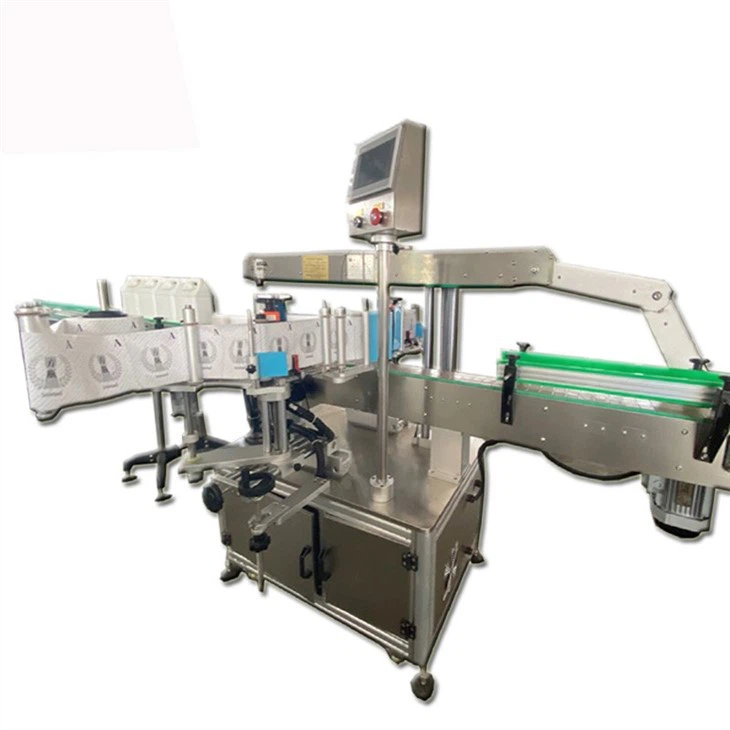
If you're interested in learning more about our products, you can check out some of the related equipment on our website. For example, we also offer some great labeling machines for your water treatment products. You can take a look at our Single - sided Self - adhesive Labeling Machine and Self - adhesive Labeling Machine. These can be really useful if you're looking to package and label your treated water products professionally.
We're always here to help you find the best water treatment solution for your situation. If you have any questions or want to start a conversation about purchasing a system, don't hesitate to reach out. We can provide you with detailed information, quotes, and even help you with the installation and maintenance of the system. So, if you're tired of dealing with hard water or other water quality issues, let's talk and see how ion - exchange water treatment can make a difference for you.
In conclusion, ion exchange is a powerful and important process in water treatment. It has the ability to transform the quality of water, making it safer and more suitable for various uses. Whether you're a homeowner looking for a better - tasting and less damaging water supply, or an industrial operator in need of high - quality process water, ion - exchange systems can be a great solution. And as your trusted water treatment system supplier, we're committed to providing you with the best products and services to meet your needs. So, let's get the ball rolling and make your water treatment problems a thing of the past!
References:
- "Water Treatment Principles and Design" by David W. Hendricks, George Tchobanoglous, and Franklin L. Burton
- "Ion Exchange for Water and Wastewater Treatment" by W. Jerry King