

Hey there! As a supplier of water treatment systems, I've seen firsthand the amazing features that make a water treatment system truly smart. In this blog, I'm gonna break down these features for you, so you can understand why a smart water treatment system is a game - changer.
Real - time Monitoring
One of the most significant features of a smart water treatment system is real - time monitoring. This means that the system can constantly keep an eye on various parameters of the water, such as pH levels, turbidity, and the presence of contaminants. With real - time data at our fingertips, we can quickly detect any issues. For example, if the pH level suddenly goes out of the normal range, it could indicate a problem with the water source or a malfunction in the treatment process.
This real - time monitoring is made possible by advanced sensors installed throughout the system. These sensors are super accurate and can transmit data to a central control unit. From there, the data can be accessed remotely via a smartphone app or a web - based interface. It's like having a 24/7 water quality watchdog that never sleeps!
Automated Adjustments
Once the system has monitored the water parameters, it can make automated adjustments. For instance, if the turbidity of the water is too high, the system can increase the dosage of coagulants or adjust the flow rate through the filters. This automation ensures that the water is always treated to the desired quality standards without the need for constant manual intervention.

Automated adjustments also help in optimizing the use of resources. Instead of using a fixed amount of chemicals or energy all the time, the system can adjust these inputs based on the actual water conditions. This not only saves money but also reduces the environmental impact of the water treatment process.
Predictive Maintenance
Smart water treatment systems are also capable of predictive maintenance. By analyzing the data collected over time, the system can predict when a component is likely to fail. For example, if a pump has been running for a long time and its energy consumption is gradually increasing, it could be a sign that the pump is wearing out.
The system can then send an alert to the maintenance team, allowing them to schedule maintenance before a major breakdown occurs. This proactive approach to maintenance reduces downtime and extends the lifespan of the equipment. It's like having a crystal ball that tells you when something might go wrong, so you can fix it before it becomes a big headache.
Remote Control and Management
Another great feature is the ability to control and manage the water treatment system remotely. Whether you're at the office, at home, or on the go, you can use a smartphone or a computer to access the system. You can start or stop the system, adjust settings, and view real - time data from anywhere in the world.
This remote control feature is especially useful for large - scale water treatment plants that are spread over a wide area. It allows the operators to manage multiple systems efficiently without having to be physically present at each location. It's like having a virtual control room in your pocket!
Integration with Other Systems
A smart water treatment system can also integrate with other systems in a building or a facility. For example, it can be integrated with the building's HVAC system. If the water treatment system detects that the water quality is poor, it can send a signal to the HVAC system to reduce the use of water - based cooling or heating systems.
It can also integrate with the security system. In case of a water leak or a malfunction that could pose a safety risk, the system can trigger an alarm in the security system. This integration creates a more connected and efficient environment.
User - friendly Interface
The interface of a smart water treatment system is designed to be user - friendly. Even if you're not a water treatment expert, you can easily understand the data and operate the system. The dashboard typically displays key information in a clear and concise manner, with graphs and charts that make it easy to visualize the water parameters.
There are also built - in help guides and tutorials that can assist you in case you have any questions. The system also provides error messages that explain what's wrong and how to fix it. This user - friendly interface makes it accessible to a wide range of users, from small business owners to large industrial operators.
Energy Efficiency
Energy efficiency is a crucial feature of a smart water treatment system. The system uses advanced algorithms to optimize the energy consumption. For example, it can adjust the speed of the pumps based on the water flow rate, so that the pumps don't consume more energy than necessary.
It also uses energy - efficient components, such as LED lights for illumination in the treatment plant. By reducing energy consumption, the system not only saves money but also contributes to a more sustainable future.
Scalability
A smart water treatment system is scalable. Whether you have a small household or a large industrial complex, the system can be customized to meet your specific needs. You can start with a basic system and then add more components or expand the capacity as your water treatment requirements grow.
This scalability makes it a cost - effective solution for businesses of all sizes. You don't have to invest in a large - scale system right from the start if you don't need it. You can gradually upgrade the system as your business expands.
Data Analytics and Reporting
The data collected by the smart water treatment system can be used for in - depth analytics and reporting. You can generate reports on water quality trends, energy consumption, and maintenance history. These reports can be used for regulatory compliance, internal audits, or to identify areas for improvement.
Data analytics can also help in making informed decisions about the water treatment process. For example, by analyzing the data, you can determine if a particular treatment method is more effective than another. You can also identify patterns in water use and quality that can help you optimize the system further.
Enhanced Safety
Smart water treatment systems are designed with enhanced safety features. For example, there are sensors that can detect leaks, spills, or the presence of hazardous chemicals. If a safety issue is detected, the system can automatically shut down the relevant parts of the system and send an alert to the operators.
There are also safety interlocks in place to prevent unauthorized access to the system. This ensures that the water treatment process is safe for both the operators and the environment.
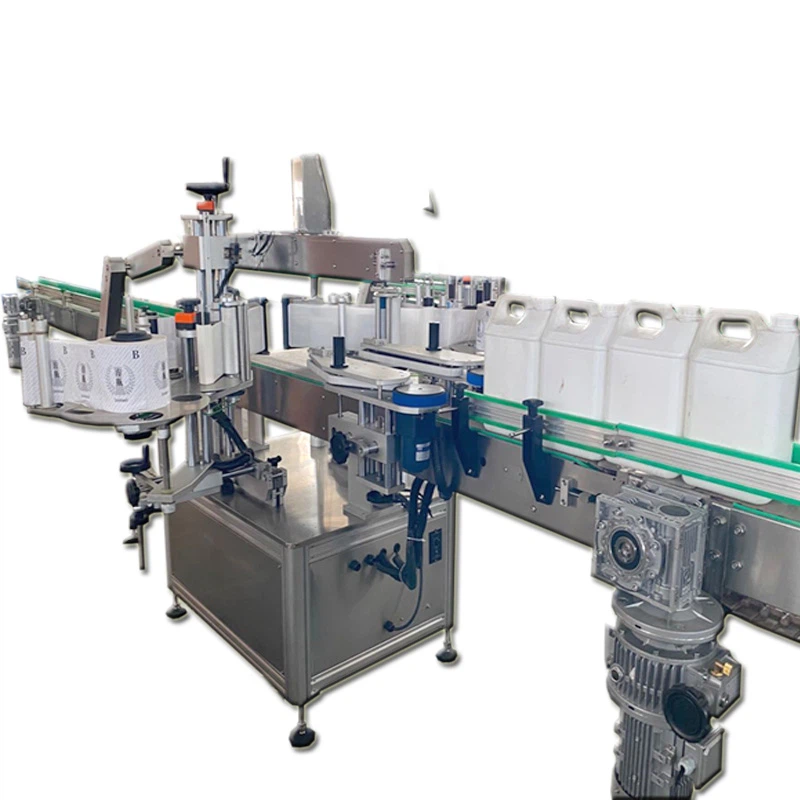
Now, if you're in the market for a high - quality labeling machine, we've got some great options for you. Check out our Single - sided Self - adhesive Labeling Machine and Double - sided Self - adhesive Labeling Machine.
If you're interested in a smart water treatment system for your home, business, or industrial facility, don't hesitate to reach out. We're here to discuss your specific needs and find the perfect solution for you. Let's start a conversation and see how we can improve your water treatment process!
References
- Water Treatment Handbook, various authors
- Journal of Water Treatment Technology, multiple issues
- Online resources on smart water management technologies