

Is a membrane filtration water treatment system suitable for large - scale use?
Hey there! I'm a supplier of water treatment systems, and I've been getting a lot of questions lately about whether membrane filtration water treatment systems are a good fit for large - scale applications. So, I thought I'd sit down and share my thoughts on this topic.
First off, let's talk about what membrane filtration is. In simple terms, it's a process that uses a semi - permeable membrane to separate contaminants from water. The membrane acts like a really fine sieve, allowing water molecules to pass through while blocking larger particles, such as sediment, bacteria, and even some dissolved solids. There are different types of membrane filtration, including microfiltration, ultrafiltration, nanofiltration, and reverse osmosis, each with its own level of filtration precision.
One of the biggest advantages of membrane filtration for large - scale use is its efficiency. These systems can handle a massive volume of water. For example, in a large industrial plant or a municipal water treatment facility, where thousands or even millions of gallons of water need to be treated daily, membrane filtration can keep up with the demand. It can remove a wide range of contaminants in one go, which means you don't have to set up multiple, complex treatment steps. This streamlines the entire water treatment process and saves a lot of time and energy.
Another great thing is the quality of the treated water. Membrane filtration can produce water that meets very high standards. Whether it's for drinking water, industrial processes that require pure water, or for environmental discharge, the treated water from a well - designed membrane filtration system is often of excellent quality. This is crucial for large - scale operations where water quality can directly impact product quality or environmental compliance.
However, it's not all sunshine and rainbows. There are some challenges when it comes to using membrane filtration on a large scale. One of the main issues is the cost. The initial investment for a large - scale membrane filtration system can be quite high. You need to purchase the membranes themselves, which can be expensive, especially if you're going for high - end, long - lasting ones. Then there are the costs associated with installation, which may involve a lot of plumbing, pumps, and control systems.
Maintenance is also a big deal. Membranes can get clogged over time with the contaminants they're filtering out. This is called fouling. When this happens, the system's performance drops, and you need to clean or replace the membranes. Cleaning can be a complex process that involves using special chemicals, and replacing membranes adds to the ongoing costs. And if you don't maintain the system properly, it can lead to a decrease in water quality and an overall reduction in the system's lifespan.
Another challenge is the energy consumption. Running a large - scale membrane filtration system requires a significant amount of energy. The pumps need to generate enough pressure to force the water through the membranes, and this can result in high electricity bills. In today's world, where energy efficiency is a major concern, this is something that needs to be carefully considered.

Now, let's talk about some real - world applications. In the food and beverage industry, large - scale membrane filtration is used to purify water for production processes. For example, in a brewery, membrane filtration can remove impurities from the water used to make beer, ensuring a consistent and high - quality product. In the pharmaceutical industry, where water purity is of utmost importance, membrane filtration systems are used to produce water that meets strict regulatory standards.
In the municipal water treatment sector, membrane filtration is becoming more and more popular. Many cities are turning to this technology to provide clean drinking water to their residents. It can help remove harmful pathogens and contaminants that may be present in the raw water source.
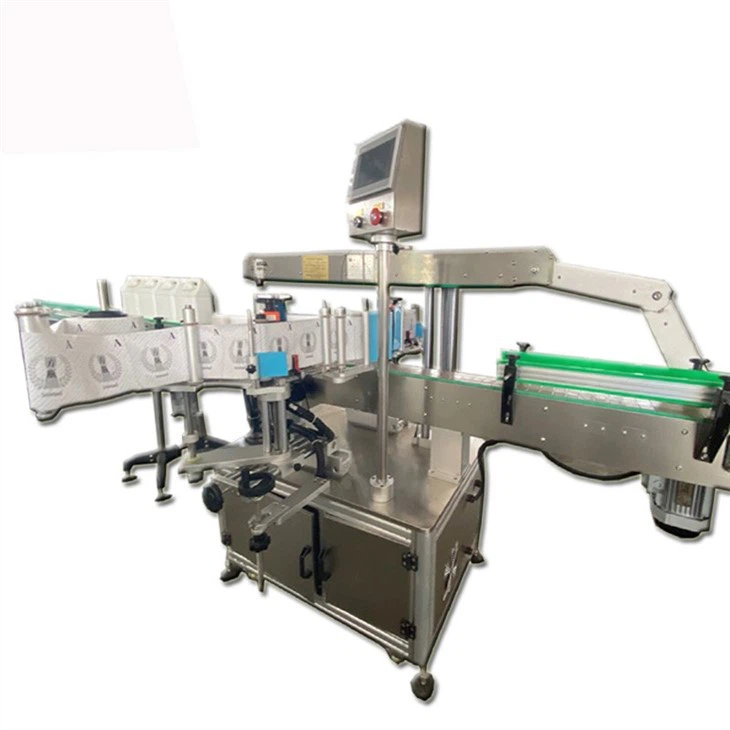
If you're in the market for a labeling machine for your products, check out our Single - sided Self - adhesive Labeling Machine and Double - sided Self - adhesive Labeling Machine. These machines can be a great addition to your production line, especially if you're dealing with large - scale product manufacturing.
So, is a membrane filtration water treatment system suitable for large - scale use? The answer is, it depends. If you have the budget, the need for high - quality water, and the willingness to invest in proper maintenance, then it can be a great option. It offers many benefits in terms of efficiency and water quality. But if cost is a major concern and you're not prepared to deal with the maintenance and energy requirements, then you may need to look at other water treatment options.
If you're considering a large - scale water treatment project and want to learn more about membrane filtration systems, I'd love to have a chat. I've got a lot of experience in this field and can help you figure out if it's the right choice for your specific needs. Just reach out, and we can start a conversation about how we can make your water treatment goals a reality.
References
- Water Treatment Principles and Design, Third Edition by David W. Hendricks, George Tchobanoglous, and Franklin L. Burton
- Membrane Technology and Applications by Richard W. Baker