

What is the temperature range in which a sleeve labeling machine can operate normally?
As a leading supplier of sleeve labeling machines, we often receive inquiries from customers about the optimal temperature conditions for the normal operation of our equipment. Understanding the temperature range is crucial because it directly impacts the performance, lifespan, and labeling quality of the sleeve labeling machine.
The Ideal Temperature Range
In general, most sleeve labeling machines are designed to operate within a temperature range of 10°C to 40°C (50°F to 104°F). This range is carefully determined based on the materials used in the construction of the machine and the requirements of the labeling process.
Within this temperature range, the mechanical components of the sleeve labeling machine function smoothly. The motors, belts, and gears are not subject to excessive stress or wear. For example, the lubricants used in the moving parts maintain their proper viscosity, ensuring efficient operation and reducing the risk of mechanical failures.
The labeling materials, such as shrink sleeves, also perform optimally within this temperature range. Shrink sleeves are typically made of plastic materials like PVC, PET, or OPS. These materials have specific shrinkage characteristics that are affected by temperature. At temperatures below 10°C, the shrink sleeves may become too rigid, making it difficult to apply them accurately to the products. On the other hand, at temperatures above 40°C, the shrink sleeves may start to shrink prematurely or become distorted, resulting in poor labeling quality.
Effects of Temperature Outside the Ideal Range
Low Temperatures
When the operating temperature drops below 10°C, several issues can arise. The electrical components of the sleeve labeling machine may experience increased resistance, leading to reduced efficiency and potential malfunctions. The belts and chains may become brittle and more prone to breakage. The glue used in some labeling processes may also thicken, making it difficult to apply evenly and causing the labels to adhere poorly.
Moreover, the shrinkage process of the sleeves becomes less predictable at low temperatures. The sleeves may not shrink uniformly, leaving gaps or wrinkles on the products. This can significantly affect the appearance of the labeled products and may even render them unsellable.
High Temperatures
Operating the sleeve labeling machine at temperatures above 40°C can also cause problems. The heat can cause the electronic components to overheat, leading to system failures and reduced lifespan. The lubricants in the mechanical parts may break down, increasing friction and wear. This can result in noisy operation, decreased accuracy, and more frequent maintenance requirements.
The shrink sleeves may shrink too quickly and unevenly at high temperatures. This can cause the sleeves to tear or become misshapen, making it impossible to achieve a professional-looking label. Additionally, the heat can cause the labels to fade or discolor over time, affecting the brand image.
Temperature Control and Monitoring
To ensure the normal operation of the sleeve labeling machine, it is essential to control and monitor the temperature of the operating environment. In industrial settings, air conditioning or heating systems can be used to maintain the temperature within the ideal range. Regular temperature checks should be conducted to detect any deviations and take appropriate measures.
Our company offers sleeve labeling machines with advanced temperature control features. For example, some of our Double Head Sleeve Labeling Machine models are equipped with temperature sensors that can automatically adjust the machine's operation based on the ambient temperature. This helps to ensure consistent labeling quality and reduce the risk of equipment damage.
Special Considerations for Different Types of Sleeve Labeling Machines
We offer a wide range of sleeve labeling machines to meet the diverse needs of our customers. Each type of machine may have slightly different temperature requirements based on its design and application.

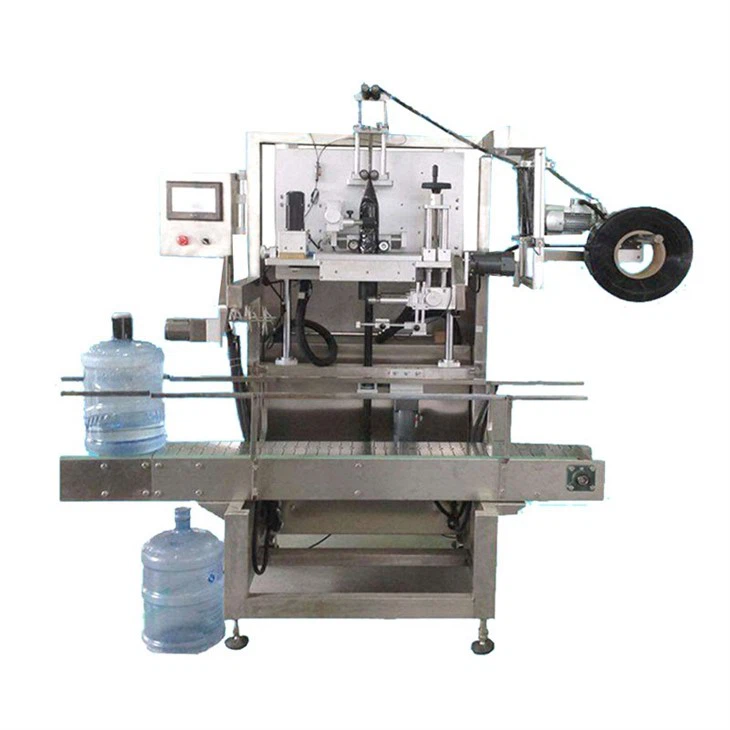
Double Head Sleeve Labeling Machine
The Double Head Sleeve Labeling Machine is designed for high-speed labeling applications. It has two labeling heads that can apply labels simultaneously, increasing the production efficiency. Due to its high-speed operation, this machine generates more heat, and it is important to ensure proper ventilation and temperature control. The ideal temperature range for this machine is still within 10°C to 40°C, but closer attention should be paid to the heat dissipation to prevent overheating.
Fully Automatic Sleeve Labeling Machine
The Fully Automatic Sleeve Labeling Machine is a highly integrated and automated system. It can perform tasks such as sleeve feeding, cutting, and shrinking without manual intervention. This machine is often used in large-scale production lines, where consistent labeling quality is crucial. The temperature control for this machine is critical to ensure the stability of the automated processes. Any significant deviation from the ideal temperature range can cause the machine to malfunction or produce defective labels.
Large Bucket Water Sleeve Labeling Machine
The Large Bucket Water Sleeve Labeling Machine is specifically designed for labeling large containers of water. The size and shape of the buckets present unique challenges for the labeling process. The temperature can affect the shrinkage of the sleeves around the curved surface of the buckets. Therefore, maintaining the temperature within the ideal range is essential to ensure that the sleeves fit snugly and evenly on the buckets.
Conclusion
In conclusion, the temperature range of 10°C to 40°C (50°F to 104°F) is generally considered the optimal operating temperature for sleeve labeling machines. Operating outside this range can lead to various problems, including mechanical failures, poor labeling quality, and reduced equipment lifespan. As a supplier of sleeve labeling machines, we are committed to providing our customers with high-quality equipment and comprehensive technical support. We recommend that our customers carefully control and monitor the temperature of the operating environment to ensure the normal operation of the machines and achieve the best labeling results.
If you are interested in our sleeve labeling machines or have any questions about their operation and temperature requirements, please feel free to contact us for more information and to discuss your specific needs. We look forward to the opportunity to work with you and help you achieve your labeling goals.
References
- "Handbook of Packaging Technology" by Wilmer A. Jenkins and James P. Harrington
- "Labeling Technology: Principles and Practice" by John W. Labbe