

As a supplier of laser coding machines, I often encounter inquiries about the radiation level of these devices. In this blog post, I'll delve into what the radiation level of a laser coding machine is, how it's measured, and its implications for users.
Understanding Laser Radiation
Before discussing the radiation level of a laser coding machine, it's essential to understand what laser radiation is. Laser stands for "Light Amplification by Stimulated Emission of Radiation." A laser coding machine uses a focused beam of light to mark or engrave various materials such as plastics, metals, glass, and paper. This focused light beam is a form of electromagnetic radiation.
Laser radiation can be classified into different types based on its wavelength. The most common types used in laser coding machines are infrared (IR), visible, and ultraviolet (UV) lasers. Each type has different characteristics and potential effects on human health and the environment.
Measuring Laser Radiation Levels
The radiation level of a laser coding machine is typically measured in terms of power output and exposure limits. Power output is usually measured in watts (W) or milliwatts (mW). The higher the power output, the more intense the laser beam and potentially the higher the radiation level.
Exposure limits are established by international standards and regulations to ensure the safety of users. These limits specify the maximum amount of laser radiation that a person can be exposed to without causing harm. For example, the International Electrotechnical Commission (IEC) and the American National Standards Institute (ANSI) have set standards for laser safety, including exposure limits for different classes of lasers.
Laser Classes and Radiation Levels
Lasers are classified into different classes based on their potential to cause harm. The classification system helps users understand the risks associated with using a particular laser and take appropriate safety measures. The main classes of lasers used in laser coding machines are:
- Class 1: These lasers are considered safe under normal operating conditions. They emit very low levels of radiation, and the risk of exposure to harmful levels of radiation is negligible. Class 1 lasers are often used in consumer products such as barcode scanners and laser pointers.
- Class 2: Class 2 lasers emit visible light and are generally safe to view directly for short periods. However, prolonged direct viewing can cause eye damage. These lasers are commonly used in laser printers and some laser coding machines.
- Class 3R: Class 3R lasers have a slightly higher power output than Class 2 lasers and pose a low risk of eye damage. They should not be viewed directly, and appropriate safety measures should be taken when using them.
- Class 3B: Class 3B lasers can cause immediate eye damage if viewed directly. They require more stringent safety precautions, such as the use of protective eyewear and enclosures.
- Class 4: Class 4 lasers are the most powerful and pose a significant risk of eye and skin damage. They can also cause fires and explosions if not used properly. Class 4 lasers require strict safety controls and are typically used in industrial applications such as laser cutting and welding.
Most laser coding machines fall into Class 1, Class 2, or Class 3R categories, depending on their power output and design. As a supplier, we ensure that all our laser coding machines comply with the relevant safety standards and regulations to minimize the risk of radiation exposure.
Safety Measures for Laser Coding Machines
To ensure the safety of users, it's important to follow proper safety procedures when using a laser coding machine. Here are some key safety measures:

- Training: Ensure that all operators are properly trained on the safe use of the laser coding machine. This includes understanding the laser class, potential hazards, and safety procedures.
- Protective Eyewear: Provide appropriate protective eyewear for operators based on the laser class. Protective eyewear should be worn at all times when the laser is in operation.
- Enclosures: Use enclosures or barriers to prevent unauthorized access to the laser beam. Enclosures should be designed to contain the laser radiation and prevent it from escaping.
- Interlocks: Install interlocks on the laser coding machine to automatically shut off the laser when the enclosure is opened or other safety conditions are not met.
- Maintenance: Regularly maintain the laser coding machine to ensure that it is operating safely and efficiently. This includes checking for any signs of damage or malfunction and replacing worn parts as needed.
Implications for Users
Understanding the radiation level of a laser coding machine is crucial for users. It helps them make informed decisions about the safety of using the machine and take appropriate precautions to protect themselves and others.
For businesses, compliance with safety standards and regulations is not only important for the well-being of employees but also for avoiding legal liabilities. Using a laser coding machine with a known and acceptable radiation level can help businesses ensure a safe working environment and meet regulatory requirements.
Related Products
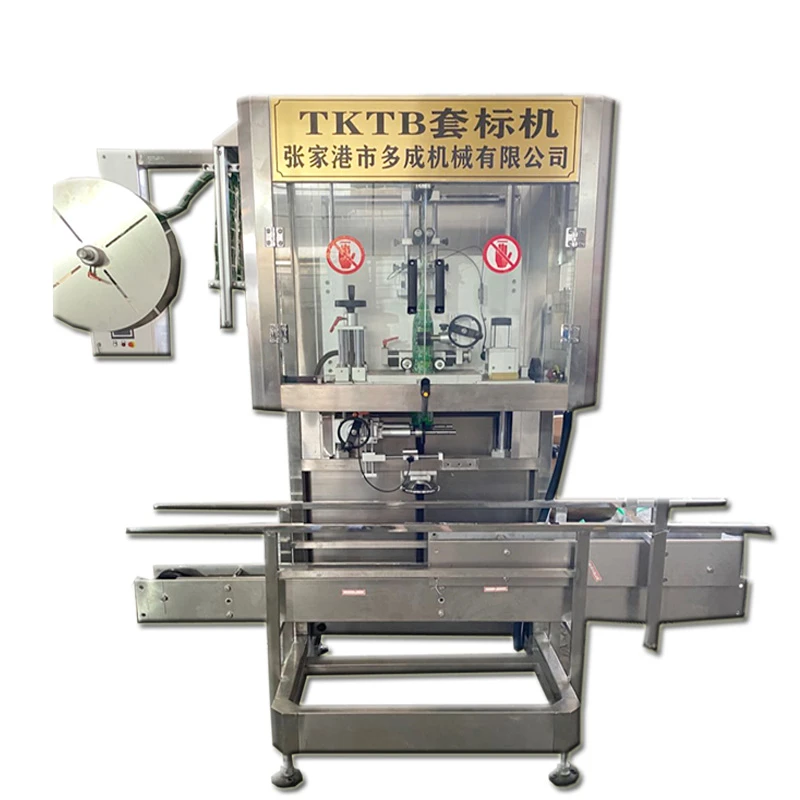
In addition to laser coding machines, we also offer a range of other labeling machines, including the Double Head Sleeve Labeling Machine, Fully Automatic Sleeve Labeling Machine, and Large Bucket Water Sleeve Labeling Machine. These machines are designed to provide high-quality labeling solutions for various industries.
Contact Us for Purchase and Negotiation
If you're interested in learning more about our laser coding machines or other labeling machines, we encourage you to contact us for purchase and negotiation. Our team of experts is ready to assist you in finding the right solution for your specific needs. Whether you have questions about radiation levels, safety features, or pricing, we're here to help.
References
- International Electrotechnical Commission (IEC). Laser safety standards.
- American National Standards Institute (ANSI). Laser safety standards.
- Laser Institute of America (LIA). Laser safety guidelines and resources.