

Hey there! As a supplier of ink coding machines, I often get asked about the power consumption of these nifty devices. So, I thought I'd sit down and write this blog to give you all the lowdown on what you can expect when it comes to how much juice an ink coding machine guzzles.
First off, let's understand what an ink coding machine does. In simple terms, it's a piece of equipment that uses ink to print information like dates, batch numbers, barcodes, and other important details on various products or packaging materials. It's super useful in industries such as food and beverage, pharmaceuticals, and consumer goods, where accurate and clear coding is a must.
Now, onto the main question - what's the power consumption of an ink coding machine? Well, it's not a one - size - fits - all answer. There are several factors that can influence how much power an ink coding machine uses.
Factors Affecting Power Consumption
1. Machine Type
There are different types of ink coding machines out there, like continuous inkjet (CIJ) printers, drop - on - demand (DOD) printers, and thermal inkjet (TIJ) printers. Each type has its own power requirements.
CIJ printers are the workhorses of the coding world. They work by continuously pumping ink through a nozzle, and they need to maintain a certain pressure and temperature for the ink to flow properly. This means they typically have higher power consumption compared to other types. On average, a CIJ printer can consume anywhere from 300 to 600 watts per hour. That's because they have pumps, heaters, and other components that are constantly running to keep the ink in the right state.
DOD printers, on the other hand, only eject ink droplets when needed. They don't have the same continuous flow and pressure requirements as CIJ printers. So, their power consumption is generally lower. A typical DOD printer might use around 100 to 200 watts per hour. This makes them a more energy - efficient option if you're looking to cut down on your electricity bills.
TIJ printers use heat to create bubbles in the ink, which then push the ink onto the printing surface. They are relatively compact and have a lower power draw compared to CIJ printers. Usually, a TIJ printer consumes about 50 to 150 watts per hour.
2. Printing Speed
The speed at which the ink coding machine prints also has a big impact on power consumption. If you're running the machine at a high speed, it needs to work harder to keep up. For example, if you set a CIJ printer to print at its maximum speed, it will use more power than if it's printing at a slower pace. This is because the pumps and other components have to operate more vigorously to ensure that the ink is ejected accurately and quickly.
Let's say you have a CIJ printer that usually consumes 400 watts per hour at a moderate printing speed. If you crank up the speed, it could consume up to 500 or 600 watts per hour. So, if you're not in a hurry to get your coding done, running the machine at a lower speed can save you some energy.
3. Print Resolution
Higher print resolution means more detail in the printed code. To achieve this, the ink coding machine has to work harder, using more power. If you're printing simple text or basic barcodes, you can get away with a lower print resolution, which will reduce power consumption.
For instance, a DOD printer set to a low - resolution print might use 100 watts per hour. But if you switch it to a high - resolution mode for printing detailed graphics or high - density barcodes, the power consumption could jump to 150 or 200 watts per hour.
Comparing Power Consumption with Other Machines
It's always good to put things in perspective. When we compare the power consumption of ink coding machines with other equipment in a manufacturing or packaging line, we can see how they stack up.
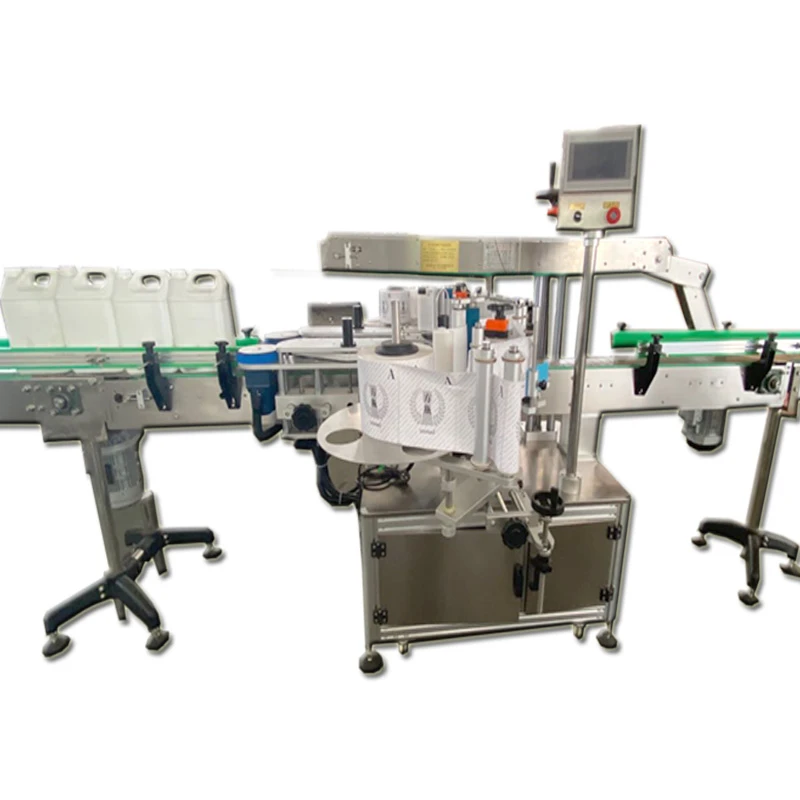
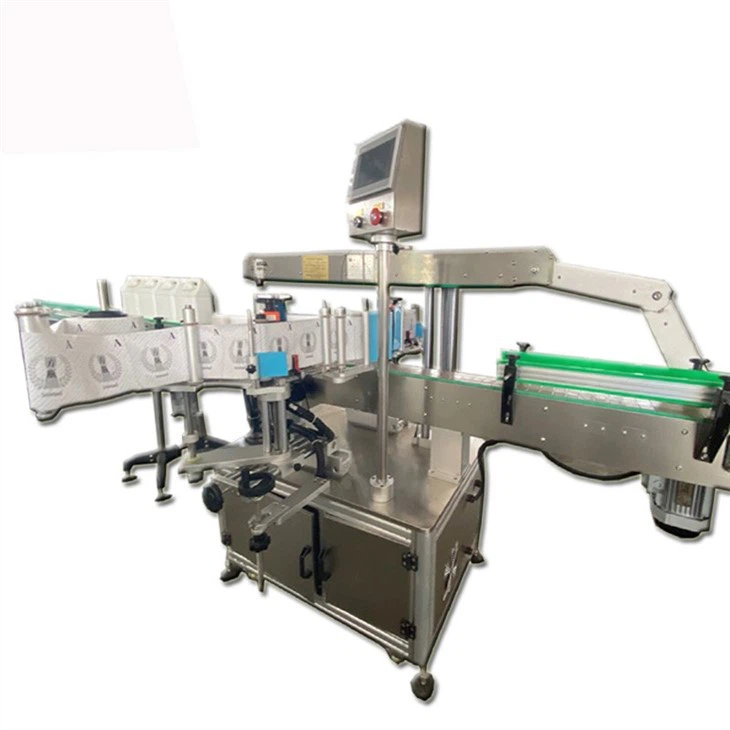
For example, let's look at Double - sided Self - adhesive Labeling Machine and Single - sided Self - adhesive Labeling Machine. These labeling machines also play an important role in the packaging process.
A double - sided self - adhesive labeling machine can consume around 500 to 800 watts per hour, depending on its size and the speed at which it operates. This is generally higher than the power consumption of a DOD or TIJ ink coding machine. A single - sided self - adhesive labeling machine usually uses less power, around 300 to 500 watts per hour.
So, if you're trying to optimize the energy usage of your entire packaging line, it's important to consider the power consumption of each individual machine.
Tips to Reduce Power Consumption
As a supplier, I always want to help my customers save on energy costs. Here are some tips to reduce the power consumption of your ink coding machine:
- Choose the Right Machine: Select an ink coding machine that suits your specific needs. If you don't need high - speed, high - resolution printing all the time, a DOD or TIJ printer might be a better choice than a CIJ printer.
- Adjust Printing Settings: Don't use a higher print speed or resolution than necessary. You can often achieve good results with lower settings, which will save power.
- Regular Maintenance: Keep your ink coding machine well - maintained. A clean and properly calibrated machine will operate more efficiently and use less power. For example, make sure the nozzles are clean, and the ink system is free of blockages.
Conclusion
So, there you have it - a breakdown of what affects the power consumption of an ink coding machine. As you can see, there are many factors at play, and the power usage can vary widely depending on the type of machine, printing speed, and print resolution.
If you're in the market for an ink coding machine and want to know more about power consumption or any other aspect of these machines, don't hesitate to reach out. We're here to help you make the best choice for your business, whether it's about energy efficiency, performance, or cost - effectiveness. Let's start a conversation and see how we can meet your coding needs.
References
- "Inkjet Printing Technology" - A technical guide on inkjet printer operation and power requirements.
- Industry reports on packaging machinery power consumption trends.