

Hey there! As a supplier of sleeve labeling machines, I often get asked about the humidity tolerance of these machines. It's a crucial factor that can significantly impact the performance and longevity of the equipment, as well as the quality of the labeling process. So, let's dive into what humidity tolerance means for a sleeve labeling machine and why it matters.
Understanding Humidity and Its Effects on Sleeve Labeling Machines
First off, humidity refers to the amount of water vapor present in the air. High humidity levels can lead to moisture buildup on surfaces, while low humidity can cause dryness and static electricity. Both scenarios can pose challenges for sleeve labeling machines.
In high - humidity environments, moisture can cause the labels to stick together before they are applied to the products. This can lead to jams in the labeling mechanism, misaligned labels, and overall inefficiency in the labeling process. Additionally, excessive moisture can corrode the metal parts of the machine over time, reducing its lifespan.
On the other hand, low - humidity conditions can generate static electricity. Static can attract dust and debris to the labels and the machine components, which may interfere with the accurate placement of labels. It can also cause the labels to curl or stick to the wrong parts of the machine, resulting in labeling errors.
What's the Ideal Humidity Range for Sleeve Labeling Machines?
The ideal humidity range for most sleeve labeling machines is between 40% and 60% relative humidity (RH). This range provides a balance that minimizes the risks associated with both high and low humidity.
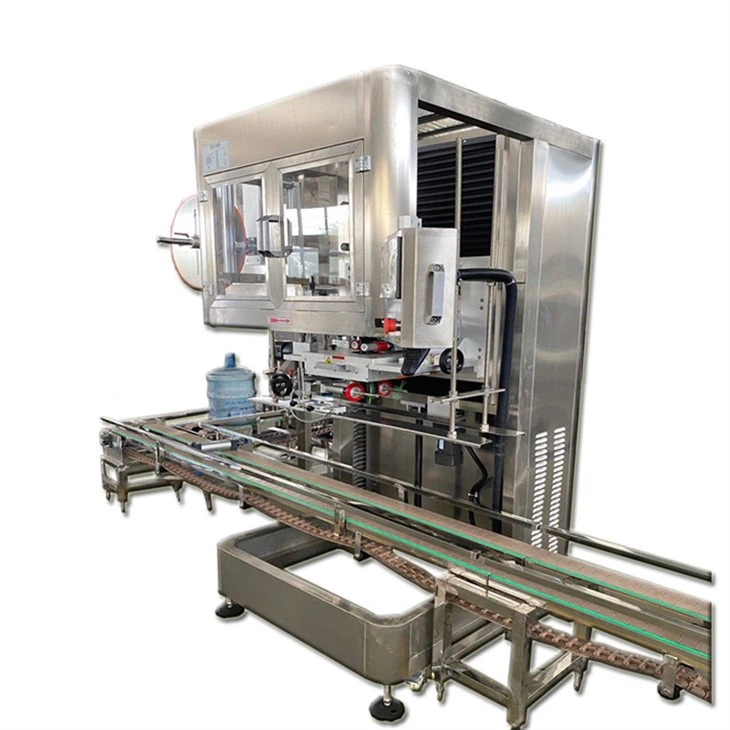

When the humidity is within this range, the labels remain in good condition, with no excessive sticking or curling. The machine's mechanical parts are less likely to corrode, and the electrical components are less prone to static - related issues. This means smoother operation, fewer breakdowns, and higher - quality labeling results.
However, it's important to note that different types of sleeve labeling machines may have slightly different humidity tolerances. For example, some advanced Fully Automatic Sleeve Labeling Machine models are designed with better moisture - resistant materials and anti - static features, which may allow them to operate effectively in a slightly wider humidity range.
How to Control Humidity in the Labeling Environment
Maintaining the right humidity level in the area where the sleeve labeling machine is located is essential. Here are some practical ways to achieve this:
- Use a Humidifier or Dehumidifier: A humidifier can add moisture to the air when the humidity is too low, while a dehumidifier can remove excess moisture when the humidity is high. You can set the device to maintain the desired humidity level automatically.
- Proper Ventilation: Good ventilation helps to circulate the air and prevent the buildup of moisture in the room. Make sure the labeling area has adequate air vents and that the air is flowing freely.
- Seal the Environment: If possible, seal the labeling area to prevent outside air with extreme humidity levels from entering. This can be especially useful in areas with large fluctuations in humidity throughout the day.
Humidity Tolerance in Different Types of Sleeve Labeling Machines
Let's take a closer look at how humidity tolerance varies among different types of sleeve labeling machines.
Large Bucket Water Sleeve Labeling Machine
These machines are often used in industrial settings where large - volume labeling is required. They typically have a robust design to handle the continuous operation. However, due to the large size of the labels and the buckets, they can be more sensitive to humidity. High humidity can cause the labels to sag or wrinkle during the application process, while low humidity can lead to static - induced label misalignment. It's crucial to keep the humidity within the recommended range to ensure accurate and consistent labeling.
Double Head Sleeve Labeling Machine
Double - head sleeve labeling machines offer higher labeling speeds and efficiency. They have two labeling heads that work simultaneously. In high - humidity conditions, the additional components may be more prone to corrosion and moisture - related malfunctions. The labels may also stick to the labeling heads, causing jams. Low - humidity static can disrupt the synchronization of the two heads, leading to uneven labeling. Therefore, maintaining the proper humidity is even more critical for these machines.
Monitoring and Adjusting Humidity for Optimal Performance
To ensure that your sleeve labeling machine is operating within its humidity tolerance, it's a good idea to regularly monitor the humidity level in the labeling area. You can use a simple hygrometer, which is a device that measures relative humidity.
If you notice that the humidity is outside the ideal range, take immediate action to adjust it. For example, if the humidity is too high, turn on the dehumidifier and check for any sources of moisture in the room, such as leaky pipes or open windows. If the humidity is too low, use a humidifier and consider adding some moisture - retaining materials in the area.
Conclusion
In conclusion, understanding the humidity tolerance of a sleeve labeling machine is essential for ensuring its optimal performance and longevity. By maintaining the humidity within the recommended range of 40% - 60% RH and taking appropriate measures to control it, you can avoid many common problems associated with humidity, such as label jams, misalignment, and machine corrosion.
If you're in the market for a sleeve labeling machine or need more information about humidity control for your existing machine, don't hesitate to reach out to us. We're here to help you find the best solution for your labeling needs and ensure that your machine operates smoothly in any environment.
References
- General knowledge about industrial equipment and environmental factors affecting machinery performance.
- Manufacturer's guidelines for sleeve labeling machines.