

When operating a water treatment system, safety should always be the top priority. As a reliable water treatment system supplier, we understand the importance of ensuring the well - being of operators and the proper functioning of the equipment. In this blog, we will discuss the essential safety precautions that need to be taken during the operation of a water treatment system.
1. Pre - operation Checks
Before starting the water treatment system, a series of pre - operation checks must be carried out. First, visually inspect all the components of the system, including pipes, valves, pumps, and tanks. Look for any signs of damage, such as cracks, leaks, or loose connections. Any damaged parts should be repaired or replaced immediately to prevent potential safety hazards.
Check the electrical connections of the system. Ensure that all wires are properly insulated and that there are no exposed conductors. The electrical panels should be clean and free from dust and moisture. Faulty electrical connections can lead to short - circuits, electrical shocks, or even fires.
Verify the availability and proper functioning of safety devices. These may include pressure relief valves, emergency stop buttons, and alarm systems. Pressure relief valves are crucial for preventing over - pressurization in the system, which can cause pipes to burst. Emergency stop buttons should be easily accessible and in working condition so that the system can be shut down quickly in case of an emergency. Alarm systems should be tested to ensure that they can alert operators when abnormal conditions occur.
2. Personal Protective Equipment (PPE)
Operators of water treatment systems must wear appropriate personal protective equipment. Safety goggles are essential to protect the eyes from splashes of chemicals or water. Chemicals used in water treatment, such as chlorine and acids, can cause severe eye damage if they come into contact with the eyes.
Gloves are also necessary to protect the hands from chemical burns and cuts. Different types of gloves may be required depending on the chemicals being handled. For example, chemical - resistant gloves are needed when dealing with strong acids or bases.
A safety apron or coveralls should be worn to protect the body from spills and splashes. These can prevent skin contact with harmful chemicals, which may cause irritation, burns, or other skin problems.
In addition, operators should wear safety shoes to protect their feet from falling objects and chemical spills. The shoes should have non - slip soles to prevent slips and falls, which are common hazards in wet environments such as water treatment plants.
3. Chemical Handling
Water treatment systems often use a variety of chemicals to purify water. These chemicals can be hazardous if not handled properly. When storing chemicals, they should be kept in a well - ventilated area away from heat sources and incompatible substances. Chemicals should be stored in their original containers with clear labels indicating their contents and hazards.
When adding chemicals to the water treatment system, operators should follow the manufacturer's instructions carefully. The correct dosage of chemicals is crucial for effective water treatment and safety. Over - dosing can lead to the formation of harmful by - products, while under - dosing may result in inadequate water purification.
Operators should use appropriate equipment for chemical handling, such as chemical pumps and measuring devices. When transferring chemicals, they should ensure that there are no leaks in the transfer equipment. If a chemical spill occurs, it should be cleaned up immediately using the appropriate spill - control materials.
4. System Operation
During the operation of the water treatment system, operators should monitor the system parameters regularly. This includes monitoring the pressure, flow rate, and temperature of the water. Abnormal changes in these parameters may indicate a problem with the system, such as a blockage in the pipes or a malfunctioning pump.
Operators should also pay attention to the noise level of the system. Unusual noises may be a sign of mechanical problems, such as a loose belt or a worn - out bearing. If any abnormal conditions are detected, the system should be shut down immediately, and a qualified technician should be called to inspect and repair the system.
When operating valves and other control devices, operators should use the correct procedures. Valves should be opened and closed slowly to prevent sudden pressure changes, which can damage the pipes and equipment.
5. Maintenance and Cleaning
Regular maintenance and cleaning of the water treatment system are essential for its safe and efficient operation. Maintenance tasks should be carried out according to the manufacturer's recommended schedule. This may include lubricating moving parts, replacing filters, and inspecting electrical components.
When cleaning the system, operators should use appropriate cleaning agents and follow the correct cleaning procedures. Cleaning agents should be compatible with the materials of the system components to avoid damage. After cleaning, the system should be thoroughly rinsed to remove any residual cleaning agents.

6. Training and Education
All operators of water treatment systems should receive proper training and education. Training should cover the operation of the system, safety procedures, chemical handling, and emergency response. Operators should be familiar with the system's manual and understand how to use all the safety devices.
Regular refresher courses should be provided to keep operators updated on the latest safety regulations and best practices. In addition, new employees should receive comprehensive training before they start operating the water treatment system.
7. Emergency Preparedness
An emergency response plan should be in place for the water treatment system. The plan should include procedures for dealing with various emergencies, such as chemical spills, fires, and equipment failures. Operators should be trained on how to implement the emergency response plan.
Emergency equipment, such as fire extinguishers, spill - control kits, and first - aid kits, should be readily available and in good working condition. Regular drills should be conducted to ensure that operators can respond quickly and effectively in case of an emergency.
8. Additional Considerations
In addition to the above safety precautions, it is also important to consider the environmental impact of the water treatment system. The system should be designed and operated in a way that minimizes waste and pollution. For example, the proper disposal of chemical waste is crucial to prevent environmental contamination.
When upgrading or modifying the water treatment system, safety should be a key consideration. Any changes to the system should be carefully planned and implemented to ensure that they do not introduce new safety hazards.
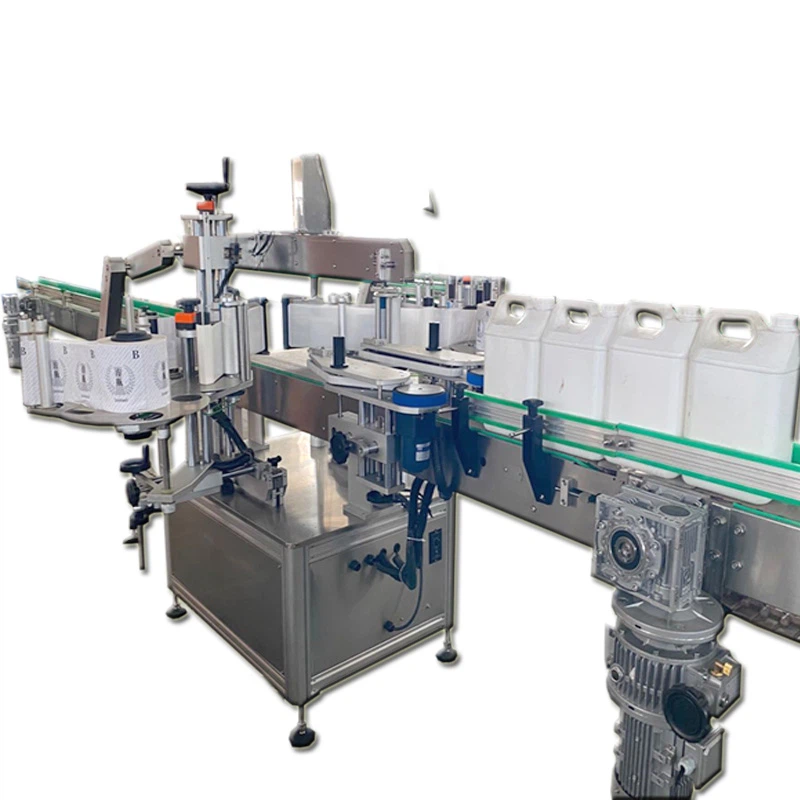
As a water treatment system supplier, we are committed to providing our customers with high - quality products and comprehensive safety guidance. We also offer related products such as the Single - sided Self - adhesive Labeling Machine and Double - sided Self - adhesive Labeling Machine which can be used for labeling water treatment system components for better identification and management.
If you are interested in purchasing our water treatment systems or have any questions about safety precautions, please feel free to contact us for further discussions. We are here to help you ensure the safe and efficient operation of your water treatment system.
References
- "Water Treatment Plant Operator Training Manual", Water Environment Federation
- "Safety Guidelines for Chemical Handling in Water Treatment", American Water Works Association
- "Electrical Safety in Industrial Water Treatment Systems", National Fire Protection Association