

Hey there! As a supplier of beverage dispensing systems, I'm super stoked to break down how a foam - control beverage dispensing system works. It's a topic that's not only fascinating but also crucial for anyone in the beverage business. So, let's dive right in!
The Basics of Foam in Beverage Dispensing
Before we get into how the foam - control system works, we need to understand why foam is an issue in the first place. When you're dispensing beverages, especially carbonated ones like soda, beer, or sparkling wine, foam can form due to a few reasons. The most common one is the release of carbon dioxide gas. When the pressure inside the beverage container drops during dispensing, the CO₂ that was dissolved in the liquid starts to come out of solution in the form of bubbles, creating foam.
Another factor is agitation. If the beverage is shaken or disturbed during the dispensing process, it can cause the CO₂ to come out of solution more rapidly, leading to excessive foam. And let's not forget about temperature. Warmer beverages tend to release CO₂ more quickly than colder ones, which can also result in more foam.

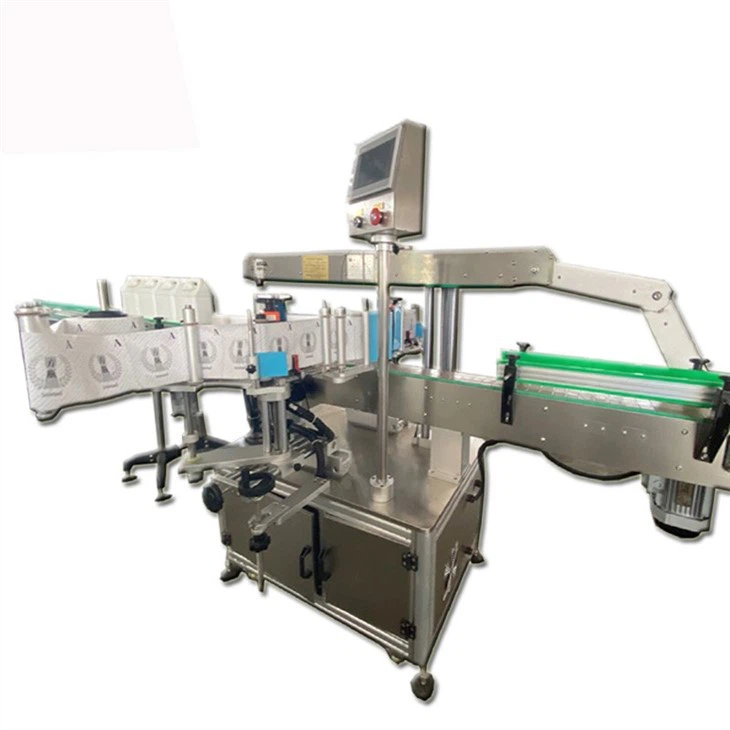
Components of a Foam - Control Beverage Dispensing System
A foam - control beverage dispensing system is made up of several key components, each playing a vital role in keeping the foam in check.
1. Pressure Regulator
The pressure regulator is like the traffic cop of the system. It controls the pressure at which the beverage is dispensed. By maintaining a consistent pressure, it helps to ensure that the CO₂ is released in a controlled manner. If the pressure is too high, the CO₂ will come out of solution too quickly, creating a lot of foam. On the other hand, if the pressure is too low, the beverage may not dispense properly.
2. Cooling System
As I mentioned earlier, temperature plays a big role in foam formation. A good cooling system is essential for keeping the beverage at the right temperature. Most foam - control dispensing systems use refrigeration units to keep the beverage cold. Cold beverages hold CO₂ better, which means less foam. The cooling system is designed to maintain a specific temperature range, usually between 32°F and 38°F (0°C and 3°C) for carbonated beverages.
3. Dispensing Nozzle
The dispensing nozzle is where the rubber meets the road, so to speak. It's the final point in the dispensing process, and it's designed to minimize agitation and control the flow of the beverage. Many modern dispensing nozzles are designed with special features, such as internal baffles or aeration control mechanisms. These features help to break up large bubbles and ensure a smooth, controlled flow of the beverage into the glass.
4. Tubing and Fittings
The tubing and fittings that connect all the components of the dispensing system are also important for foam control. They need to be properly sized and installed to ensure a smooth flow of the beverage. If the tubing is too narrow or has kinks, it can cause agitation and increase foam formation. Additionally, the fittings need to be tight and leak - free to maintain the proper pressure.
How the System Works Together
Now that we know the components, let's see how they work together to control foam.
When you start the dispensing process, the pressure regulator kicks in. It ensures that the pressure in the beverage container is at the optimal level for dispensing. This pressure is carefully calibrated to allow the CO₂ to be released slowly and steadily.
At the same time, the cooling system is working hard to keep the beverage cold. The refrigeration unit circulates cold air or coolant around the beverage container, maintaining the ideal temperature. This cold temperature helps to keep the CO₂ dissolved in the liquid, reducing the amount of foam that forms.
As the beverage travels through the tubing and fittings, it reaches the dispensing nozzle. The nozzle's special design helps to control the flow and minimize agitation. It breaks up any large bubbles that may have formed and ensures that the beverage is dispensed in a smooth, controlled stream.
Importance of Foam Control in the Beverage Industry
Foam control is not just about aesthetics; it's also crucial for the bottom line in the beverage industry. Excessive foam means less product in the glass, which can lead to customer dissatisfaction and lost revenue. When customers order a beverage, they expect a full glass of liquid, not a glass half - filled with foam.
In addition, foam can also affect the taste and quality of the beverage. Too much foam can cause the beverage to lose its carbonation quickly, making it flat and less enjoyable. By using a foam - control beverage dispensing system, beverage suppliers can ensure that their products are dispensed correctly, providing a consistent and high - quality experience for their customers.
Additional Considerations and Related Products
When setting up a beverage dispensing system, there are a few other things to consider. For example, labeling your beverage containers is an important part of branding and marketing. If you're looking for a reliable labeling solution, we recommend checking out our Double - sided Self - adhesive Labeling Machine and Single - sided Self - adhesive Labeling Machine. These machines are designed to provide accurate and efficient labeling for your beverage products.
Contact Us for Your Foam - Control Needs
If you're in the market for a foam - control beverage dispensing system, or if you have any questions about how these systems work, we'd love to hear from you. Our team of experts is here to help you find the perfect solution for your business. Whether you're a small bar, a large restaurant, or a beverage distributor, we have the products and knowledge to meet your needs. Contact us today to start a conversation about how we can improve your beverage dispensing process.
References
- "The Science of Beer Foam" by Charlie Bamforth.
- "Carbonated Beverage Technology" by G. V. Rees.