

Operating a film wrapping machine involves various processes that require strict adherence to safety precautions to prevent accidents and ensure the well - being of operators. As a film wrapping machine supplier, I am well - versed in the potential hazards associated with these machines and the necessary safety measures.
1. Pre - operation Checks
Before starting the film wrapping machine, a series of pre - operation checks are essential. First, inspect the machine's physical condition. Check for any visible damage to the frame, belts, or electrical wires. A damaged frame may cause instability during operation, while frayed wires can pose an electrical hazard. Ensure that all the moving parts are properly lubricated. Lack of lubrication can lead to excessive friction, which not only shortens the lifespan of the parts but also increases the risk of overheating and mechanical failures.
Verify the tension of the film roll. An improper film tension can result in uneven wrapping or jams in the machine. If the film is too loose, it may not wrap tightly around the product; if it is too tight, it could break and cause the machine to malfunction. Additionally, confirm that the film is correctly loaded onto the machine. Incorrect loading can lead to misalignment and cause the machine to stop working or produce sub - standard packaging.
Check the settings of the machine according to the product to be wrapped. Different products may require different wrapping speeds, temperatures (if the machine uses heat - sealing), and film lengths. For example, a small, delicate item may need a slower wrapping speed and lower heat compared to a large, sturdy product. Incorrect settings can not only affect the quality of the packaging but also put additional stress on the machine, increasing the risk of breakdowns.
2. Personal Protective Equipment (PPE)
Operators must wear appropriate personal protective equipment. Safety glasses are a must to protect the eyes from any flying debris or film particles that may be generated during the wrapping process. For instance, when the film is cut, small pieces may break off and fly into the air.
Gloves should be worn to protect the hands from cuts and burns. The cutting blades of the film wrapping machine are extremely sharp and can cause serious injuries if accidentally touched. Moreover, if the machine uses heat - sealing technology, the heated parts can reach high temperatures, and gloves can prevent burns.
Ear protection is also necessary, especially for machines that generate a significant amount of noise during operation. Prolonged exposure to high - decibel noise can cause hearing loss. Some large - scale film wrapping machines can produce noise levels that exceed the safe limits, so earplugs or earmuffs should be worn to reduce the risk.
3. Machine Operation
During the operation of the film wrapping machine, operators should always stand in a safe position. They should avoid getting too close to the moving parts, such as the conveyor belts, rollers, and cutting blades. Standing too close increases the risk of getting caught in the machine.
Do not attempt to adjust the machine while it is in operation. Any adjustments, such as changing the film tension or speed settings, should be made when the machine is turned off. Adjusting the machine while it is running can be extremely dangerous as it may cause the operator's hands or clothing to get caught in the moving parts.
Keep the work area clean and free of clutter. A cluttered work area can increase the risk of tripping and falling, and it can also interfere with the operation of the machine. Tools, spare parts, and other items should be stored in designated areas. For example, if a tool is left on the conveyor belt, it can get caught in the machine and cause damage.
4. Emergency Stop Procedures
Every film wrapping machine should be equipped with an emergency stop button, and operators must be familiar with its location and how to use it. In case of an emergency, such as a jam, a sudden malfunction, or if an operator's clothing or body part gets caught in the machine, the emergency stop button should be pressed immediately.
Regularly test the emergency stop button to ensure that it is in working condition. A non - functioning emergency stop button can be a serious safety hazard as it may prevent the machine from being stopped quickly in an emergency situation.
5. Maintenance and Inspection
Regular maintenance and inspection of the film wrapping machine are crucial for safety. A maintenance schedule should be established and strictly followed. This includes cleaning the machine regularly to remove any film residues, dust, or debris that may accumulate over time. Accumulated debris can affect the performance of the machine and may also cause blockages in the moving parts.
Inspect the electrical components of the machine regularly. Check for any signs of overheating, loose connections, or short circuits. Electrical problems can not only damage the machine but also pose a fire hazard. For example, a loose wire can cause arcing, which can ignite nearby flammable materials.
Replace worn - out parts promptly. Parts such as belts, rollers, and cutting blades wear out over time due to continuous use. Using worn - out parts can lead to poor packaging quality and increase the risk of machine failures and accidents. For example, a worn - out cutting blade may not cut the film cleanly, causing it to tear unevenly and potentially jam the machine.
6. Training and Education
All operators should receive comprehensive training before operating the film wrapping machine. The training should cover the basic operation of the machine, safety procedures, and emergency response. New operators should be supervised by experienced colleagues until they are fully competent to operate the machine independently.

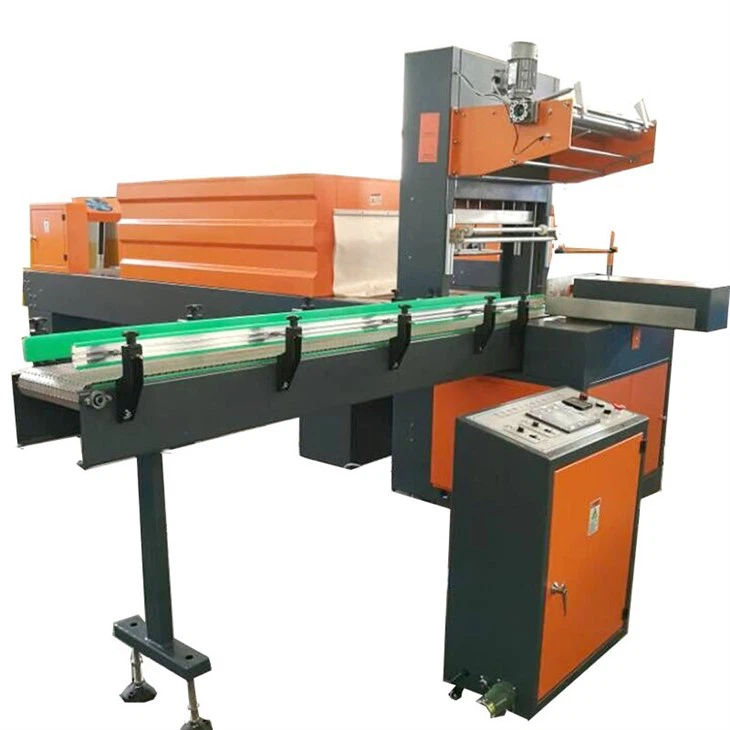
Regular refresher courses should be provided to keep operators updated on the latest safety practices and any changes in the machine's operation. As technology advances, the film wrapping machines may be upgraded with new features and functions, and operators need to be trained on these changes to ensure safe operation.
7. Types of Film Wrapping Machines and Their Specific Precautions
Different types of film wrapping machines may have specific safety precautions. For example, the L Type Plastic Film Packaging Machine often uses heat - sealing technology. Operators need to be especially careful around the heated parts to avoid burns. The temperature settings should be carefully monitored to prevent overheating, which can not only damage the machine but also pose a fire risk.
The Small Linear Film Charter Machine may have more compact components and a faster - moving conveyor belt. Operators should pay close attention to the moving parts to avoid getting their fingers or clothing caught. Also, since it is a smaller machine, it may be easier to overlook some safety features, so extra care should be taken during operation.
The One Piece Wrapping Machine may have a more complex wrapping mechanism. Operators need to understand how the machine wraps the product in one piece and ensure that the product is properly placed on the conveyor belt. Incorrect placement can cause the machine to malfunction and may also pose a safety risk if the product gets stuck in the machine.
Conclusion
Operating a film wrapping machine safely is of utmost importance. By following the safety precautions mentioned above, operators can minimize the risk of accidents and ensure the smooth and efficient operation of the machine. As a film wrapping machine supplier, we are committed to providing high - quality machines and also educating our customers on the proper safety measures.
If you are interested in purchasing a film wrapping machine or have any questions about safety precautions and machine operation, we are here to help. Contact us to start a procurement discussion and find the best film wrapping machine solution for your business.
References
- General safety guidelines for industrial machinery.
- Manufacturer's manuals for film wrapping machines.
- Industry - specific safety standards and regulations.