

Hey there! As a supplier of laser coding machines, I know how important it is to protect operators from the laser beams of these machines. Laser coding machines are super useful for marking all sorts of products, but the laser beams can be dangerous if not handled properly. So, let's talk about how we can keep our operators safe.
Understanding the Risks
First off, we need to understand what kind of risks the laser beams pose. Laser beams from coding machines can cause damage to the eyes and skin. Direct exposure to the laser can lead to burns, and long - term exposure can even cause permanent damage to the eyesight. Different types of lasers have different levels of power and wavelengths, and each has its own set of risks.
For example, some lasers operate in the infrared range, which means they're not visible to the naked eye. This makes it even more important to take precautions because operators might not even realize they're being exposed.
Engineering Controls
One of the best ways to protect operators is through engineering controls. This means designing the laser coding machine in a way that minimizes the risk of exposure.
- Enclosures: A well - designed enclosure can be a game - changer. It should be made of materials that can block the laser beam. The enclosure should completely surround the laser source and the area where the coding takes place. This way, even if something goes wrong, the laser beam is contained within the enclosure.
- Interlocks: Interlocks are devices that prevent the laser from operating when the enclosure is open. If an operator tries to open the enclosure while the laser is on, the interlock will shut off the laser immediately. This adds an extra layer of safety.
Administrative Controls
Administrative controls are all about setting up rules and procedures to ensure safe operation.
- Training: Operators should receive comprehensive training on how to use the laser coding machine safely. They need to know about the risks associated with the laser beam, how to operate the machine correctly, and what to do in case of an emergency. Training should be ongoing, as new safety procedures and technologies may be introduced over time.
- Operating Procedures: There should be clear operating procedures in place. For example, operators should be required to wear appropriate personal protective equipment (PPE) at all times when operating the machine. They should also be instructed to perform regular maintenance checks on the machine to ensure it's in good working condition.
Personal Protective Equipment (PPE)
Even with engineering and administrative controls in place, PPE is still an important part of the safety equation.
- Laser Safety Glasses: These glasses are specifically designed to block the wavelength of the laser used in the coding machine. Operators should wear them at all times when the laser is operating. Make sure the glasses are the right type for the specific laser being used, as different lasers require different types of glasses.
- Protective Clothing: Depending on the power of the laser, operators may need to wear protective clothing. This can include gloves and aprons made of materials that can resist the heat and energy of the laser beam.
Regular Maintenance
Regular maintenance of the laser coding machine is crucial for safety. A poorly maintained machine is more likely to malfunction, which can increase the risk of laser beam exposure.
- Inspections: Regular inspections should be carried out to check for any signs of wear and tear on the machine. This includes checking the enclosure, the interlocks, and the laser source itself.
- Calibration: The laser coding machine should be calibrated regularly to ensure that it's operating within the specified safety limits. If the laser is not calibrated correctly, it may produce a more powerful beam than intended, increasing the risk of exposure.
Emergency Response
Even with all the safety measures in place, emergencies can still happen. That's why it's important to have an emergency response plan.
- First Aid: Operators should know basic first - aid procedures for laser - related injuries. For example, if an operator's eye is exposed to the laser beam, they should immediately flush their eye with water and seek medical attention.
- Evacuation: In case of a major malfunction or a fire caused by the laser, there should be a clear evacuation plan. Operators should know where the emergency exits are and how to evacuate the area safely.
Additional Safety Considerations
When it comes to protecting operators from the laser beam of a laser coding machine, there are a few other things to keep in mind.
- Environmental Factors: The environment in which the laser coding machine is located can also affect safety. For example, if the area is dusty or humid, it can affect the performance of the machine and potentially increase the risk of exposure. The machine should be installed in a clean, dry environment.
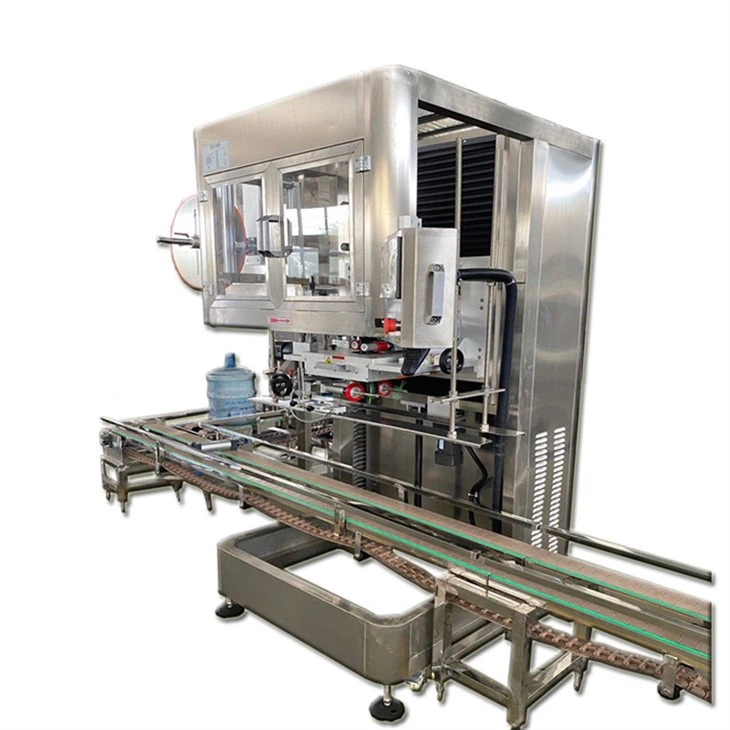
- Third - Party Equipment: Sometimes, the laser coding machine may be integrated with other equipment, such as Double Head Sleeve Labeling Machine, Fully Automatic Sleeve Labeling Machine, or Large Bucket Water Sleeve Labeling Machine. It's important to ensure that all the equipment is compatible and that there are no safety issues when they're used together.
Conclusion
Protecting operators from the laser beam of a laser coding machine is a multi - faceted task. It requires a combination of engineering controls, administrative controls, the use of personal protective equipment, regular maintenance, and a good emergency response plan.
As a supplier of laser coding machines, we're committed to providing our customers with the safest and most reliable products. If you're in the market for a laser coding machine and want to learn more about how we can protect your operators, feel free to reach out to us. We're here to help you make an informed decision and ensure the safety of your workforce.

References
- American National Standards Institute (ANSI). (Year). Laser safety standards.
- Occupational Safety and Health Administration (OSHA). (Year). Guidelines for laser safety in the workplace.