

In the realm of modern manufacturing, laser coding machines have emerged as indispensable tools for product identification and traceability. As a leading supplier of laser coding machines, we understand the critical importance of achieving optimal marking quality. In this blog post, we will delve into the key factors that influence the marking quality of a laser coding machine and provide practical tips on how to optimize it.
Understanding the Basics of Laser Coding
Before we explore the optimization strategies, let's briefly review the fundamental principles of laser coding. Laser coding machines use a high - energy laser beam to create permanent marks on various materials, including plastics, metals, glass, and paper. The laser beam interacts with the surface of the material, causing physical or chemical changes that result in a visible mark. There are different types of lasers used in coding machines, such as CO₂ lasers, fiber lasers, and UV lasers, each with its own characteristics and suitability for different materials.
Factors Affecting Marking Quality
1. Laser Parameters
- Power: The power of the laser is a crucial factor in determining the depth and clarity of the mark. Higher power settings generally result in deeper and more visible marks, but they can also cause damage to the material if not properly controlled. For example, when marking a thin plastic film, a high - power laser may burn through the material, while a low - power setting may produce a faint and illegible mark.
- Frequency: The frequency of the laser pulse affects the speed and quality of the marking process. A higher frequency can increase the marking speed, but it may also lead to a less precise mark. Lower frequencies are often used for more detailed and high - quality markings.
- Pulse Width: The pulse width determines the duration of each laser pulse. Shorter pulse widths are typically used for marking hard and brittle materials, as they minimize heat transfer and reduce the risk of cracking or chipping. Longer pulse widths are suitable for softer materials where more energy is needed to create a visible mark.
2. Material Properties
- Surface Finish: The surface finish of the material has a significant impact on the marking quality. A smooth surface generally allows for a more consistent and clear mark, while a rough or uneven surface can cause the laser beam to scatter, resulting in a distorted or incomplete mark. For instance, marking on a sand - blasted metal surface may require different laser settings compared to a polished metal surface.
- Material Composition: Different materials have different absorption characteristics for laser light. Some materials, such as black plastics, absorb laser energy more readily than others, making them easier to mark. On the other hand, transparent materials like glass or clear plastics may require special techniques or additives to enhance the marking visibility.
3. Focusing and Alignment
- Focus: Proper focusing of the laser beam is essential for achieving sharp and clear marks. If the laser is not focused correctly, the mark may appear blurry or out of focus. The focusing distance depends on the type of lens used in the laser coding machine and the material being marked.
- Alignment: The alignment of the laser beam with the marking area is also critical. Misaligned beams can result in marks that are off - center or distorted. Regular calibration and alignment checks are necessary to ensure accurate marking.
Optimization Strategies
1. Adjusting Laser Parameters
- Testing and Calibration: Before starting a production run, it is essential to conduct test markings on sample materials to determine the optimal laser parameters. This involves adjusting the power, frequency, and pulse width settings and observing the resulting marks. By systematically testing different combinations of parameters, you can find the settings that produce the best marking quality for a specific material.
- Monitoring and Feedback: During the marking process, it is important to monitor the marking quality continuously. Many modern laser coding machines are equipped with sensors and monitoring systems that can detect changes in the marking quality and provide feedback to the operator. If the mark quality starts to degrade, the operator can make real - time adjustments to the laser parameters.
2. Pre - treating the Material
- Cleaning: Ensuring that the material surface is clean is crucial for good marking quality. Dust, oil, or other contaminants on the surface can interfere with the laser - material interaction and cause poor marking results. Cleaning the material before marking can be as simple as wiping it with a clean cloth or using a specialized cleaning solution.
- Surface Preparation: In some cases, pre - treating the material surface can enhance the marking quality. For example, applying a thin layer of a laser - absorbent coating to a transparent material can improve the visibility of the mark. This is commonly used in the marking of glass bottles or clear plastic containers.
3. Maintaining the Laser Coding Machine
- Regular Maintenance: Like any other piece of equipment, laser coding machines require regular maintenance to ensure optimal performance. This includes cleaning the optical components, checking the cooling system, and replacing worn - out parts. Regular maintenance can prevent problems such as beam divergence, power fluctuations, and mechanical failures that can affect the marking quality.
- Software Updates: Keeping the machine's software up - to - date is also important. Software updates often include improvements in marking algorithms, error correction, and compatibility with new materials. By installing the latest software, you can take advantage of these enhancements and improve the overall marking quality.
Complementary Equipment and Their Impact
In addition to optimizing the laser coding machine itself, considering complementary equipment can also contribute to better marking quality. For example, if you are using a laser coding machine in conjunction with a labeling process, the type of labeling machine can have an impact.
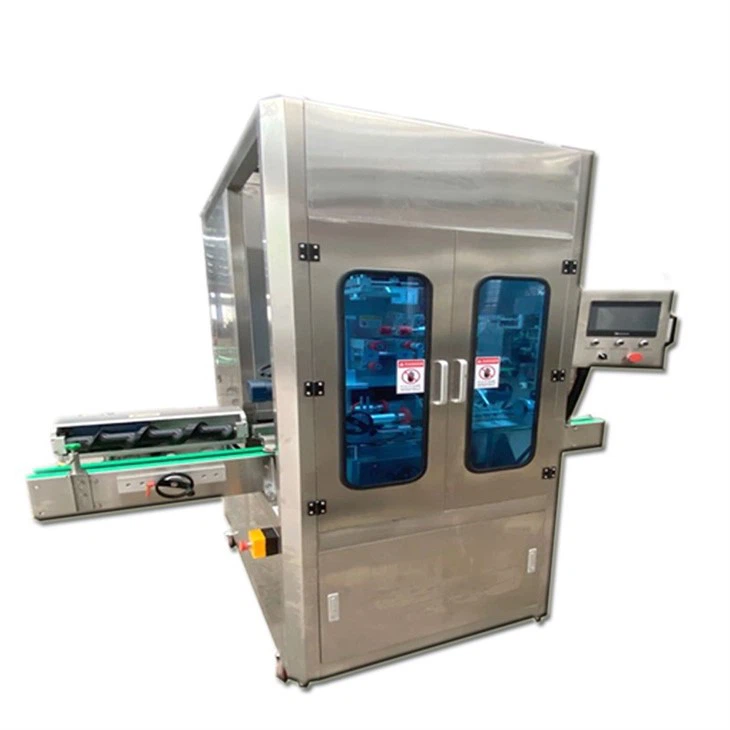
The Fully Automatic Sleeve Labeling Machine offers high - speed and precise labeling, which can be integrated with the laser coding process. This ensures that the marked product has a professional and consistent appearance. Similarly, the Large Bucket Water Sleeve Labeling Machine is designed for specific applications, and its accurate labeling can enhance the overall product presentation when combined with laser coding. The Double Head Sleeve Labeling Machine provides increased efficiency and flexibility in the labeling process, which can be beneficial for large - scale production where high - quality marking and labeling are required.

Conclusion
Optimizing the marking quality of a laser coding machine is a multi - faceted process that involves understanding the key factors affecting marking quality, implementing appropriate optimization strategies, and considering complementary equipment. As a laser coding machine supplier, we are committed to providing our customers with the knowledge and support they need to achieve the best possible marking results.
If you are interested in learning more about our laser coding machines or have specific requirements for your marking applications, we encourage you to contact us for a detailed discussion. Our team of experts is ready to assist you in selecting the right machine and optimizing the marking process to meet your production needs.
References
- "Laser Materials Processing Handbook" by John C. Ion
- "Industrial Laser Applications" by Peter Bäuerle
- Technical documentation provided by leading laser coding machine manufacturers.