

Hey there! As a supplier of sleeve labeling machines, I've seen firsthand how crucial it is to keep these machines stable during high-speed operation. It's not just about getting the job done; it's about doing it right, every single time. So, let's dive into how you can ensure the stability of a sleeve labeling machine when it's running at top speed.
1. Machine Design and Build Quality
First things first, the design and build quality of the machine play a huge role in its stability. A well-designed sleeve labeling machine is like a well-oiled machine (pun intended). It's built with precision and durability in mind.
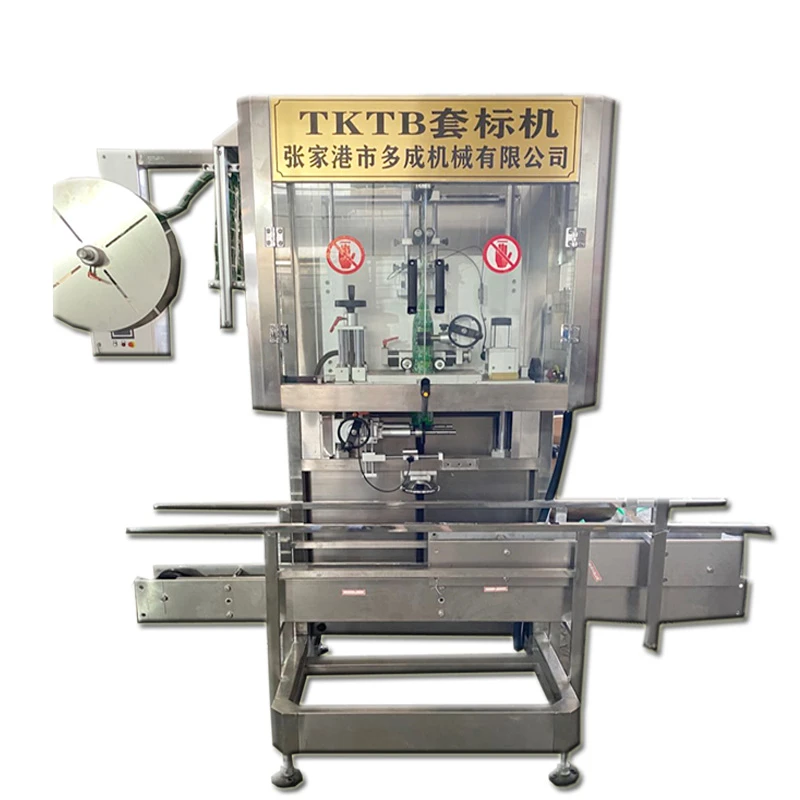
When we're designing our machines, we focus on using high-quality materials. For example, the frame of our Fully Automatic Sleeve Labeling Machine is made from strong, sturdy metals that can withstand the vibrations and stresses of high-speed operation. This helps to keep the machine stable and reduces the risk of it shaking or moving around during use.
Another important aspect of design is the layout of the components. We make sure that all the parts are properly balanced and aligned. This means that the labeling heads, conveyor belts, and other key components are positioned in a way that minimizes any uneven forces. When everything is in the right place, the machine can run smoothly and steadily, even at high speeds.
2. Regular Maintenance
Just like a car, a sleeve labeling machine needs regular maintenance to stay in top condition. This is especially important when it comes to high-speed operation. Regular maintenance helps to prevent breakdowns and ensures that the machine is always running at its best.
One of the most important maintenance tasks is cleaning. Over time, dust, dirt, and debris can build up on the machine's components, which can affect its performance. We recommend cleaning the machine thoroughly on a regular basis, especially the labeling heads and the conveyor belts. This helps to keep everything working smoothly and reduces the risk of jams or other issues.
In addition to cleaning, it's also important to lubricate the moving parts of the machine. This helps to reduce friction and wear, which can extend the lifespan of the components and keep the machine running smoothly. We use high-quality lubricants that are specifically designed for use in sleeve labeling machines, and we recommend following the manufacturer's guidelines for lubrication intervals.
Finally, it's a good idea to have the machine inspected by a professional on a regular basis. They can check for any signs of wear or damage and make any necessary repairs or adjustments. This can help to prevent small problems from turning into big ones and ensures that the machine is always safe and reliable.
3. Proper Installation
Proper installation is another key factor in ensuring the stability of a sleeve labeling machine. If the machine is not installed correctly, it can be prone to shaking, vibrating, or moving around during operation, which can affect its performance and accuracy.
When installing a sleeve labeling machine, it's important to make sure that it is level and stable. This means placing it on a flat, solid surface and using leveling feet to adjust the height if necessary. We also recommend using anti-vibration pads to reduce the amount of vibration that is transferred to the floor.
In addition to being level, the machine also needs to be properly connected to the power supply and other utilities. This includes making sure that the electrical connections are secure and that the machine is grounded correctly. We recommend having a qualified electrician install the machine to ensure that it is done safely and correctly.
4. Operator Training
Even the best-designed and maintained sleeve labeling machine won't perform well if the operator doesn't know how to use it properly. That's why operator training is so important.
When we supply a sleeve labeling machine, we provide comprehensive training to the operators. This includes both theoretical and practical training, so that they understand how the machine works and how to operate it safely and efficiently.
During the training, we cover topics such as machine setup, adjustment, and troubleshooting. We also teach the operators how to perform basic maintenance tasks, such as cleaning and lubrication. By providing this training, we help to ensure that the operators are confident and competent in using the machine, which can improve its stability and performance.
5. Label and Product Compatibility
The type of labels and products that you are using with the sleeve labeling machine can also have an impact on its stability. It's important to make sure that the labels and products are compatible with the machine and that they are being used correctly.
For example, if the labels are too thick or too thin, it can affect the machine's ability to apply them accurately. We recommend using labels that are specifically designed for use with sleeve labeling machines and that meet the manufacturer's specifications.
Similarly, the size and shape of the products can also affect the machine's performance. If the products are too large or too small, it can cause the machine to jam or misalign the labels. We recommend choosing products that are within the machine's specified range and that are properly sized and shaped for the labeling process.
6. Software and Control Systems
Modern sleeve labeling machines are often equipped with advanced software and control systems that can help to improve their stability and performance. These systems allow you to monitor and adjust the machine's settings in real-time, which can help to optimize its operation and reduce the risk of errors.
For example, our Large Bucket Water Sleeve Labeling Machine is equipped with a state-of-the-art control system that allows you to adjust the labeling speed, position, and other parameters with precision. This helps to ensure that the labels are applied accurately and consistently, even at high speeds.
In addition to the control system, the software also provides valuable diagnostic information. It can alert you to any potential problems or issues with the machine, such as a jam or a misaligned label. This allows you to take corrective action quickly and prevent any downtime or loss of productivity.
7. Testing and Quality Control
Before we ship a sleeve labeling machine to our customers, we conduct rigorous testing and quality control checks to ensure that it meets our high standards of performance and reliability. This includes testing the machine at high speeds to make sure that it is stable and accurate.
During the testing process, we simulate real-world conditions to see how the machine performs under different loads and operating conditions. We also check for any signs of wear or damage and make any necessary adjustments or repairs. This helps to ensure that the machine is ready to go when it arrives at the customer's site and that it will provide years of trouble-free operation.
Conclusion
Ensuring the stability of a sleeve labeling machine during high-speed operation is a complex but achievable goal. By focusing on machine design and build quality, regular maintenance, proper installation, operator training, label and product compatibility, software and control systems, and testing and quality control, you can keep your machine running smoothly and efficiently, even at top speeds.
If you're in the market for a sleeve labeling machine, we'd love to help you find the right one for your needs. Our Double Head Sleeve Labeling Machine is a great option for high-speed applications, and we also offer a range of other models to suit different requirements. Contact us today to learn more about our products and how we can help you improve your labeling process.

References
- Industry standards and best practices for sleeve labeling machines
- Manufacturer's manuals and technical documentation
- Personal experience and expertise in the sleeve labeling machine industry