

Hey there! As a supplier of film wrapping machines, I know firsthand how important it is to ensure the safety of operators when using these machines. In this blog post, I'll share some tips and best practices to help you keep your operators safe while they're working with our film wrapping machines.
Pre - operation Safety Checks
Before you even start the film wrapping machine, there are several crucial pre - operation safety checks that need to be done. First off, visually inspect the machine. Look for any signs of damage, like loose parts, frayed wires, or cracks in the body of the machine. If you spot anything suspicious, don't fire up the machine just yet. Instead, get a qualified technician to take a look and fix the issue.
Check all the safety guards. These guards are there for a reason – they prevent operators from getting too close to moving parts. Make sure they're properly installed and in good condition. If a guard is missing or damaged, it should be replaced immediately.
Verify that all emergency stop buttons are working. These buttons are your last - ditch effort to halt the machine in case of an emergency. Press each one and ensure that the machine comes to a complete stop right away.
Operator Training
You can't stress enough the importance of proper operator training. It's not just about knowing how to turn the machine on and off. Operators need to understand how every single part of the film wrapping machine works. This includes how to load the film, adjust the settings for different products, and troubleshoot minor issues.
Our company offers comprehensive training programs for all our machines, including the Large Linear Film Charter Machine, L Type Plastic Film Packaging Machine, and Small Linear Film Charter Machine. These programs cover everything from basic operation to advanced safety procedures.
During the training, operators learn about the potential hazards associated with the machine. For example, they'll be taught about the risk of getting their fingers caught in the moving belts or the hot parts of the sealer. They'll also learn how to use personal protective equipment (PPE) correctly.
Personal Protective Equipment (PPE)
PPE is a must - have when operating a film wrapping machine. At the very least, operators should wear safety glasses to protect their eyes from flying debris or film particles. Gloves are also important, especially when handling the film or adjusting parts of the machine. The gloves should be made of a material that can withstand the heat if they're going to be near the sealer.
In some cases, depending on the working environment and the type of machine, operators may need to wear ear protection. Some film wrapping machines can be quite noisy, and prolonged exposure to high - decibel levels can cause hearing damage.
Safe Operation Procedures
When the machine is running, operators need to follow some strict safe operation procedures. First, they should never reach into the machine while it's in operation. Even if something seems stuck or out of place, the machine must be turned off and the power disconnected before any maintenance or adjustment is made.
Keep the work area clean and free of clutter. A messy work area can lead to tripping hazards and make it difficult to operate the machine safely. Make sure that all tools and materials are stored properly when not in use.
Don't overload the machine. Each film wrapping machine has a recommended capacity, and exceeding this can not only damage the machine but also pose a safety risk. Operators should be familiar with the machine's capacity and make sure that they're not pushing it beyond its limits.
Regular Maintenance
Regular maintenance is key to keeping the film wrapping machine safe to use. We recommend scheduling routine maintenance checks at least once a month, depending on how often the machine is used. During these checks, a technician will inspect all the mechanical and electrical components of the machine.
They'll lubricate the moving parts to ensure smooth operation and reduce the risk of wear and tear. They'll also check the electrical connections to make sure there are no loose wires or short circuits.
If any parts are showing signs of excessive wear, they should be replaced immediately. Using a machine with worn - out parts is a recipe for disaster.
Emergency Preparedness
Even with all the safety measures in place, emergencies can still happen. That's why it's important to have an emergency plan in place. Operators should know what to do in case of a fire, a machine malfunction, or an injury.
There should be a clear evacuation route marked in the work area, and operators should be familiar with it. In case of an injury, there should be a first - aid kit readily available, and at least one person on the premises should be trained in first - aid.
Monitoring and Feedback
Finally, it's important to monitor the operation of the film wrapping machine regularly. This can involve observing the operators at work, looking for any signs of unsafe behavior or potential issues with the machine.
Encourage operators to provide feedback. They're the ones using the machine every day, so they may have valuable insights into how to improve safety. Maybe they've noticed a particular part of the machine that's causing problems or a safety procedure that could be more effective.
By following these tips, you can significantly reduce the risk of accidents and ensure the safety of your operators when using our film wrapping machines.

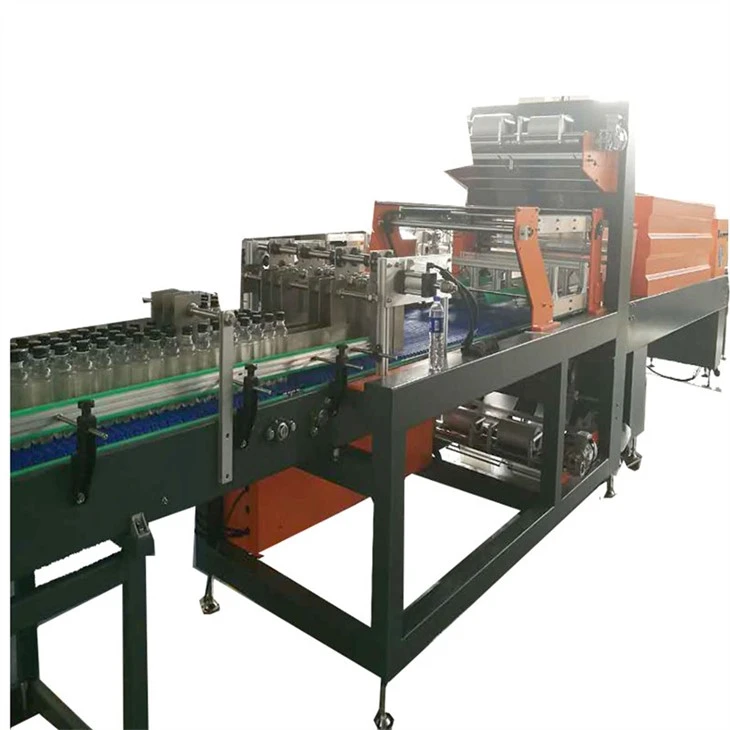
If you're in the market for a film wrapping machine or want to learn more about our safety features and training programs, don't hesitate to reach out. We're here to help you find the right machine for your needs and ensure that your operators can work safely and efficiently.
References
- Industry standards for packaging machine safety
- Manufacturer's manuals for film wrapping machines