

When it comes to film wrapping machines, one of the most critical decisions you'll make is choosing the right film width. As a trusted film wrapping machine supplier, I understand the complexities involved in this process. In this blog post, I'll share some insights on how to select the appropriate film width for your specific needs.
Understanding the Basics of Film Width
The film width of a wrapping machine refers to the measurement of the film from one edge to the other. It plays a crucial role in determining the efficiency and effectiveness of the packaging process. A film that is too narrow may not fully cover the product, leaving it exposed and vulnerable to damage. On the other hand, a film that is too wide can result in excessive waste and higher costs.
Factors to Consider When Choosing Film Width
1. Product Dimensions
The first and most obvious factor to consider is the size of the product you'll be packaging. Measure the length, width, and height of your products accurately. The film width should be sufficient to wrap around the product with some overlap. A general rule of thumb is to choose a film width that is at least twice the width of the product plus a few extra inches for overlap. For example, if your product is 6 inches wide, a film width of 14 - 16 inches would be appropriate.
2. Type of Packaging
The type of packaging you're aiming for also influences the film width. If you're doing a simple over - wrapping, a relatively narrower film might be sufficient. However, if you're creating a sealed package or using a shrink - wrapping technique, you'll need a wider film to ensure a proper seal. For instance, in a shrink - wrapping application, the film needs to be wide enough to cover the product and then shrink tightly around it.
3. Machine Compatibility
Not all film wrapping machines can accommodate all film widths. Check the specifications of your film wrapping machine to determine the minimum and maximum film widths it can handle. Some machines, like our Film Packaging Machine, have a wide range of compatible film widths, while others may be more limited. If you're considering purchasing a new machine, make sure to choose one that can handle the film width you need for your products.
4. Production Volume
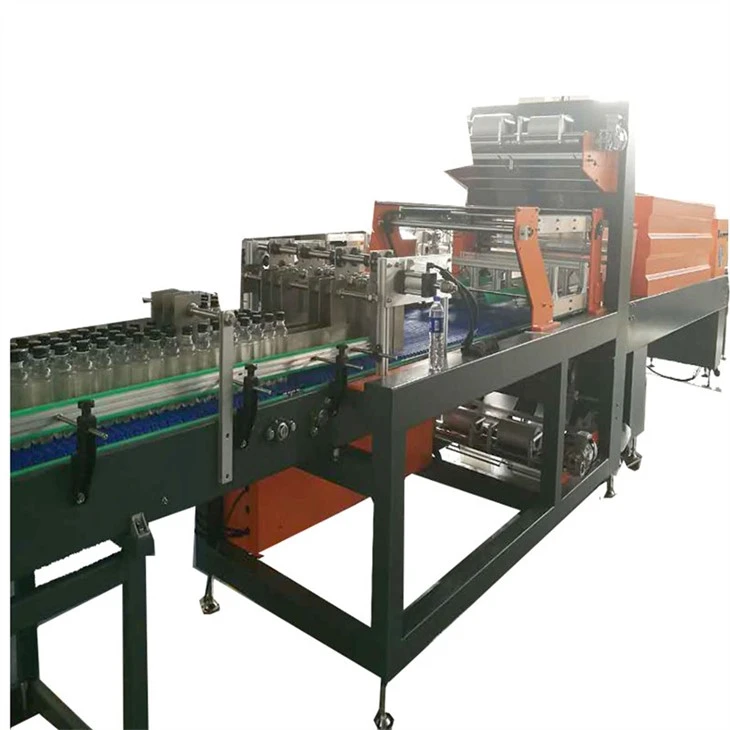
High - volume production may require a different approach to film width selection. In a high - volume setting, you want to minimize downtime for film changes. Choosing a standard film width that is readily available in large rolls can help streamline the production process. Our Small Linear Film Charter Machine and Large Linear Film Charter Machine are designed to work efficiently with various film widths, making them suitable for different production volumes.

5. Cost Considerations
The cost of the film is directly related to its width. Wider films generally cost more per roll. However, using a wider film may reduce the number of film changes during production, which can save on labor costs. You need to find a balance between the cost of the film and the overall efficiency of the packaging process. Consider the long - term cost implications when choosing the film width.
Step - by - Step Guide to Choosing the Right Film Width
Step 1: Measure Your Products
As mentioned earlier, accurate measurement of your products is essential. Use a reliable measuring tool and record the dimensions. Take into account any irregularities in the shape of the product as well.
Step 2: Research Machine Compatibility
Review the technical specifications of your film wrapping machine. If you're not sure, contact the manufacturer or supplier for guidance. If you're in the market for a new machine, look for one that offers flexibility in film width options.
Step 3: Evaluate Packaging Requirements
Decide on the type of packaging you need, whether it's a simple wrap, a sealed package, or a shrink - wrapped product. This will help you determine the minimum and maximum film widths required.
Step 4: Consider Production Volume
If you have a high - volume production line, look for standard film widths that are easily available in large quantities. This can reduce the frequency of film roll changes and increase productivity.
Step 5: Calculate Cost - Benefit
Compare the costs of different film widths with the potential savings in labor and efficiency. Consider the long - term impact on your bottom line.
Common Mistakes to Avoid
1. Ignoring Machine Limitations
Using a film width that is outside the machine's specifications can lead to mechanical problems, such as jams and uneven wrapping. Always follow the manufacturer's guidelines for film width compatibility.
2. Underestimating Overlap Requirements
Insufficient overlap can result in a weak seal or an incomplete wrap. Make sure to account for enough overlap to ensure a secure and professional - looking package.
3. Not Considering Future Product Changes
If you plan to introduce new products in the future, choose a film width that can accommodate a range of product sizes. This will give you more flexibility and prevent the need for frequent machine adjustments.
Conclusion
Choosing the right film width for your film wrapping machine is a multi - faceted decision that requires careful consideration of product dimensions, packaging type, machine compatibility, production volume, and cost. By following the steps outlined in this blog post and avoiding common mistakes, you can select a film width that optimizes your packaging process and reduces costs.
If you're still unsure about which film width is right for your needs or if you're interested in learning more about our film wrapping machines, we're here to help. Our team of experts can provide personalized advice and solutions to meet your specific requirements. Contact us today to start a discussion about your film wrapping needs and take the first step towards more efficient and cost - effective packaging.
References
- Packaging Machinery Manufacturers Institute (PMMI). "Best Practices for Film Wrapping in Packaging."
- Industry standards and guidelines for film wrapping machines.