

Polycarbonate is a widely used thermoplastic polymer known for its high impact resistance, transparency, and heat resistance. It finds applications in various industries, including automotive, electronics, and packaging. As a laser coding machine supplier, one question we often encounter is whether our laser coding machines can mark on polycarbonate surfaces. In this blog post, we will explore the feasibility of laser marking on polycarbonate, the factors influencing the marking process, and the benefits of using laser coding machines for polycarbonate marking.
Feasibility of Laser Marking on Polycarbonate
Laser marking is a non-contact, permanent marking method that uses a high-energy laser beam to create marks on the surface of a material. The laser beam interacts with the material, causing a physical or chemical change that results in a visible mark. Polycarbonate is a suitable material for laser marking because it can absorb laser energy, which leads to color changes or surface ablation.
There are two main types of laser marking processes used for polycarbonate:
- Color change marking: This process involves heating the polycarbonate surface with a laser beam, causing a chemical reaction that changes the color of the material. The color change is usually from clear or white to a darker shade, such as black or brown. Color change marking is suitable for applications where a high-contrast mark is required, such as barcodes, serial numbers, and logos.
- Surface ablation marking: In this process, the laser beam removes a thin layer of the polycarbonate surface, creating a raised or recessed mark. Surface ablation marking is commonly used for applications where a more permanent and durable mark is needed, such as product identification and traceability.
Factors Influencing Laser Marking on Polycarbonate
Several factors can influence the quality and effectiveness of laser marking on polycarbonate surfaces. These factors include:
- Laser type and wavelength: Different types of lasers, such as CO2 lasers, fiber lasers, and UV lasers, have different wavelengths and energy levels, which can affect the marking process. For polycarbonate, UV lasers are often preferred because they have a shorter wavelength and higher energy, which allows for more precise and detailed marking.
- Laser power and speed: The power and speed of the laser beam can also affect the marking quality. Higher laser power can result in a deeper and more permanent mark, but it can also cause damage to the polycarbonate surface. On the other hand, lower laser power may not be sufficient to create a visible mark. The speed of the laser beam also needs to be carefully controlled to ensure a consistent and uniform mark.
- Polycarbonate properties: The properties of the polycarbonate material, such as its thickness, color, and additives, can also influence the laser marking process. Thicker polycarbonate materials may require more laser energy to create a visible mark, while colored polycarbonate materials may absorb laser energy differently than clear or white materials. Additives, such as flame retardants and UV stabilizers, can also affect the marking quality.
- Surface preparation: Proper surface preparation is essential for achieving high-quality laser marking on polycarbonate surfaces. The surface should be clean and free of any contaminants, such as dust, oil, and grease. Any surface imperfections, such as scratches or cracks, should also be repaired before marking.
Benefits of Using Laser Coding Machines for Polycarbonate Marking
Using laser coding machines for polycarbonate marking offers several benefits, including:
- Permanent and durable marks: Laser marks on polycarbonate surfaces are permanent and resistant to fading, scratching, and chemical exposure. This makes them ideal for applications where long-term readability and durability are required, such as product identification and traceability.
- High precision and accuracy: Laser coding machines can create highly precise and accurate marks on polycarbonate surfaces, even on small or complex parts. This allows for the marking of detailed barcodes, serial numbers, and logos with excellent readability.
- Non-contact marking: Laser marking is a non-contact process, which means that there is no physical contact between the marking tool and the polycarbonate surface. This eliminates the risk of damage to the material and ensures a clean and consistent mark.
- Versatility: Laser coding machines can be used to mark a wide range of polycarbonate products, including sheets, films, tubes, and molded parts. They can also be used to mark different types of polycarbonate materials, such as clear, colored, and filled polycarbonates.
- Environmentally friendly: Laser marking is a clean and environmentally friendly process that does not produce any waste or emissions. This makes it a sustainable alternative to traditional marking methods, such as inkjet printing and labeling.
Applications of Laser Marking on Polycarbonate
Laser marking on polycarbonate surfaces has a wide range of applications in various industries, including:
- Automotive industry: Laser marking is used to mark polycarbonate parts, such as dashboards, instrument panels, and headlight lenses, with logos, serial numbers, and barcodes for product identification and traceability.
- Electronics industry: Polycarbonate is commonly used in the electronics industry for the manufacture of mobile phones, tablets, and laptops. Laser marking is used to mark these devices with serial numbers, model numbers, and logos for branding and anti-counterfeiting purposes.
- Packaging industry: Laser marking is used to mark polycarbonate packaging materials, such as bottles, containers, and trays, with product information, expiration dates, and barcodes for inventory management and consumer information.
- Medical industry: Polycarbonate is used in the medical industry for the manufacture of medical devices, such as syringes, catheters, and surgical instruments. Laser marking is used to mark these devices with serial numbers, lot numbers, and usage instructions for patient safety and traceability.
Related Products
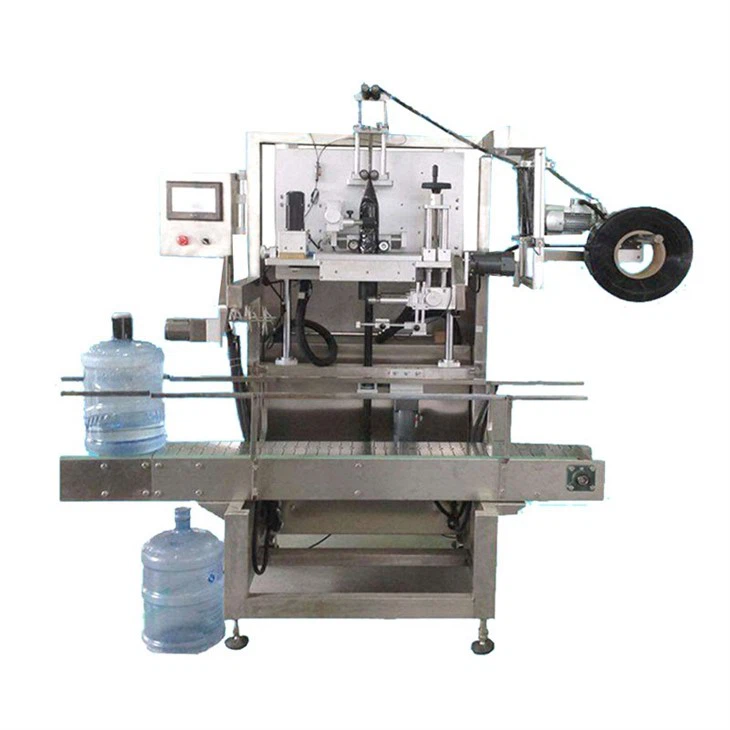
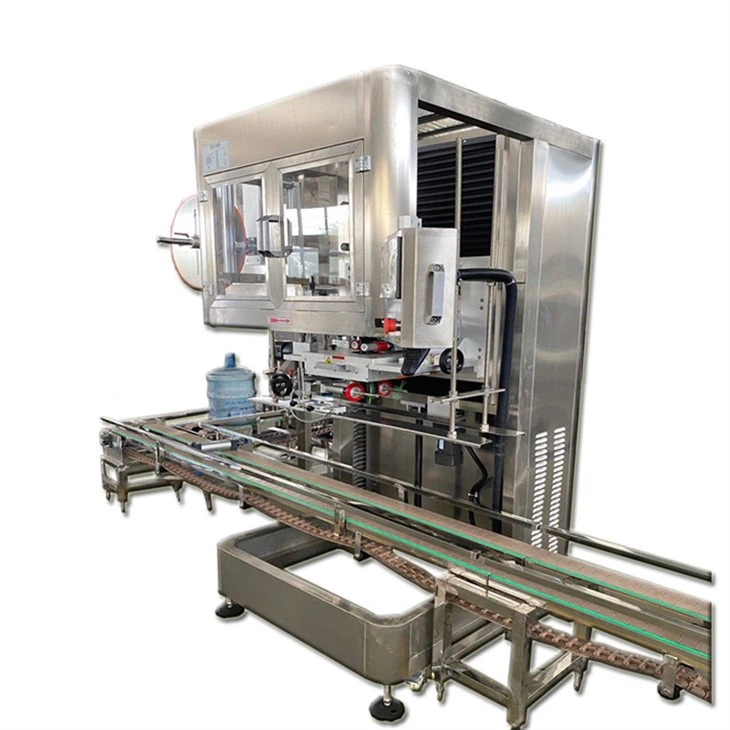
In addition to laser coding machines, we also offer a range of Fully Automatic Sleeve Labeling Machine, Double Head Sleeve Labeling Machine, and Large Bucket Water Sleeve Labeling Machine that can be used in conjunction with laser marking for complete product identification and packaging solutions.
Conclusion
In conclusion, laser coding machines can effectively mark on polycarbonate surfaces, offering permanent, high-precision, and environmentally friendly marking solutions. By carefully considering the factors influencing the marking process and choosing the right laser type and parameters, high-quality marks can be achieved on a wide range of polycarbonate products. If you are interested in learning more about our laser coding machines or other labeling solutions, please contact us for a consultation and to discuss your specific requirements.
References
- "Laser Marking of Plastics," Industrial Laser Solutions, https://www.industrial-lasers.com/articles/print/volume-29/issue-10/features/laser-marking-of-plastics.html
- "Polycarbonate: Properties, Processing, and Applications," Plastics Technology, https://www.plasticstechnology.com/articles/polycarbonate-properties-processing-and-applications
- "Laser Marking Technology: A Guide to the Basics," Markem-Imaje, https://www.markem-imaje.com/en/resources/knowledge-center/laser-marking-technology-guide-basics