

As a supplier of laser coding machines, I often encounter inquiries about the machine's capabilities, especially regarding its ability to mark on glass. Glass is a unique material, known for its smooth surface, transparency, and brittleness. In this blog, we'll explore whether a laser coding machine can effectively mark on glass, the methods involved, and the benefits it offers.
Understanding Laser Coding Technology
Before delving into the specifics of glass marking, it's essential to understand how laser coding machines work. Laser coding is a non - contact marking method that uses a high - energy laser beam to interact with the surface of a material. When the laser beam hits the material, it causes a physical or chemical change, creating a permanent mark. There are different types of lasers used in coding machines, such as CO2 lasers, fiber lasers, and UV lasers, each with its own characteristics and applications.
Can a Laser Coding Machine Mark on Glass?
The short answer is yes, a laser coding machine can mark on glass. However, the success of the marking depends on several factors, including the type of laser, the glass composition, and the desired marking effect.
Types of Lasers for Glass Marking
- CO2 Lasers: CO2 lasers are commonly used for glass marking. They operate at a wavelength of around 10.6 micrometers, which is well - absorbed by glass. When a CO2 laser beam hits the glass surface, it heats the glass, causing it to expand and crack on a microscopic level. This creates a frosted or etched appearance, which is visible and permanent. CO2 lasers are suitable for creating large - scale markings, such as logos, barcodes, and text.
- Fiber Lasers: Fiber lasers have a shorter wavelength (usually around 1.06 micrometers) compared to CO2 lasers. They are more efficient and can produce high - precision markings. Fiber lasers can be used to mark glass by creating micro - fractures on the surface. However, they may not be as effective as CO2 lasers for creating large - area markings due to their relatively small spot size.
- UV Lasers: UV lasers operate at a very short wavelength (around 355 nanometers). They can mark glass by breaking the chemical bonds on the surface, resulting in a clean and precise mark. UV lasers are ideal for creating high - resolution markings, such as serial numbers and small graphics, especially on delicate or thin glass products.
Glass Composition
The composition of the glass also plays a crucial role in laser marking. Different types of glass, such as soda - lime glass, borosilicate glass, and quartz glass, have different absorption properties for lasers. For example, soda - lime glass is more easily marked by CO2 lasers because it contains more impurities that absorb the laser energy. On the other hand, borosilicate glass and quartz glass are more resistant to laser marking due to their high purity and better thermal stability.
Desired Marking Effect
The desired marking effect also influences the choice of laser and marking parameters. If you want a deep and visible mark, a CO2 laser with higher power may be more suitable. For a subtle and high - precision mark, a UV laser would be a better option.
Advantages of Laser Coding on Glass
- Permanence: Laser - marked codes on glass are permanent and cannot be easily removed or altered. This makes them ideal for product identification, anti - counterfeiting, and traceability purposes.
- High Precision: Laser coding machines can produce extremely precise markings, even on small glass products. This is important for applications where accuracy is crucial, such as in the medical and electronics industries.
- Non - Contact Process: Laser coding is a non - contact process, which means there is no physical contact between the marking tool and the glass surface. This eliminates the risk of damage to the glass, especially for delicate or thin glass products.
- Versatility: Laser coding machines can create a variety of marking effects, including frosted, etched, and high - resolution marks. They can also mark different shapes, sizes, and patterns, making them suitable for a wide range of applications.
Applications of Laser Coding on Glass
- Beverage Bottles: Laser coding is widely used to mark information such as product names, batch numbers, and expiration dates on beverage bottles. This helps with product identification and traceability throughout the supply chain.
- Medical Glassware: In the medical industry, laser - marked glassware is used for sample collection and analysis. The markings can include patient information, sample IDs, and laboratory codes, ensuring accurate identification and tracking.
- Electronics Glass: Laser coding is used to mark glass components in electronic devices, such as smartphone screens and touch panels. This helps with product authentication and quality control.
- Decorative Glass: Laser coding can be used to create beautiful and unique markings on decorative glass products, such as vases, mirrors, and art pieces. This adds value and uniqueness to the products.
Our Laser Coding Machines for Glass Marking
As a leading supplier of laser coding machines, we offer a range of products suitable for glass marking. Our machines are equipped with advanced laser technology and user - friendly software, allowing for easy operation and high - quality markings.
- Our CO2 laser coding machines are designed to provide efficient and effective glass marking solutions. They can create large - scale markings with a clear and visible effect.
- Our fiber laser coding machines are ideal for high - precision glass marking. They can produce detailed and accurate markings, even on small glass components.
- Our UV laser coding machines are perfect for creating high - resolution markings on glass. They can mark fine details with minimal heat - affected zone.
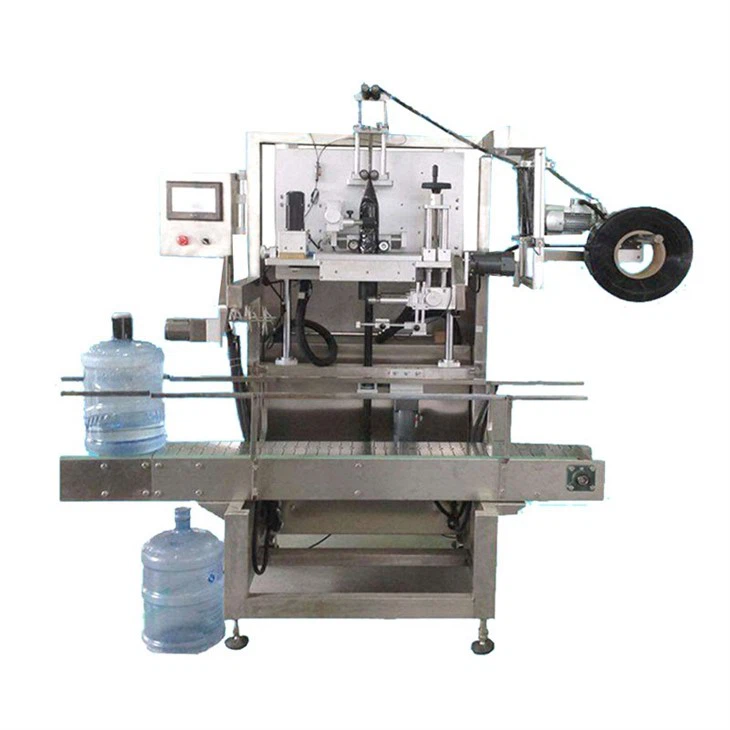
In addition to our laser coding machines, we also offer a variety of labeling machines, such as the Double Head Sleeve Labeling Machine, Large Bucket Water Sleeve Labeling Machine, and Fully Automatic Sleeve Labeling Machine. These labeling machines can be used in conjunction with our laser coding machines to provide a complete product identification and packaging solution.

Conclusion
In conclusion, a laser coding machine can effectively mark on glass. By choosing the right type of laser, considering the glass composition, and adjusting the marking parameters, it is possible to achieve high - quality and permanent markings on glass products. Whether you need to mark beverage bottles, medical glassware, or decorative glass, our laser coding machines can meet your needs.
If you are interested in our laser coding machines or labeling machines, please feel free to contact us for more information and to discuss your specific requirements. We are committed to providing you with the best solutions and excellent customer service.
References
- "Laser Materials Processing Handbook" by John C. Ion
- "Introduction to Laser Technology" by Jeff Hecht