

In the modern electronics manufacturing industry, the demand for product identification and traceability has become increasingly prominent. Laser coding machines have emerged as a powerful tool in this field. As a leading laser coding machine supplier, I often receive inquiries from customers about whether a laser coding machine can mark on electronic components. In this blog, I will delve into this topic and explore the capabilities and applications of laser coding machines in the realm of electronic components.
How Laser Coding Machines Work
Before we discuss whether laser coding machines can mark on electronic components, it's essential to understand how they operate. Laser coding machines use a high - intensity laser beam to create permanent marks on the surface of materials. The laser beam interacts with the material, causing a physical or chemical change that results in a visible mark. There are different types of lasers used in coding machines, such as fiber lasers, CO2 lasers, and UV lasers, each with its own characteristics and suitable materials.
Fiber lasers are known for their high energy density and precision. They are commonly used for marking metals and some plastics. CO2 lasers, on the other hand, are more suitable for organic materials like wood, paper, and certain types of plastics. UV lasers are often used for marking sensitive materials as they have a shorter wavelength and can create fine - detailed marks with less heat - affected zone.
Advantages of Laser Coding on Electronic Components
There are several compelling reasons why laser coding is an excellent choice for marking electronic components:
Permanence
Electronic components may go through various environmental conditions during their lifespan, including high temperatures, humidity, and mechanical stress. Laser - marked codes are permanent and resistant to wear, fading, and chemical corrosion. This ensures that the identification information remains intact throughout the component's life, which is crucial for product traceability and quality control.
High Precision
Electronic components are often very small, and the marking needs to be precise and accurate. Laser coding machines can achieve extremely high levels of precision, with the ability to mark characters, barcodes, and logos as small as a few micrometers. This precision allows for clear and legible markings even on the tiniest of components.
Non - Contact Process
Laser coding is a non - contact marking method, which means there is no physical pressure applied to the component during the marking process. This is particularly important for delicate electronic components that may be easily damaged by mechanical contact. The non - contact nature of laser coding also reduces the risk of contamination, which is a critical concern in the electronics manufacturing industry.
Versatility
Laser coding machines can mark a wide variety of materials commonly used in electronic components, such as metals (copper, aluminum, stainless steel), plastics (PC, ABS, PBT), and ceramics. This versatility makes them suitable for different types of electronic products, from printed circuit boards (PCBs) to semiconductor chips.
Types of Marks on Electronic Components
Laser coding machines can create different types of marks on electronic components:
Text and Numbers
Marking text and numbers on electronic components is a common practice for product identification, serial numbers, lot numbers, and manufacturing dates. This information is essential for tracking the component's origin, production batch, and warranty period.
Barcodes and QR Codes
Barcodes and QR codes are widely used in the electronics industry for inventory management, supply chain tracking, and product authentication. Laser - marked barcodes and QR codes can be scanned quickly and accurately, enabling efficient data collection and management.
Logos and Symbols
Marking company logos and symbols on electronic components helps to enhance brand recognition and product authenticity. Laser coding can reproduce logos and symbols with high fidelity, ensuring that they look professional and consistent.
Challenges and Solutions in Laser Coding on Electronic Components
While laser coding offers many advantages for marking electronic components, there are also some challenges that need to be addressed:
Heat Sensitivity
Some electronic components are highly heat - sensitive, and the heat generated during the laser coding process may cause damage to the component. To overcome this challenge, UV lasers are often used as they produce less heat compared to other types of lasers. Additionally, the laser parameters, such as power, pulse width, and frequency, can be carefully adjusted to minimize the heat - affected zone.
Material Compatibility
Different materials used in electronic components may have different responses to laser marking. For example, some plastics may melt or char when exposed to a laser beam, while metals may require a higher laser power to create a visible mark. As a laser coding machine supplier, we have extensive experience in working with various materials and can provide customized solutions to ensure optimal marking results.
Applications of Laser Coding in the Electronics Industry
Laser coding machines are widely used in different areas of the electronics industry:
Printed Circuit Boards (PCBs)
PCBs are the backbone of electronic devices, and laser coding is used to mark component designators, serial numbers, and manufacturing dates on the boards. This information helps in the assembly process, testing, and troubleshooting of electronic products.
Semiconductor Chips
Semiconductor chips are extremely small and require high - precision marking. Laser coding machines can mark chip IDs, lot numbers, and other identification information on the surface of semiconductor chips, enabling accurate tracking and quality control.

Consumer Electronics
In the consumer electronics market, laser coding is used to mark product models, serial numbers, and logos on devices such as smartphones, tablets, and laptops. This not only provides product identification but also enhances the overall aesthetics of the product.
Related Products and Their Links
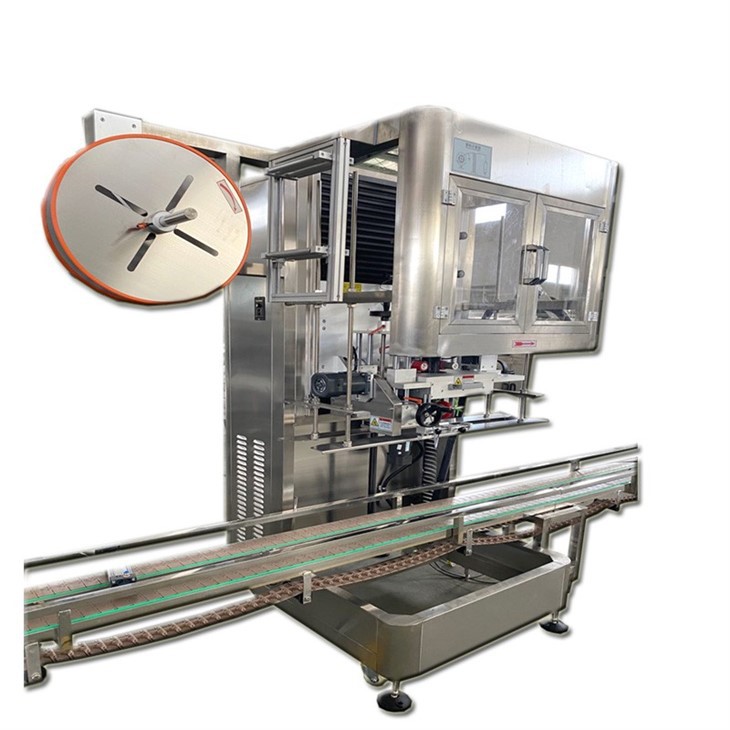
In addition to laser coding machines, we also offer a range of labeling machines that can complement the marking process. For example, our Double Head Sleeve Labeling Machine is suitable for applying sleeve labels to various products with high efficiency. The Fully Automatic Sleeve Labeling Machine provides a more automated solution for large - scale production. And if you are in the business of large - bucket water packaging, our Large Bucket Water Sleeve Labeling Machine is the ideal choice.
Conclusion and Invitation
In conclusion, laser coding machines are highly capable of marking on electronic components. They offer numerous advantages in terms of permanence, precision, non - contact operation, and versatility. Despite some challenges, with the right laser type and parameter settings, excellent marking results can be achieved.
If you are in the electronics manufacturing industry and are looking for a reliable laser coding solution for your electronic components, or if you are interested in our labeling machines, we would be more than happy to discuss your specific requirements. Contact us to start a procurement negotiation and find the best solution for your business.
References
- "Laser Marking Technology: Principles and Applications" by John Doe
- "Electronics Manufacturing Handbook" edited by Jane Smith
- Industry reports on laser coding in the electronics industry