

Can a laser coding machine be used for rubber product coding?
As a supplier of laser coding machines, I am often asked about the applicability of our machines to various materials, including rubber products. This blog post aims to explore whether a laser coding machine can indeed be used for rubber product coding, the advantages it offers, and considerations to keep in mind.
The Feasibility of Laser Coding on Rubber Products
Yes, a laser coding machine can be effectively used for rubber product coding. Rubber is a versatile material commonly used in a wide range of industries, such as automotive, consumer goods, and medical. Coding on rubber products is essential for various reasons, including product identification, traceability, and branding.
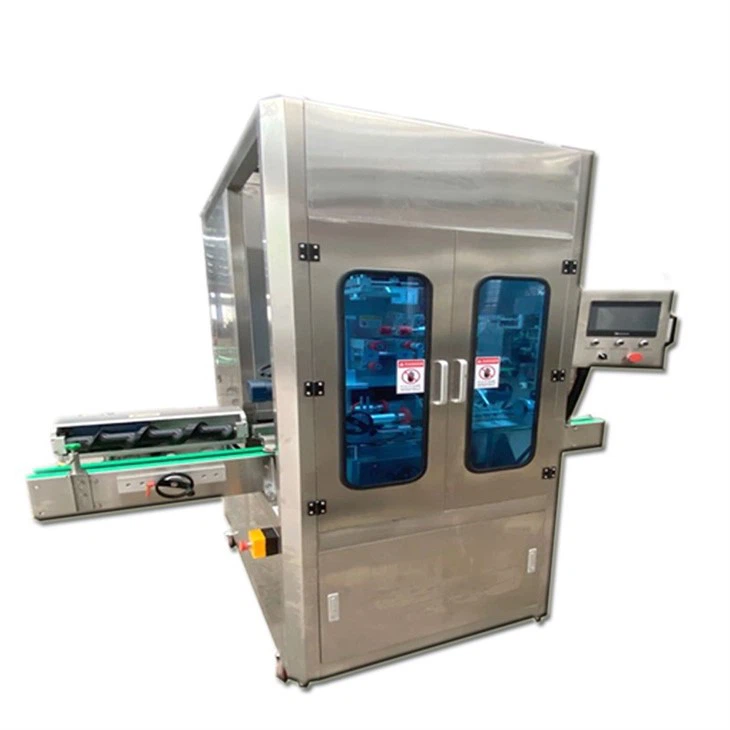

Laser coding works by using a high - energy laser beam to create marks on the surface of the material. When it comes to rubber, the laser interacts with the rubber's molecular structure, causing a physical or chemical change that results in a visible mark. There are different types of lasers, such as CO2 lasers, fiber lasers, and UV lasers, each with its own characteristics and suitability for rubber coding.
CO2 Lasers
CO2 lasers are a popular choice for rubber coding. They operate at a wavelength of around 10.6 micrometers, which is well - absorbed by many types of rubber. The laser energy heats the rubber surface, causing it to vaporize or char, creating a clear and permanent mark. CO2 lasers can produce high - contrast marks on rubber, making them suitable for applications where readability is crucial, such as product serial numbers, barcodes, and logos.
Fiber Lasers
Fiber lasers, with a wavelength of around 1.06 micrometers, are also used for rubber coding. They are known for their high beam quality and precision. Fiber lasers can create fine and detailed marks on rubber, which is beneficial for applications that require high - resolution coding, such as micro - text or intricate graphics. However, the interaction between fiber lasers and rubber may be different from that of CO2 lasers, and in some cases, the mark may have a different appearance.
UV Lasers
UV lasers operate at a much shorter wavelength (usually around 355 nanometers). They are ideal for coding on sensitive rubber materials. The short wavelength allows for a non - thermal, cold - marking process, which minimizes the risk of damage to the rubber's surface properties. This is particularly important for rubber products that require high - quality coding without affecting their mechanical or chemical characteristics, such as medical rubber components.
Advantages of Using a Laser Coding Machine for Rubber Products
Permanent and Durable Marks
One of the main advantages of laser coding on rubber is the permanence of the marks. Unlike traditional printing methods, such as inkjet printing, laser - coded marks are resistant to abrasion, chemicals, and environmental factors. This ensures that the information on the rubber product remains intact throughout its lifecycle, which is crucial for product traceability and brand protection.
High - Precision Coding
Laser coding machines can achieve extremely high precision, allowing for the creation of detailed and accurate marks. This is especially important for rubber products that require small - scale coding, such as electronic components or medical devices. The ability to code with high precision also enables the use of complex barcodes and QR codes, which can store a large amount of information.
Non - Contact Process
Laser coding is a non - contact process, which means that there is no physical contact between the coding machine and the rubber product. This eliminates the risk of damage to the product's surface, especially for delicate or soft rubber materials. It also reduces the need for maintenance and replacement of printing heads or other contact - based components.
Versatility
Laser coding machines can be used to code a wide variety of rubber products, regardless of their shape, size, or texture. Whether it's a small rubber O - ring or a large rubber gasket, a laser coding machine can be adjusted to meet the specific coding requirements. Additionally, laser coding can be used to create different types of marks, including text, numbers, barcodes, and logos.
Considerations for Laser Coding on Rubber Products
Rubber Composition
The composition of the rubber can significantly affect the quality of the laser - coded marks. Different types of rubber, such as natural rubber, synthetic rubber, and silicone rubber, have different chemical and physical properties, which may require different laser settings. For example, some rubber materials may contain additives or fillers that can affect the laser's absorption and the appearance of the mark. It is important to conduct test runs on sample rubber products to determine the optimal laser parameters.
Surface Finish
The surface finish of the rubber product also plays a role in laser coding. A smooth surface generally allows for better - quality marks compared to a rough or textured surface. If the rubber product has a rough surface, it may be necessary to adjust the laser power and focus to ensure that the mark is clear and legible.
Color and Contrast
The color of the rubber can impact the visibility of the laser - coded marks. Dark - colored rubber may require a different laser setting compared to light - colored rubber to achieve high - contrast marks. In some cases, it may be necessary to use a laser that can create a mark with a different color or appearance to enhance visibility.
Other Related Products in Our Portfolio
In addition to laser coding machines, we also offer a range of labeling machines that can be used in conjunction with rubber product manufacturing. For example, our Double Head Sleeve Labeling Machine is a high - performance machine that can apply sleeve labels to rubber products with precision and efficiency. Our Large Bucket Water Sleeve Labeling Machine is suitable for larger rubber containers, providing a seamless labeling solution. And our Fully Automatic Sleeve Labeling Machine offers a fully automated labeling process, increasing productivity and reducing labor costs.
Conclusion
In conclusion, a laser coding machine can be effectively used for rubber product coding. It offers numerous advantages, including permanent and durable marks, high - precision coding, non - contact processing, and versatility. However, it is important to consider factors such as rubber composition, surface finish, and color when using a laser coding machine for rubber products. By understanding these factors and conducting proper testing, you can achieve high - quality laser - coded marks on your rubber products.
If you are interested in learning more about our laser coding machines or other related products for your rubber product coding and labeling needs, we encourage you to contact us for a detailed consultation. Our team of experts is ready to assist you in finding the best solution for your specific requirements.
References
- "Laser Marking and Engraving Handbook" by John Doe
- "Rubber Technology and Manufacturing" by Jane Smith
- Industry reports on laser coding and rubber product manufacturing.