

Hey there! As a supplier of water treatment systems, I've had my fair share of experiences with installing these systems. And let me tell you, having the right tools is super important. In this blog, I'm gonna walk you through the essential tools you need to install a water treatment system.
1. Pipe Cutters
First up, pipe cutters are a must - have. You'll be dealing with all sorts of pipes when installing a water treatment system, like PVC, copper, or PEX. Different types of pipes require different pipe cutters. For PVC pipes, a simple manual PVC pipe cutter will do the job. It's easy to use; you just place the cutter around the pipe and squeeze the handles until it cuts through.
If you're working with copper pipes, a tubing cutter is the way to go. It has a sharp wheel that scores the pipe as you rotate it around, and then you can break the pipe at the scored line. PEX pipes need a specialized PEX pipe cutter. These cutters are designed to make clean, straight cuts without crushing the pipe. Without proper pipe cutters, you'll end up with uneven cuts, which can lead to leaks in your water treatment system.
2. Wrenches
Wrenches are another set of tools you can't do without. You'll need adjustable wrenches for general use. They can be adjusted to fit different sizes of nuts and bolts. A pair of large - sized adjustable wrenches is great for tightening or loosening big connections in the water treatment system.
For more precise work, socket wrenches are very useful. They come in a set with different sizes, and you can easily change the socket to fit the specific nut or bolt you're working on. Pipe wrenches are also essential, especially when dealing with threaded pipes. They have serrated jaws that grip the pipe tightly, allowing you to turn it and make a secure connection.
3. Soldering Equipment (for Copper Pipes)
If your water treatment system involves copper pipes, soldering equipment is necessary. You'll need a soldering torch, solder, and flux. The soldering torch provides the heat needed to melt the solder. Propane torches are commonly used for this purpose.
Flux is applied to the joint before soldering. It helps to clean the metal surfaces and promotes the flow of the solder. Once the flux is applied, you heat the joint with the torch until it's hot enough to melt the solder. Then you touch the solder to the joint, and it will flow into the gap, creating a strong, leak - proof connection. Soldering copper pipes requires some skill, but with the right equipment and a bit of practice, you can do it like a pro.

4. Drill and Bits
A drill and a set of bits are needed for various tasks during the installation. You might need to drill holes in walls or cabinets to mount parts of the water treatment system. For wood, a regular wood - drilling bit will work fine. If you're drilling into concrete or brick, you'll need masonry bits. These bits are designed to withstand the hardness of the material and make clean holes.
You'll also need different sizes of bits depending on the size of the screws or bolts you're using to mount the components. A cordless drill is very convenient as it allows you to move around freely without being restricted by a power cord.
5. Teflon Tape
Teflon tape, also known as plumber's tape, is a simple but crucial tool. It's used to seal threaded connections in pipes. When you're connecting pipes or fittings, you wrap the Teflon tape around the male threads. The tape fills in the gaps between the threads, preventing water from leaking out.
It's important to wrap the tape in the right direction. Usually, you wrap it clockwise around the threads. Using Teflon tape can save you a lot of headaches from dealing with small leaks in your water treatment system.
6. Pressure Gauge
A pressure gauge is essential for checking the water pressure in your system. You need to make sure that the water pressure is within the recommended range for the proper functioning of the water treatment system. If the pressure is too high, it can damage the components of the system. If it's too low, the system might not work efficiently.
You can connect the pressure gauge to the water line before and after the water treatment system to measure the pressure difference. This will help you determine if the system is working correctly and if there are any blockages or issues in the pipes.
7. Labeling Machines
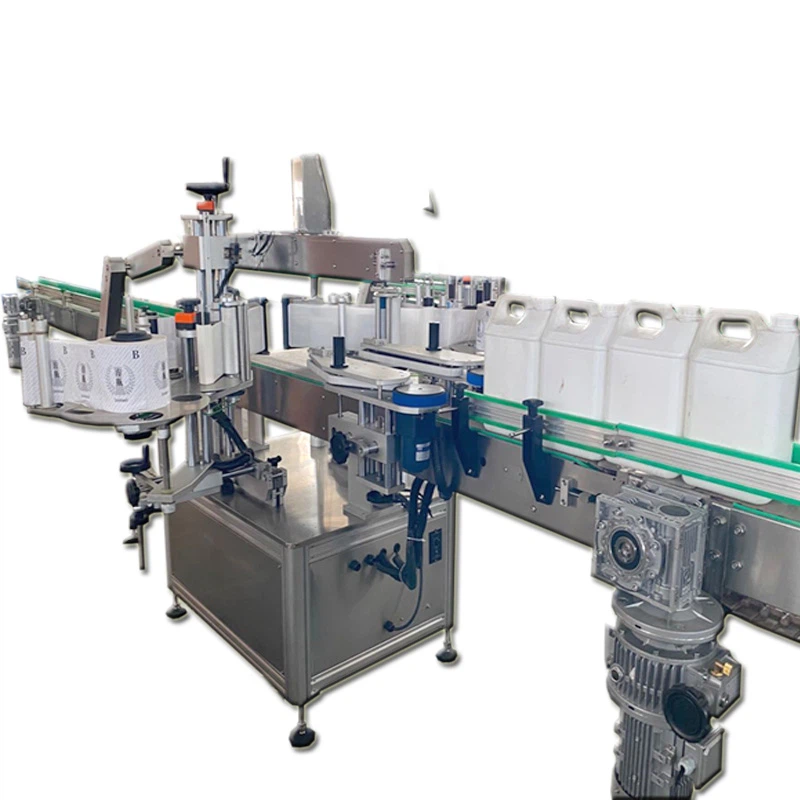
Proper labeling is important for any water treatment system. You need to label different components, pipes, and valves to make it easy to understand and maintain the system. For this, you can use Single - sided Self - adhesive Labeling Machine or Double - sided Self - adhesive Labeling Machine.
A single - sided labeling machine is great for labeling individual components on one side. It can print clear and accurate labels with important information like the name of the component, flow direction, and maintenance instructions. A double - sided labeling machine, on the other hand, can label both sides of a component or a pipe, which is useful for larger systems where you need to provide more information from different angles.
8. Testing Kits
Testing kits are used to check the quality of water before and after the treatment. You can test for things like pH levels, chlorine content, hardness, and the presence of contaminants. There are different types of testing kits available, from simple test strips to more advanced electronic testers.
Test strips are easy to use. You just dip the strip into the water sample, and it changes color according to the level of the substance you're testing for. Electronic testers are more accurate and can provide more detailed information. They are especially useful for professional installations where precise water quality analysis is required.
So, there you have it, the essential tools you need to install a water treatment system. As a water treatment system supplier, I can tell you that having these tools on hand will make the installation process much smoother and ensure that your system works efficiently for years to come.
If you're in the market for a water treatment system or need more advice on installation tools, feel free to reach out. We're here to help you make the best choices for your water treatment needs.
References
- "The Homeowner's Guide to Water Treatment Systems" by John Smith
- "Plumbing Handbook" by Mark Johnson