

As a leading supplier of water treatment systems, I've seen firsthand the challenges that sulfur in water can pose. Sulfur in water is not just an aesthetic problem; it can also have detrimental effects on the quality of life and the lifespan of plumbing systems. In this blog, I'll walk you through the process of removing sulfur from water, sharing insights and solutions that we've developed over the years.
Understanding the Problem: Why is Sulfur in Water a Concern?
Sulfur in water typically manifests as hydrogen sulfide gas, which gives water a distinct "rotten egg" smell. This odor can be off - putting and make the water unpalatable for drinking or cooking. Beyond the smell, sulfur can also cause staining on fixtures and appliances. It can corrode pipes, leading to leaks and costly repairs over time. Additionally, high levels of sulfur can interfere with the effectiveness of soaps and detergents, making it difficult to get clothes and dishes clean.
Step 1: Water Testing
The first step in any water treatment process is to understand the composition of the water. We offer comprehensive water testing services that can accurately measure the concentration of sulfur and other contaminants in your water. This testing is crucial because different levels of sulfur may require different treatment methods. For example, low - level sulfur contamination might be treated with a simple carbon filter, while higher levels may need more advanced oxidation or chemical treatment.
Step 2: Choosing the Right Treatment Method
Aeration
Aeration is a common method for removing sulfur from water. This process involves introducing air into the water, which causes the hydrogen sulfide gas to be released into the air. There are several types of aeration systems, including diffused aeration and spray aeration. In diffused aeration, air is bubbled through the water using a diffuser, while in spray aeration, water is sprayed into the air, allowing the gas to escape. Aeration is effective for low to moderate levels of sulfur contamination and is relatively cost - effective.
Oxidation
Oxidation is another effective method for sulfur removal. This process involves adding an oxidizing agent, such as chlorine, hydrogen peroxide, or potassium permanganate, to the water. The oxidizing agent reacts with the hydrogen sulfide, converting it into elemental sulfur, which can then be filtered out. Oxidation is suitable for higher levels of sulfur contamination but requires careful control of the oxidizing agent dosage to avoid over - treatment.
Filtration
Filtration is often used in conjunction with aeration or oxidation to remove the precipitated sulfur from the water. There are different types of filters available, including activated carbon filters, manganese greensand filters, and reverse osmosis membranes. Activated carbon filters are effective at removing the sulfur odor and some of the sulfur compounds. Manganese greensand filters are designed to catalyze the oxidation of hydrogen sulfide and trap the resulting sulfur particles. Reverse osmosis membranes can remove a wide range of contaminants, including sulfur, by forcing water through a semi - permeable membrane.
Step 3: System Installation
Once the appropriate treatment method has been selected, our team of experts will install the water treatment system. We ensure that the system is properly sized and configured for your specific water quality and usage requirements. Our installation process is carried out with precision, and we take care to minimize disruption to your daily life.
Step 4: System Maintenance
Regular maintenance is essential to keep the water treatment system operating effectively. This includes replacing filters, checking the chemical levels (if applicable), and inspecting the system for any signs of wear or damage. We offer maintenance packages to our customers, ensuring that their water treatment systems are always in top - notch condition.

Additional Considerations
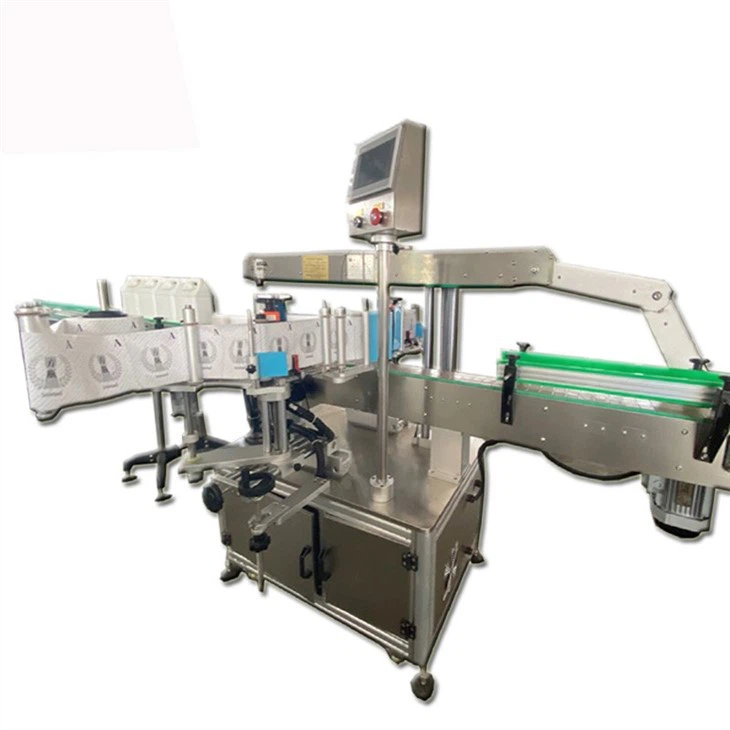
When it comes to water treatment systems, we also understand the importance of labeling the components correctly. For this purpose, you might be interested in Self - adhesive Labeling Machine or Single - sided Self - adhesive Labeling Machine. These machines can help you label your water treatment system components accurately, making it easier to identify and maintain them.
Conclusion
Removing sulfur from water is a multi - step process that requires careful testing, the right treatment method, proper installation, and regular maintenance. As a water treatment system supplier, we are committed to providing our customers with high - quality solutions that effectively remove sulfur and other contaminants from their water. If you're experiencing problems with sulfur in your water or are interested in upgrading your water treatment system, we encourage you to reach out to us. Our team of experts is ready to discuss your needs and provide you with a customized solution. Contact us today to start the process of getting clean, sulfur - free water.
References
- AWWA (American Water Works Association). Water Quality and Treatment: A Handbook of Community Water Supplies.
- USEPA (United States Environmental Protection Agency). Drinking Water Regulations and Health Advisories.