

In the dynamic world of the beverage industry, a well - functioning beverage dispensing system is crucial for ensuring a consistent and high - quality product delivery. One of the most critical factors that can make or break the performance of such a system is the pressure requirement. As a leading beverage dispensing system supplier, I have witnessed firsthand the impact that proper pressure management can have on the overall operation and customer satisfaction. In this blog, we will delve into the intricacies of the pressure requirements for a beverage dispensing system.
Understanding the Basics of Pressure in Beverage Dispensing
Pressure in a beverage dispensing system serves multiple purposes. Firstly, it is responsible for moving the beverage from the storage container to the dispensing point. Whether it's a keg of beer, a bag - in - box of juice, or a carbonated soft drink canister, pressure provides the force needed to push the liquid through the tubing and out of the faucet.
Secondly, pressure plays a vital role in maintaining the carbonation levels in carbonated beverages. For carbonated drinks like soda and beer, the right pressure keeps the carbon dioxide (CO₂) dissolved in the liquid. If the pressure is too low, the CO₂ will start to come out of solution, resulting in a flat - tasting beverage. On the other hand, excessive pressure can lead to over - carbonation, causing the drink to foam excessively when dispensed.
Pressure Requirements for Different Types of Beverages
Carbonated Beverages
Carbonated beverages, such as cola, sparkling water, and beer, have specific pressure requirements to maintain their carbonation. For most carbonated soft drinks, the ideal pressure range is between 10 - 14 pounds per square inch (psi). This pressure is typically maintained using a CO₂ regulator attached to the CO₂ cylinder.
Beer, especially draft beer, has more complex pressure requirements. The pressure needed for beer depends on factors such as the type of beer, the temperature of the beer, and the length and diameter of the dispensing lines. Lagers, which are usually served at colder temperatures, typically require a pressure of around 10 - 12 psi. Ales, which are often served at slightly warmer temperatures, may need a pressure of 12 - 14 psi.
When setting up a beer dispensing system, it is essential to consider the height difference between the keg and the dispensing tap. This is known as the "head height." For every foot of head height, an additional 0.5 psi of pressure is required to overcome the force of gravity.

Non - Carbonated Beverages
Non - carbonated beverages, like fruit juices, iced tea, and still water, also require pressure to be dispensed effectively. However, the pressure requirements for these beverages are generally lower than those for carbonated drinks. For most non - carbonated beverages, a pressure of 5 - 8 psi is sufficient to ensure a smooth and consistent flow.
Factors Affecting Pressure Requirements
Temperature
Temperature has a significant impact on the pressure requirements of a beverage dispensing system. As the temperature of a beverage increases, the solubility of CO₂ in the liquid decreases. This means that at higher temperatures, more pressure is needed to keep the CO₂ dissolved in the beverage. For example, if a keg of beer is stored at a warmer temperature than recommended, the pressure in the system may need to be increased to prevent the beer from going flat.
Line Length and Diameter
The length and diameter of the dispensing lines also affect the pressure requirements. Longer lines create more resistance to the flow of the beverage, which means that more pressure is needed to push the liquid through the lines. Similarly, smaller - diameter lines also increase resistance and require higher pressure. When designing a beverage dispensing system, it is important to choose the appropriate line length and diameter based on the distance between the storage container and the dispensing point and the type of beverage being dispensed.
Dispensing Rate
The rate at which the beverage is dispensed also plays a role in determining the pressure requirements. If a high - volume dispensing is required, such as in a busy bar or restaurant during peak hours, a higher pressure may be needed to ensure a fast and consistent flow of the beverage. Conversely, for low - volume dispensing, lower pressure may be sufficient.
Ensuring Proper Pressure in a Beverage Dispensing System
As a beverage dispensing system supplier, we understand the importance of ensuring proper pressure in the system. We offer a range of high - quality pressure regulators and gauges that can be used to monitor and adjust the pressure accurately.
Our pressure regulators are designed to provide a stable and consistent pressure output, regardless of the fluctuations in the input pressure from the CO₂ cylinder. They are easy to install and adjust, allowing operators to fine - tune the pressure according to the specific requirements of the beverage being dispensed.
In addition to pressure regulators, we also provide comprehensive training and support to our customers. Our team of experts can assist in setting up the beverage dispensing system correctly, including determining the appropriate pressure settings based on the type of beverage, temperature, line length, and dispensing rate.
The Role of Labeling Machines in the Beverage Industry
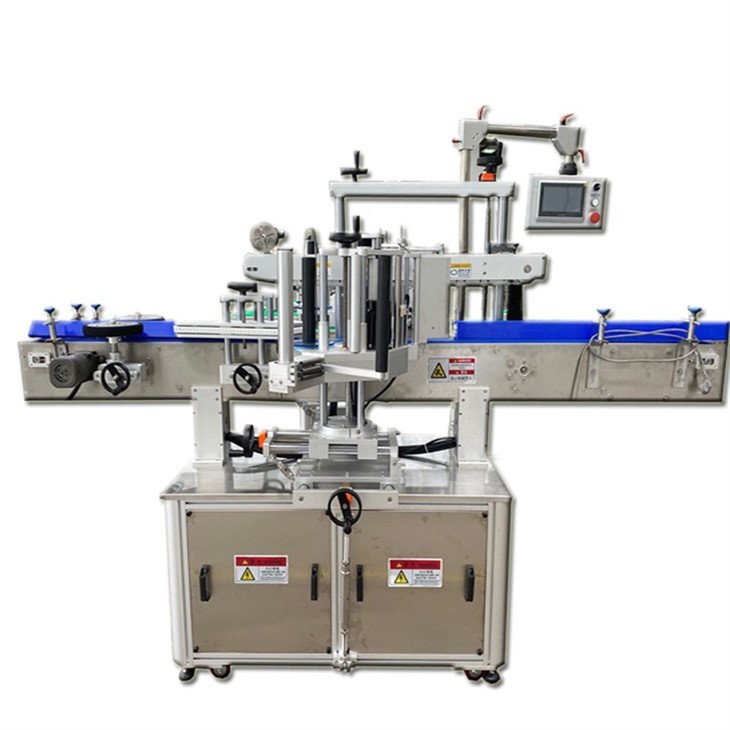
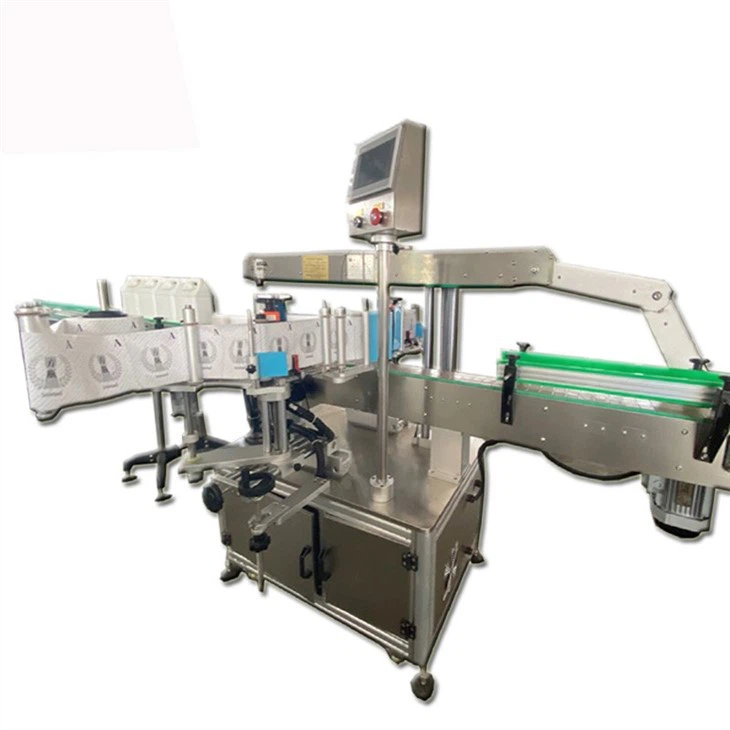
While pressure is a critical aspect of a beverage dispensing system, labeling is also an important part of the beverage packaging process. We also offer a variety of labeling machines to meet the diverse needs of our customers. Our Double - sided Self - adhesive Labeling Machine is designed to apply labels to both sides of the beverage container accurately and efficiently. This machine is suitable for a wide range of container shapes and sizes, including bottles, cans, and jars.
For those who only need to label one side of the container, our Single - sided Self - adhesive Labeling Machine is an excellent choice. It is a compact and cost - effective solution that can be easily integrated into existing production lines.

Conclusion
In conclusion, understanding the pressure requirements for a beverage dispensing system is essential for ensuring the quality and consistency of the dispensed beverages. Whether it's a carbonated or non - carbonated beverage, the right pressure is crucial for proper flow, carbonation maintenance, and customer satisfaction.
As a beverage dispensing system supplier, we are committed to providing our customers with high - quality products and comprehensive support. Our range of pressure regulators, gauges, and labeling machines are designed to meet the diverse needs of the beverage industry.
If you are in the market for a beverage dispensing system or labeling machines, we invite you to contact us for a detailed discussion. Our team of experts will be happy to assist you in choosing the right products for your specific requirements and provide you with the best solutions for your business.
References
- "Beverage Dispensing Systems: Principles and Practices" - A comprehensive guide on the operation and maintenance of beverage dispensing systems.
- "The Science of Carbonation in Beverages" - Research paper on the relationship between pressure, temperature, and carbonation in carbonated beverages.