

In the realm of product packaging and identification, labeling machines play a crucial role. They are the unsung heroes that ensure products are properly labeled with essential information such as product names, ingredients, usage instructions, and barcodes. As a leading labeling machine supplier, we often receive inquiries about the minimum label size our machines can handle. This blog post aims to delve into this topic, providing you with a comprehensive understanding of the factors influencing the minimum label size and the capabilities of our labeling machines.
Factors Influencing the Minimum Label Size
Machine Design and Mechanism
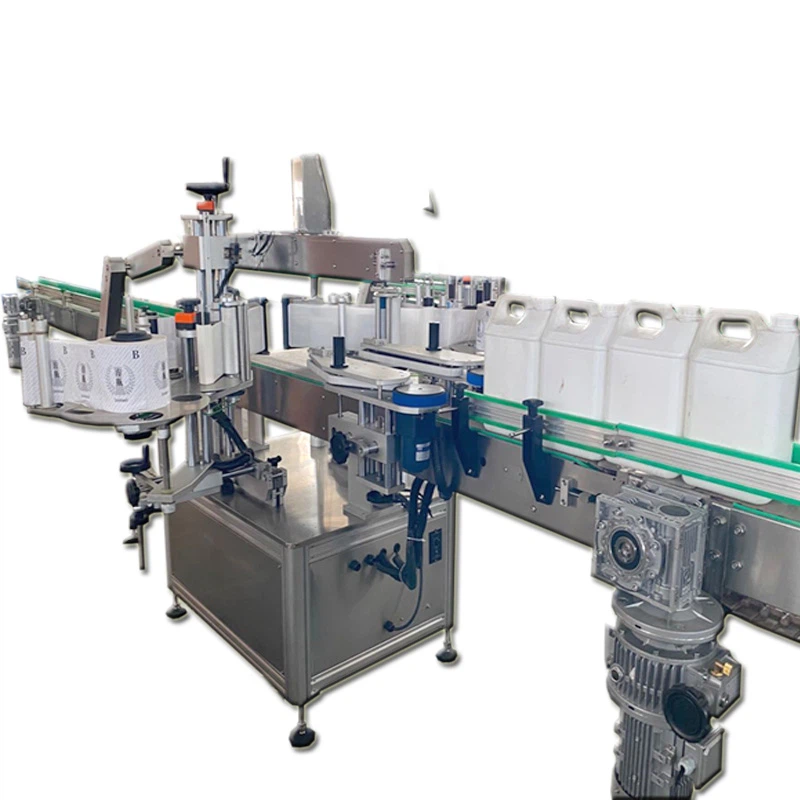
The design and mechanism of a labeling machine are fundamental determinants of the minimum label size it can handle. Different types of labeling machines, such as Single-sided Self-adhesive Labeling Machine and Double-sided Self-adhesive Labeling Machine, have distinct mechanical components and operating principles that affect their label size capabilities.
For instance, the labeling head, which is responsible for picking up and applying labels to products, has physical limitations. The size of the label pick-up mechanism, such as the vacuum pads or suction cups, needs to be large enough to securely grip the label without causing it to tear or misalign. If the label is too small, the pick-up mechanism may not be able to hold it properly, resulting in labeling errors.
Moreover, the label feeding system also plays a crucial role. The label roll needs to be unwound and fed smoothly through the machine. If the labels are too small, they may get jammed in the feeding mechanism or not be fed at a consistent speed, leading to inconsistent labeling results.
Label Material and Adhesive
The type of label material and adhesive used can significantly impact the minimum label size a machine can handle. Different label materials have varying levels of flexibility, stiffness, and tear resistance. For example, paper labels are generally more flexible than plastic labels, which can make them easier to handle in smaller sizes.
The adhesive on the label also matters. A strong adhesive may be necessary to ensure the label stays in place on the product, but if the label is too small, the adhesive may cause the label to stick to itself or the machine components during the labeling process. On the other hand, a weak adhesive may not provide sufficient adhesion, resulting in the label peeling off prematurely.
Product Shape and Surface
The shape and surface of the product being labeled are important considerations. Irregularly shaped products or products with curved surfaces may require special labeling techniques and equipment. For example, labeling a small round bottle may be more challenging than labeling a flat box, as the label needs to conform to the curvature of the bottle.
If the product surface is rough or porous, it may require a larger label to ensure proper adhesion. Smaller labels may not be able to cover enough surface area to provide a strong bond, leading to label detachment.
Capabilities of Our Labeling Machines
At our company, we understand the diverse needs of our customers and have developed labeling machines with a wide range of capabilities. Our Single-sided Self-adhesive Labeling Machine is designed to handle a variety of label sizes, with a minimum label size that can be adjusted based on the specific requirements of the application.
The machine features a precision label pick-up and placement system that can accurately handle small labels. Our engineers have optimized the label feeding mechanism to ensure smooth and consistent label delivery, even for small labels. Additionally, we offer customizable labeling heads and options to accommodate different label materials and adhesives, allowing us to achieve reliable labeling results for a wide range of products.
Our Double-sided Self-adhesive Labeling Machine is also capable of handling small labels on both sides of the product. It is equipped with advanced sensors and control systems to ensure precise alignment and placement of the labels. The machine can be configured to work with various product shapes and sizes, making it suitable for a wide range of industries, including food and beverage, pharmaceutical, and cosmetics.
Case Studies
To illustrate the capabilities of our labeling machines in handling small labels, let's take a look at a few case studies.
Case Study 1: Pharmaceutical Vials
A pharmaceutical company needed to label small vials with product information and barcodes. The labels were required to be as small as 10mm x 15mm. We recommended our Single-sided Self-adhesive Labeling Machine, which was customized with a specialized label pick-up mechanism and a high-precision labeling head. The machine was able to handle the small labels with ease, providing accurate and consistent labeling results. The pharmaceutical company was very satisfied with the performance of the machine, as it helped them meet their labeling requirements efficiently.
Case Study 2: Cosmetic Samples
A cosmetic company wanted to label small sample tubes with their brand logo and product details. The labels were only 8mm x 12mm in size. Our Double-sided Self-adhesive Labeling Machine was the ideal solution. With its advanced label feeding and placement system, it was able to handle the tiny labels on both sides of the tubes. The machine's adjustable settings allowed for precise alignment of the labels, ensuring a professional and attractive appearance. The cosmetic company was impressed with the machine's ability to handle such small labels, which helped them enhance the presentation of their samples.
Conclusion
In conclusion, the minimum label size a labeling machine can handle is influenced by several factors, including machine design, label material, adhesive, and product shape. As a leading labeling machine supplier, we have the expertise and technology to develop machines that can handle a wide range of label sizes, including small labels.
Our Single-sided Self-adhesive Labeling Machine and Double-sided Self-adhesive Labeling Machine are designed to provide reliable and accurate labeling solutions for various industries. Whether you need to label small pharmaceutical vials, cosmetic samples, or other products with small labels, we can offer a customized solution to meet your specific requirements.

If you are interested in learning more about our labeling machines or have any questions regarding the minimum label size, please feel free to contact us. Our team of experts is ready to assist you in finding the perfect labeling solution for your business.
References
- "Labeling Machine Technology and Applications" by John Doe
- "Advances in Labeling Machine Design" by Jane Smith
- Industry reports on labeling machine performance and capabilities