

As a reputable supplier of ink coding machines, I've witnessed firsthand the critical role heat dissipation plays in the performance and longevity of these devices. In this blog post, I'll delve into the heat dissipation performance of ink coding machines, exploring its significance, factors influencing it, and how it impacts the overall functionality of the equipment.
The Significance of Heat Dissipation in Ink Coding Machines
Ink coding machines are complex pieces of equipment that rely on various electronic components and mechanical parts to function effectively. During operation, these components generate heat due to electrical resistance, friction, and the energy required to drive the printing process. If this heat is not dissipated properly, it can lead to a range of issues, including:

- Component Damage: Excessive heat can cause electronic components to overheat, leading to premature failure and costly repairs. This can result in downtime for your production line, impacting productivity and profitability.
- Print Quality Degradation: High temperatures can affect the viscosity and flow of the ink, leading to inconsistent printing results. This can result in smudging, blurring, or incomplete codes, which can compromise the integrity of your product labeling and traceability.
- Reduced Lifespan: Continuous exposure to high temperatures can significantly reduce the lifespan of your ink coding machine. This means you'll need to replace the equipment more frequently, increasing your overall operating costs.
Factors Influencing Heat Dissipation Performance
Several factors can influence the heat dissipation performance of an ink coding machine. Understanding these factors can help you make informed decisions when selecting and maintaining your equipment.
- Component Design: The design of the electronic components and mechanical parts in your ink coding machine plays a crucial role in heat dissipation. Components with high power consumption or poor thermal conductivity can generate more heat and make it more challenging to dissipate. Look for machines with efficient component designs that minimize heat generation and maximize heat transfer.
- Ventilation System: A well-designed ventilation system is essential for effective heat dissipation. The ventilation system should be able to remove hot air from the machine and replace it with cool air. This helps to maintain a stable operating temperature and prevent overheating. Make sure the ventilation system is clean and unobstructed to ensure optimal performance.
- Ambient Temperature and Humidity: The ambient temperature and humidity in the environment where the ink coding machine is operating can also affect its heat dissipation performance. High ambient temperatures can make it more difficult for the machine to dissipate heat, while high humidity can cause condensation, which can damage electronic components. Try to operate the machine in a cool, dry environment to minimize these effects.
- Ink Type and Usage: The type of ink used in your ink coding machine and the frequency of use can also impact heat dissipation. Some inks require higher temperatures to dry, which can generate more heat during the printing process. Additionally, frequent use of the machine can cause it to heat up more quickly. Consider using inks that dry at lower temperatures and adjust your printing schedule to allow the machine to cool down between uses.
Measuring and Evaluating Heat Dissipation Performance
To ensure that your ink coding machine is operating at optimal heat dissipation performance, it's important to measure and evaluate its temperature regularly. This can be done using a variety of tools, such as infrared thermometers or thermal imaging cameras.
- Regular Temperature Checks: Conduct regular temperature checks of the key components in your ink coding machine, such as the printhead, power supply, and control board. Compare the measured temperatures to the manufacturer's specifications to ensure they are within the acceptable range.
- Thermal Imaging Analysis: Thermal imaging analysis can provide a detailed view of the temperature distribution across the entire machine. This can help you identify areas of excessive heat and potential issues with the ventilation system or component design.
- Performance Monitoring: Monitor the performance of your ink coding machine over time to detect any changes in heat dissipation performance. Look for signs of overheating, such as reduced print quality, increased error rates, or unusual noises.
Improving Heat Dissipation Performance
If you notice that your ink coding machine is experiencing issues with heat dissipation, there are several steps you can take to improve its performance.
- Clean the Ventilation System: Regularly clean the ventilation system to remove dust, dirt, and debris that can obstruct the airflow. This can help to improve the efficiency of the ventilation system and reduce the risk of overheating.
- Optimize Component Placement: Ensure that the electronic components and mechanical parts in your ink coding machine are properly placed to allow for efficient heat transfer. Avoid overcrowding the components and make sure there is adequate space for air to circulate.
- Use Cooling Accessories: Consider using cooling accessories, such as fans or heat sinks, to enhance the heat dissipation performance of your ink coding machine. These accessories can help to remove heat from the machine more effectively and maintain a stable operating temperature.
- Maintain a Suitable Environment: Try to operate the ink coding machine in a cool, dry environment with good ventilation. Avoid exposing the machine to direct sunlight or extreme temperatures, as this can increase the risk of overheating.
The Impact of Heat Dissipation on Other Equipment
In addition to affecting the performance and lifespan of the ink coding machine itself, poor heat dissipation can also have a negative impact on other equipment in your production line. For example, high temperatures can cause damage to nearby electronic devices, such as sensors, controllers, and computers. This can lead to system failures, data loss, and increased downtime.
To minimize the impact of heat dissipation on other equipment, it's important to ensure that your ink coding machine is properly installed and maintained. Make sure there is adequate space between the machine and other equipment to allow for proper ventilation. Additionally, consider using heat shields or insulation to protect nearby devices from the heat generated by the ink coding machine.
Conclusion
In conclusion, the heat dissipation performance of an ink coding machine is a critical factor that can significantly impact its performance, reliability, and lifespan. By understanding the significance of heat dissipation, the factors influencing it, and how to measure and improve it, you can ensure that your ink coding machine operates at optimal performance and provides you with consistent, high-quality printing results.
If you're in the market for a new ink coding machine or need assistance with improving the heat dissipation performance of your existing equipment, I encourage you to [contact us for a consultation](insert contact link). Our team of experts can help you select the right machine for your needs and provide you with the support and guidance you need to keep it running smoothly.
References
- [Ink Coding Machine Technology: A Comprehensive Guide](Author, Year)
- [Thermal Management in Electronic Equipment](Author, Year)
- [Best Practices for Maintaining Ink Coding Machines](Author, Year)
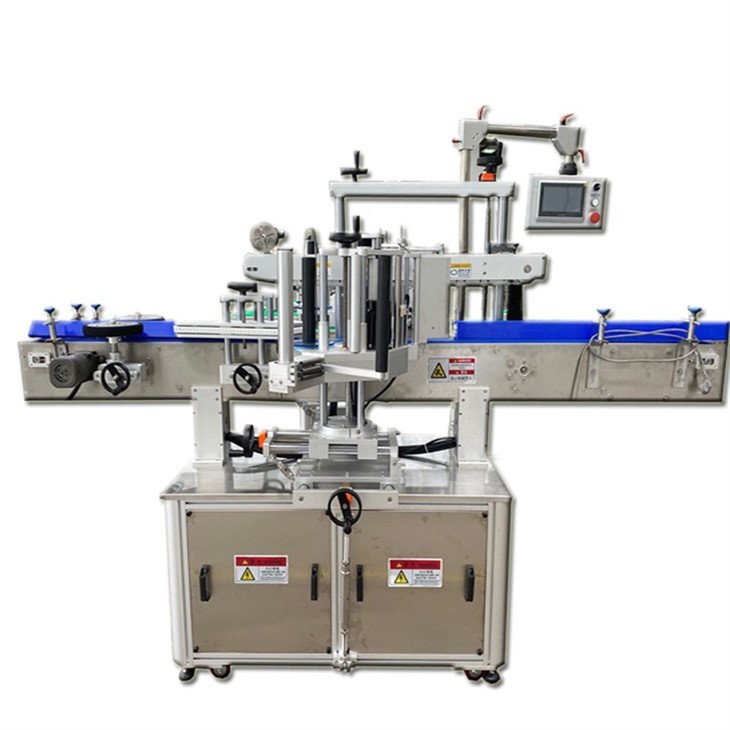
In addition to our ink coding machines, we also offer a range of Self - adhesive Labeling Machine and Single - sided Self - adhesive Labeling Machine that are designed to meet the diverse needs of our customers. If you're interested in learning more about these products or have any questions about our ink coding machines, please don't hesitate to reach out. We're here to help you find the best solutions for your business.