

Hey there! As a supplier of ink coding machines, I often get asked about all sorts of things related to these nifty devices. One question that pops up quite a bit is, "What is the glossiness of the ink printed by an ink coding machine?" Well, let's dive right into it.
First off, glossiness in the context of ink printed by an ink coding machine refers to how shiny or reflective the printed ink appears. It's not just about looks; glossiness can have a big impact on the overall quality and readability of the printed codes, as well as the durability of the print.
There are a few factors that can affect the glossiness of the ink. The type of ink itself plays a huge role. Different inks are formulated with various resins, solvents, and pigments, and these components can determine the level of gloss. For example, some inks are designed to have a high - gloss finish, which gives a really sleek and professional look. These are great for products where you want the coding to stand out and look premium. On the other hand, there are also matte - finish inks. These have a lower gloss level and a more subdued appearance. They're often used when you want the coding to blend in a bit more or when a high - gloss finish might cause glare in certain lighting conditions.
The surface on which the ink is printed is another important factor. If you're printing on a smooth, non - porous surface like glass or some types of plastic, the ink is more likely to spread evenly and result in a higher gloss finish. The smooth surface allows the ink to form a more continuous film, which reflects light more uniformly, giving that shiny look. In contrast, if you're printing on a rough or porous surface such as cardboard or some untreated wood, the ink may soak into the material more, resulting in a lower gloss level. The uneven absorption can break up the ink film and reduce the reflectivity.
The settings of the ink coding machine also matter. The amount of ink applied can affect glossiness. If too much ink is applied, it might pool or not dry properly, leading to an uneven and potentially lower - quality gloss finish. On the other hand, if too little ink is used, the print may be faint and lack the desired gloss. The speed of the printing process can also play a role. A slower printing speed might allow the ink to dry more evenly and potentially result in a better - looking gloss, while a very fast speed could cause issues with ink distribution and drying.
Now, why does glossiness matter for businesses? Well, for one, it can enhance brand image. A high - gloss print on a product can give the impression of a high - quality, well - made item. It can make your product stand out on the shelf and attract more customers. For example, if you're coding a luxury cosmetic product, a high - gloss ink print can add to the overall luxury feel of the brand.
In terms of functionality, glossiness can also affect the durability of the print. A high - gloss ink film is often more resistant to abrasion and chemicals. This means that the printed codes are less likely to get scratched off or damaged during handling, storage, or transportation. This is crucial for products that need to maintain clear and legible coding throughout their lifecycle, such as food products with expiration dates or medical devices with serial numbers.
As an ink coding machine supplier, we understand the importance of getting the right glossiness for your specific needs. That's why we offer a wide range of ink options with different gloss levels. Whether you need a high - gloss finish for maximum visual impact or a matte finish for a more understated look, we've got you covered.
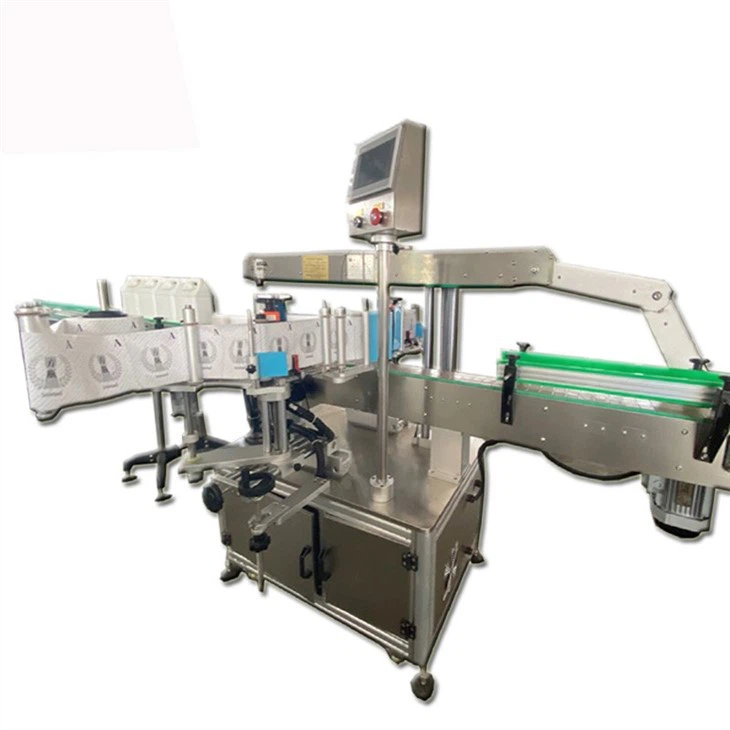
And speaking of our product range, we also offer other related machines. If you're in the market for labeling machines, we've got some great options. Check out our Double-sided Self-adhesive Labeling Machine and Single-sided Self-adhesive Labeling Machine. These machines can work in tandem with our ink coding machines to provide a complete packaging solution for your products.

If you're interested in learning more about our ink coding machines and how we can help you achieve the perfect glossiness for your printing needs, don't hesitate to reach out. We're here to assist you in finding the best solutions for your business. Whether you're a small startup or a large corporation, we've got the expertise and products to meet your requirements.
In conclusion, the glossiness of the ink printed by an ink coding machine is influenced by multiple factors including the type of ink, the printing surface, and the machine settings. Understanding these factors can help you make informed decisions about your printing process and achieve the best results for your business. So, if you're looking to improve your product coding and labeling, give us a shout. We're ready to partner with you and take your business to the next level.
References:
- "Ink Technology Handbook" - A comprehensive guide on different types of inks and their properties.
- "Printing on Different Surfaces: Best Practices" - A research paper that discusses how surface characteristics affect print quality and appearance.