

As a seasoned supplier in the water treatment system industry, I've witnessed firsthand the remarkable evolution of this field. Water treatment systems are not just a necessity; they are the guardians of our most precious resource - water. In this blog, I'll explore the future development trends of water treatment systems, drawing on industry insights and our company's experiences.
1. Technological Advancements
1.1 Nanotechnology
Nanotechnology is set to revolutionize water treatment. By using nanomaterials, such as carbon nanotubes and nanoparticles, we can achieve highly efficient removal of contaminants. These materials have unique properties, like large surface areas and high reactivity, which enable them to capture and remove even the smallest pollutants. For example, nanofiltration membranes can selectively remove specific ions and molecules, providing a more precise and effective water treatment solution. This technology will not only improve the quality of treated water but also reduce the energy consumption of water treatment processes.
1.2 Smart Sensors and IoT Integration
The integration of smart sensors and the Internet of Things (IoT) is another significant trend. Smart sensors can continuously monitor water quality parameters, such as pH, turbidity, and the presence of contaminants. These sensors can transmit real - time data to a central control system, allowing for immediate adjustments to the water treatment process. With IoT technology, water treatment systems can be remotely monitored and controlled, improving operational efficiency and reducing the need for on - site personnel. For instance, if a sensor detects a sudden increase in pollutant levels, the system can automatically adjust the dosage of chemicals or increase the filtration rate.
1.3 Advanced Oxidation Processes
Advanced oxidation processes (AOPs) are becoming increasingly important in water treatment. These processes use powerful oxidants, such as ozone and hydrogen peroxide, to break down organic contaminants into harmless substances. AOPs are particularly effective in removing persistent organic pollutants, such as pharmaceuticals and personal care products, which are difficult to remove using traditional treatment methods. In the future, we can expect to see more widespread use of AOPs in combination with other treatment technologies to achieve higher - quality water treatment.
2. Sustainability
2.1 Energy - Efficient Designs
Energy consumption is a major concern in water treatment. Future water treatment systems will focus on energy - efficient designs. For example, the use of low - energy membranes and pumps can significantly reduce the energy required for water treatment. Additionally, the integration of renewable energy sources, such as solar and wind power, can further reduce the carbon footprint of water treatment plants. Some modern water treatment plants are already using solar panels to power their operations, and this trend is likely to continue to grow.
2.2 Resource Recovery
Resource recovery from wastewater is an emerging trend. Instead of simply treating wastewater and discharging it, future water treatment systems will aim to recover valuable resources, such as nutrients (nitrogen and phosphorus) and water itself. These resources can be reused in various applications, such as agriculture and industrial processes. For example, nutrient - rich sludge from wastewater treatment can be processed into fertilizers, reducing the need for chemical fertilizers.
2.3 Green Materials
The use of green materials in water treatment systems is also on the rise. Green materials are environmentally friendly and sustainable alternatives to traditional materials. For example, bio - based polymers can be used in membrane manufacturing, reducing the environmental impact of the production process. Additionally, natural adsorbents, such as activated carbon derived from biomass, can be used to remove contaminants from water.
3. Customization and Modularization
3.1 Custom - Designed Systems
Different industries and regions have unique water treatment needs. Future water treatment systems will be more customized to meet these specific requirements. For example, the water treatment requirements of a pharmaceutical factory are very different from those of a municipal water supply. By offering custom - designed systems, we can ensure that our customers get the most effective and efficient water treatment solutions.
3.2 Modular Systems
Modular water treatment systems are becoming more popular. These systems consist of pre - fabricated modules that can be easily assembled and disassembled. Modular systems offer several advantages, such as shorter installation times, easier maintenance, and the ability to expand or modify the system as needed. For example, a small - scale water treatment plant can start with a basic set of modules and gradually add more modules as the water demand increases.
4. Regulatory and Social Pressures
4.1 Stricter Regulations
Governments around the world are implementing stricter regulations regarding water quality. These regulations require water treatment systems to achieve higher levels of contaminant removal. As a result, water treatment system suppliers need to continuously innovate to meet these regulatory requirements. For example, new regulations may limit the levels of heavy metals and emerging contaminants in drinking water, forcing the development of more advanced treatment technologies.
4.2 Public Awareness
Public awareness of water quality issues is also increasing. Consumers are more concerned about the safety and quality of the water they use. This social pressure is driving the demand for better water treatment systems. As a supplier, we need to respond to this demand by providing high - quality, reliable water treatment solutions.
5. Market Trends
5.1 Growing Demand in Developing Countries
Developing countries are experiencing rapid urbanization and industrialization, which is leading to an increasing demand for water treatment systems. These countries often face challenges such as poor water infrastructure and limited access to clean water. By providing affordable and effective water treatment systems, we can help these countries improve their water quality and public health.
5.2 Expansion in Industrial Applications
The industrial sector is a major consumer of water, and there is a growing demand for water treatment systems in industrial applications. Industries such as food and beverage, electronics, and power generation require high - quality water for their production processes. Water treatment systems can help these industries reduce water consumption, improve product quality, and comply with environmental regulations.
Conclusion
The future of water treatment systems is full of opportunities and challenges. Technological advancements, sustainability, customization, regulatory pressures, and market trends will all shape the development of this industry. As a water treatment system supplier, we are committed to staying at the forefront of these trends and providing our customers with the best possible water treatment solutions.
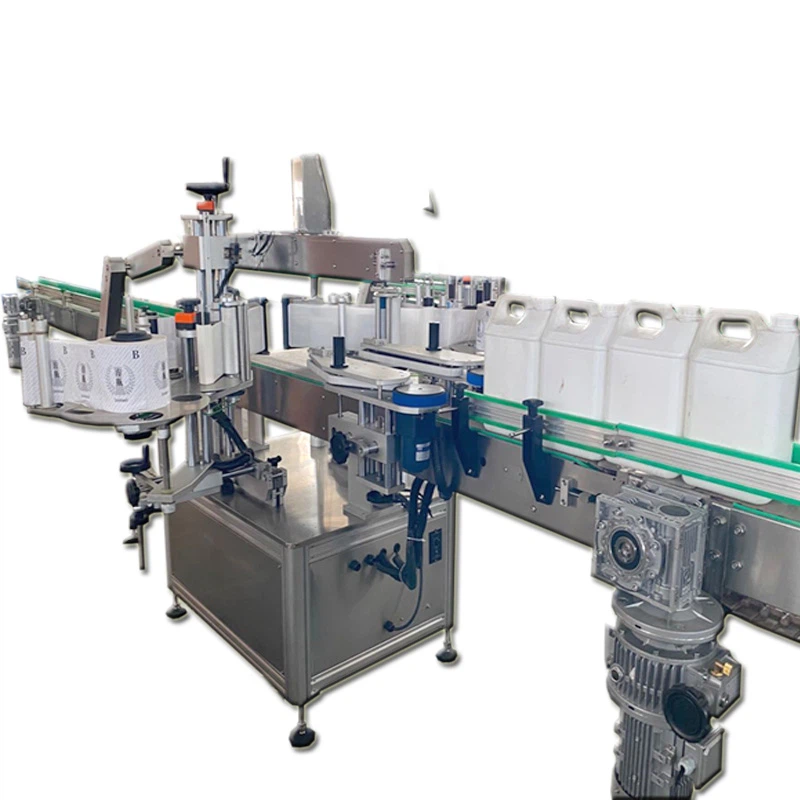
If you are interested in Single - sided Self - adhesive Labeling Machine or Double - sided Self - adhesive Labeling Machine, which are also important in the packaging and identification processes related to our water treatment products, or if you have any water treatment system needs, please feel free to contact us for procurement and negotiation. We look forward to working with you to address your water treatment challenges and achieve your water quality goals.

References
- American Water Works Association. (2020). Water Treatment Plant Design.
- World Health Organization. (2017). Guidelines for Drinking - Water Quality.
- National Research Council. (2006). Water Desalination: A National Perspective.