

Hey there! As a supplier of beverage dispensing systems, I often get asked about the cooling mechanism in these systems. It's a fascinating topic, so I thought I'd take a deep dive into it and share all the details with you.
Understanding the Basics of Beverage Dispensing Cooling
First off, let's talk about why cooling is so important in a beverage dispensing system. Whether it's soda, beer, or any other chilled drink, customers want their beverages cold. A proper cooling mechanism ensures that the drinks are served at the right temperature, which not only enhances the taste but also maintains the quality and carbonation of carbonated beverages.
There are generally two main types of cooling systems used in beverage dispensing: direct cooling and remote cooling.
Direct Cooling
Direct cooling is the most common method used in smaller beverage dispensing setups, like those in home bars or small cafes. In this system, the cooling unit is directly attached to the dispensing equipment. For example, in a countertop soda dispenser, the cooling coils are built right into the unit.
The way it works is pretty straightforward. The refrigerant, a special fluid with excellent heat-absorbing properties, circulates through the cooling coils. As the warm beverage passes through these coils, the refrigerant absorbs the heat from the drink, cooling it down. The compressor in the cooling unit then compresses the refrigerant, which releases the heat it absorbed outside the system. This cycle repeats continuously to keep the beverage at the desired temperature.
One of the advantages of direct cooling is its simplicity. It's relatively easy to install and maintain, and it's cost-effective for small-scale operations. However, it does have some limitations. The cooling capacity is limited, so it may not be suitable for high-volume dispensing. Also, since the cooling unit is right next to the dispensing area, it can generate some noise and heat, which might be a bit of a nuisance in a small space.
Remote Cooling
Remote cooling systems are typically used in larger establishments, such as restaurants, bars, and stadiums. In this setup, the cooling unit is located away from the dispensing equipment, usually in a separate room or a dedicated mechanical area.

The main components of a remote cooling system include a large refrigeration unit, a glycol chiller, and a network of insulated pipes. The glycol, a non-toxic, anti-freezing fluid, is cooled by the refrigeration unit. This chilled glycol is then circulated through the pipes to the dispensing area. The beverage lines are wrapped around or placed inside these glycol - filled pipes, and the cold glycol transfers its coldness to the beverage, cooling it down before it reaches the tap.
The biggest advantage of remote cooling is its high cooling capacity. It can handle a large volume of beverage dispensing without a problem. Another plus is that the noise and heat generated by the refrigeration unit are kept away from the customer area, creating a more comfortable environment. However, it's more complex and expensive to install and maintain. You need to have the right space for the refrigeration unit, and the piping system requires careful design and installation to ensure efficient cooling.
Factors Affecting Cooling Efficiency
Several factors can affect the cooling efficiency of a beverage dispensing system.
Insulation: Good insulation is crucial. In both direct and remote cooling systems, the beverage lines and the cooling components need to be well - insulated. Insulation helps to prevent heat from entering the system, reducing the workload on the cooling unit and ensuring that the beverage stays cold. For example, in a remote cooling system, if the insulated pipes are not properly installed or if the insulation has deteriorated over time, the cold glycol will warm up as it travels to the dispensing area, and the beverage won't be cooled effectively.
Refrigerant Level: The right amount of refrigerant is essential for the cooling system to function properly. If there's too little refrigerant, the cooling capacity will be reduced, and the beverage may not reach the desired temperature. On the other hand, too much refrigerant can also cause problems, such as excessive pressure in the system, which can damage the compressor and other components. Regular checks and maintenance of the refrigerant level are necessary.
Ambient Temperature: The temperature of the surrounding environment also plays a significant role. In a hot environment, the cooling system has to work harder to remove the heat from the beverage. For example, if a dispensing system is placed in a room with a high ambient temperature, the direct cooling unit may not be able to cool the beverage as effectively, and the remote cooling system may need to run at a higher capacity, increasing energy consumption.
Our Beverage Dispensing Systems
As a supplier, we take pride in offering high - quality beverage dispensing systems with efficient cooling mechanisms. Our systems are designed to meet the needs of different customers, whether you're running a small coffee shop or a large event venue.
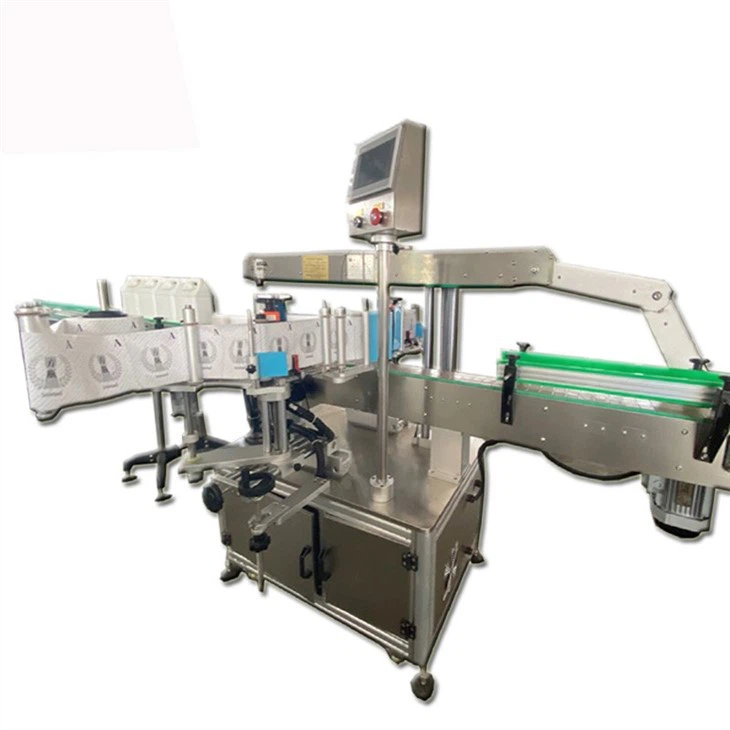
We also understand the importance of proper labeling for your products. If you're looking for a Single-sided Self-adhesive Labeling Machine or a Self-adhesive Labeling Machine, we can point you in the right direction. These machines can help you give your products a professional and eye - catching look.
Conclusion
In conclusion, the cooling mechanism in a beverage dispensing system is a critical component that can make or break the customer experience. Whether you opt for a direct cooling or a remote cooling system depends on your specific needs, such as the volume of beverage dispensing and the available space. By understanding the factors that affect cooling efficiency and choosing a high - quality system, you can ensure that your customers always enjoy a cold and refreshing drink.
If you're interested in our beverage dispensing systems or have any questions about the cooling mechanisms, don't hesitate to reach out. We're here to help you make the best choice for your business and ensure a smooth and successful operation.
References
- "Beverage Dispensing Systems: Principles and Practices" - A comprehensive guidebook on the design and operation of beverage dispensing equipment.
- "Refrigeration Technology for Food and Beverage Industries" - A technical resource that delves into the science behind refrigeration and its application in beverage cooling.