

Hey there! As a supplier of ink coding machines, I often get asked about the color fastness of the ink printed by these machines. So, I thought I'd take a few minutes to break it down and share some insights.
First off, let's talk about what color fastness actually means. In simple terms, color fastness refers to the ability of a color to resist fading, bleeding, or changing when exposed to various factors like light, water, chemicals, or friction. When it comes to ink coding machines, color fastness is crucial because the printed information needs to stay clear and legible for as long as possible.
There are several factors that can affect the color fastness of the ink used in ink coding machines. One of the most significant factors is the type of ink itself. There are different types of inks available, such as solvent-based, water-based, and UV-curable inks, each with its own characteristics and levels of color fastness.
Solvent-based inks are known for their excellent adhesion and durability, making them a popular choice for applications that require long-lasting and resistant prints. These inks contain solvents that evaporate quickly, leaving behind a solid film of ink on the surface. Solvent-based inks are often used for coding on materials like plastics, metals, and glass, where high color fastness is essential.
On the other hand, water-based inks are more environmentally friendly and safer to use compared to solvent-based inks. They are made with water as the main solvent and are less likely to emit harmful fumes. However, water-based inks may not have the same level of color fastness as solvent-based inks, especially when exposed to water or moisture. They are commonly used for coding on paper, cardboard, and other porous materials.
UV-curable inks are another option for ink coding machines. These inks are cured or hardened using ultraviolet light, which makes them extremely durable and resistant to fading, scratching, and chemical exposure. UV-curable inks are often used for high-quality and long-lasting prints on a variety of materials, including plastics, metals, and glass.
Another factor that can affect color fastness is the surface material on which the ink is printed. Different materials have different surface properties, such as porosity, smoothness, and chemical composition, which can impact how well the ink adheres and how resistant it is to fading. For example, printing on a smooth and non-porous surface like glass may result in better color fastness compared to printing on a rough and porous surface like paper.
The printing conditions also play a role in determining the color fastness of the ink. Factors such as the printing speed, ink viscosity, and drying time can all affect how well the ink adheres to the surface and how resistant it is to fading. It's important to optimize these printing conditions to ensure the best possible color fastness.
In addition to the type of ink, surface material, and printing conditions, external factors like light, heat, humidity, and chemicals can also affect the color fastness of the printed ink. Exposure to sunlight or other sources of UV radiation can cause the ink to fade over time, especially if the ink is not UV-resistant. High temperatures and humidity can also accelerate the fading process, as can contact with certain chemicals or solvents.
To ensure the best possible color fastness, it's important to choose the right type of ink for the specific application and surface material. It's also a good idea to conduct some tests to evaluate the color fastness of the ink under different conditions. This can help you determine if the ink meets your requirements and if any additional measures need to be taken to improve its durability.

At our company, we offer a wide range of ink coding machines and inks that are designed to provide high-quality and long-lasting prints. Our inks are carefully formulated to ensure excellent color fastness and adhesion on a variety of materials. Whether you need to code on plastics, metals, glass, paper, or cardboard, we have the right solution for you.
If you're interested in learning more about our ink coding machines and inks, or if you have any questions about color fastness, please don't hesitate to contact us. We'd be happy to help you find the best solution for your specific needs.
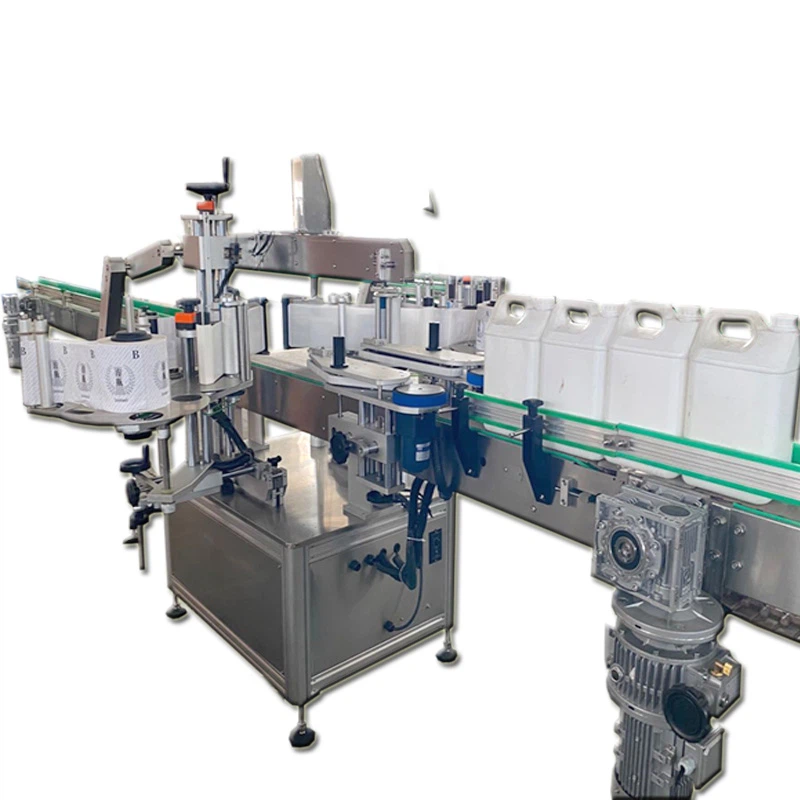
In addition to ink coding machines, we also offer a range of labeling machines, including Double-sided Self-adhesive Labeling Machine and Single-sided Self-adhesive Labeling Machine. These machines are designed to provide accurate and efficient labeling solutions for a variety of products and industries.
So, if you're in the market for an ink coding machine or a labeling machine, be sure to check out our products. We're confident that you'll find the right solution for your business.
Thanks for reading! If you have any comments or questions, feel free to leave them below. I'd love to hear from you.
References
- Textile Institute. (n.d.). Color Fastness. Retrieved from https://www.textileinstitute.org/knowledge-centre/technical-information/color-fastness
- Ink World Magazine. (n.d.). Understanding Ink Color Fastness. Retrieved from https://www.inkworld.com/understanding-ink-color-fastness
- Printing Industries of America. (n.d.). Color Fastness Testing. Retrieved from https://www.printing.org/color-fastness-testing