

Hey there! As a supplier of ink coding machines, I often get asked about the chemical resistance of the ink these machines print. It's a crucial aspect, especially when you're using the coded products in environments where they might come into contact with various chemicals. So, let's dive right in and explore what chemical resistance of the ink printed by an ink coding machine really means.
First off, what do we mean by chemical resistance? In simple terms, it's the ability of the ink to withstand the effects of different chemicals without losing its integrity, legibility, or adhesion. You don't want the ink to fade, smudge, or peel off when it meets substances like solvents, acids, alkalis, or even just regular cleaning agents.
The chemical resistance of the ink depends on several factors. One of the most important ones is the type of ink used. There are different kinds of inks available for ink coding machines, such as solvent-based, water-based, and UV-curable inks.
Solvent-based inks are known for their good chemical resistance. They have solvents that help the ink adhere well to the substrate and form a tough, durable film. These inks can withstand exposure to many common chemicals, making them a popular choice for applications where the coded products might encounter some rough conditions. For example, in the automotive industry, parts coded with solvent-based inks need to resist the oils, greases, and cleaning solvents used during manufacturing and maintenance.
Water-based inks, on the other hand, are more environmentally friendly. But their chemical resistance is generally not as good as solvent-based inks. They're more prone to damage from water and some chemicals. However, they're still a great option for applications where the coded products won't be exposed to harsh chemicals, like in the food and beverage industry for coding on packaging materials.
UV-curable inks are another interesting option. They dry very quickly when exposed to UV light, forming a hard and durable coating. These inks offer excellent chemical resistance, especially against solvents and abrasion. They're often used in industries where high-quality, long-lasting coding is required, such as electronics and medical device manufacturing.
Another factor that affects the chemical resistance of the ink is the substrate. Different materials react differently to chemicals, and this can impact how well the ink holds up. For instance, if you're coding on a plastic substrate, the ink's chemical resistance might be different compared to coding on metal or glass. Some plastics are more resistant to chemicals than others, and the ink needs to be compatible with the substrate to ensure good adhesion and long-term performance.
The printing process also plays a role. The way the ink is applied by the ink coding machine can affect its chemical resistance. If the ink is not applied evenly or if the thickness of the ink layer is not consistent, it can lead to weak spots where the chemicals can penetrate and damage the ink. That's why it's important to have a well-calibrated and properly maintained ink coding machine to ensure high-quality printing.
Now, let's talk about some real-world applications and how the chemical resistance of the ink matters. In the pharmaceutical industry, products need to be coded with information like batch numbers, expiration dates, and dosage instructions. These coded products are often stored in warehouses where they might be exposed to cleaning agents, humidity, and even some chemicals used in the manufacturing process. The ink used for coding needs to be highly resistant to these chemicals to ensure that the information remains legible throughout the product's shelf life.
In the food industry, coding on packaging materials is crucial for product identification and traceability. The ink needs to resist the moisture, oils, and food residues that might come into contact with the packaging. It also needs to be safe for contact with food, which means it should not release any harmful substances when exposed to food.
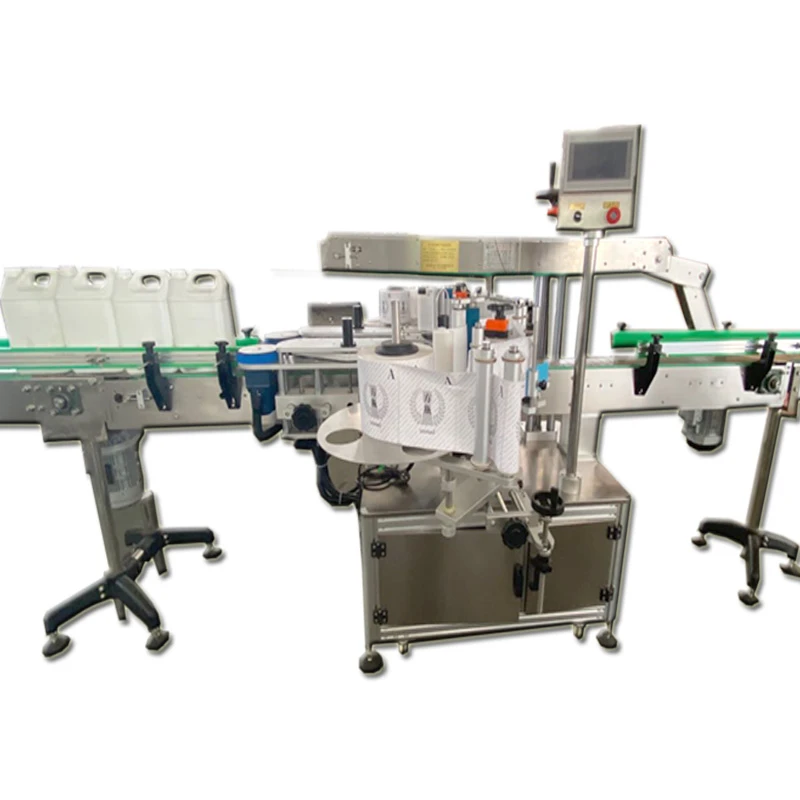
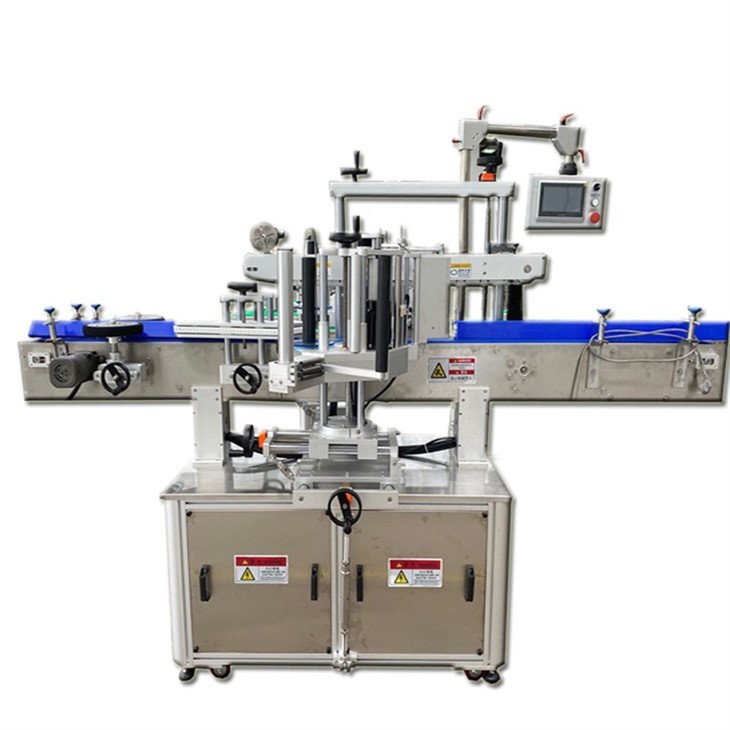
If you're in the manufacturing industry, you might be interested in our Single-sided Self-adhesive Labeling Machine and Double-sided Self-adhesive Labeling Machine. These machines can work in conjunction with our ink coding machines to provide a complete solution for product identification and labeling.
So, how can you ensure that you're using the right ink with the appropriate chemical resistance for your application? Well, the first step is to understand the chemicals that the coded products will be exposed to. Make a list of these chemicals and their concentrations. Then, you can consult with an ink supplier or a technical expert. They can help you choose the right type of ink based on your specific requirements.
It's also a good idea to conduct some tests. You can apply the ink to a sample of the substrate and expose it to the chemicals in a controlled environment. This will give you an idea of how well the ink will perform in real-world conditions. You can test for factors like color change, adhesion loss, and smudging.
As a supplier of ink coding machines, we're committed to providing you with the best solutions for your coding needs. We have a wide range of inks available, each with different levels of chemical resistance to suit various applications. Our team of experts can help you choose the right ink and set up your ink coding machine for optimal performance.
If you're interested in learning more about our ink coding machines and the inks we offer, or if you have any questions about the chemical resistance of the ink, don't hesitate to reach out. We're here to help you make the right decision for your business. Whether you're a small business just starting out or a large corporation with complex coding requirements, we have the expertise and products to meet your needs.
In conclusion, the chemical resistance of the ink printed by an ink coding machine is a critical factor that can impact the quality and durability of the coded products. By understanding the different types of inks, the factors that affect their chemical resistance, and conducting proper testing, you can ensure that your coded products are able to withstand the chemicals they'll encounter in their environment. So, if you're in the market for an ink coding machine or need advice on ink selection, give us a call and let's start a conversation about how we can help you.
References
- Various industry reports on ink coding and labeling technologies
- Manufacturer's specifications for different types of inks and ink coding machines