

As a supplier of ink coding machines, I understand the crucial role that printing speed plays in the efficiency of production lines. In today's fast - paced manufacturing environment, optimizing the printing speed of an ink coding machine can significantly enhance productivity, reduce costs, and improve overall competitiveness. This blog post will explore several effective strategies to achieve this goal.
1. Machine Selection and Configuration
The first step in optimizing printing speed is to choose the right ink coding machine for your specific requirements. Different machines have different speed capabilities, which are often determined by factors such as the type of ink, the printing technology, and the complexity of the coding patterns.
When selecting a machine, consider the maximum speed it can achieve. High - end ink coding machines are usually equipped with advanced print heads and control systems that can handle high - speed printing. For example, some industrial - grade inkjet coding machines can print at speeds of up to several hundred meters per minute.
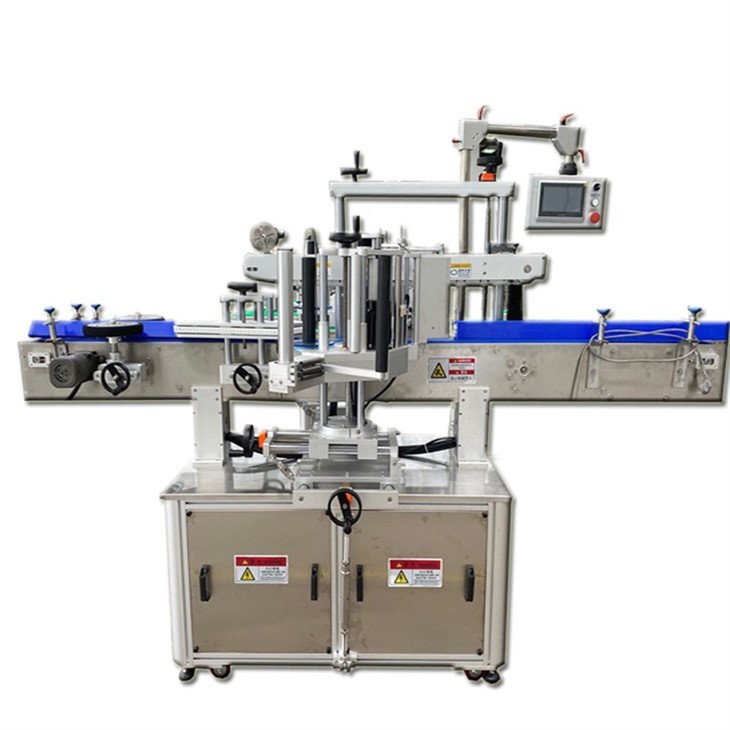
In addition to the base speed of the machine, proper configuration is also essential. Ensure that the machine is set up correctly according to the material being printed on and the coding requirements. Adjust parameters such as ink viscosity, droplet size, and printing pressure to optimize the printing quality and speed simultaneously. For instance, a lower ink viscosity may allow for faster ink ejection, but it needs to be balanced with the quality of the printed code to avoid smudging or blurring.
2. Ink and Substrate Compatibility
The compatibility between the ink and the substrate (the material being printed on) has a significant impact on printing speed. Using the right ink for the substrate can improve the adhesion and drying time of the ink, which in turn enables faster printing.
Some substrates, such as plastics or metals, may require special inks that are formulated to adhere well to these surfaces. For example, UV - curable inks are often used for printing on plastics because they can dry almost instantly when exposed to UV light, allowing for high - speed printing. On the other hand, porous substrates like paper may be more suitable for water - based inks.

It's also important to test the ink - substrate combination before full - scale production. This can help identify any potential issues such as poor adhesion, slow drying, or chemical reactions that could slow down the printing process. By ensuring optimal ink - substrate compatibility, you can minimize the time spent on drying and re - printing, thus increasing the overall printing speed.
3. Maintenance and Upkeep
Regular maintenance of the ink coding machine is crucial for maintaining optimal printing speed. Over time, components such as print heads, pumps, and filters can become clogged or worn out, which can lead to reduced printing performance.
Clean the print heads regularly to prevent ink buildup. Most modern ink coding machines come with self - cleaning functions, but manual cleaning may still be necessary from time to time. Replace filters and pumps according to the manufacturer's recommendations to ensure a consistent flow of ink.
In addition to cleaning, lubrication of moving parts is also important. This can reduce friction and wear, allowing the machine to operate more smoothly and at higher speeds. By keeping the machine in good working condition, you can avoid unexpected breakdowns and downtime, which can have a significant impact on production efficiency.
4. Software and Programming Optimization
The software that controls the ink coding machine can also be optimized to improve printing speed. Update the machine's software regularly to take advantage of the latest performance enhancements and bug fixes.
When programming the coding patterns, simplify the designs as much as possible. Complex patterns with a large number of characters or detailed graphics may take longer to print. Use standard fonts and symbols that are recognized by the machine's software to reduce the processing time.
Some ink coding machines support batch printing functions, which can significantly increase the printing speed. Instead of printing one code at a time, the machine can print multiple codes in a single pass. This is especially useful for applications where the same code needs to be printed on multiple products.
5. Integration with Production Line
Integrating the ink coding machine with the rest of the production line can also optimize printing speed. Ensure that the machine is synchronized with the conveyor belt or other production equipment so that the products are presented to the printer at the right time and speed.
Use sensors and automation systems to control the printing process. For example, sensors can detect the presence of a product on the conveyor belt and trigger the printing process automatically. This can eliminate the need for manual intervention and reduce the time between printing operations.
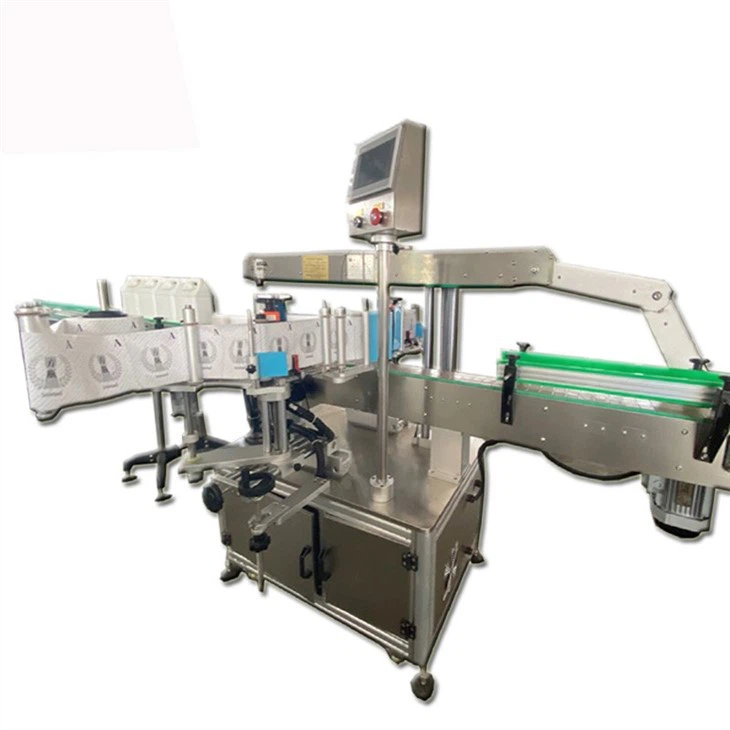
By integrating the ink coding machine with the production line, you can create a more seamless and efficient workflow, which can lead to a significant increase in overall printing speed.
6. Training and Staff Competence
Proper training of the operators is essential for optimizing the printing speed of the ink coding machine. Well - trained operators are more likely to set up the machine correctly, troubleshoot problems quickly, and operate the machine at its maximum capacity.
Provide comprehensive training programs that cover all aspects of the machine's operation, including setup, maintenance, and programming. Encourage operators to stay updated on the latest technology and best practices in ink coding.
In addition to technical training, also train the operators on safety procedures to ensure a safe working environment. By investing in the training and development of your staff, you can improve the overall performance of the ink coding machine and the production line.
7. Consideration of Complementary Equipment
In some cases, using complementary equipment can further optimize the printing speed of the ink coding machine. For example, if you are printing on labels, you may consider using a [Single - sided Self - adhesive Labeling Machine]( /labeling - machines/labeling - machine/single - sided - self - adhesive - labeling - machine.html) or a [Double - sided Self - adhesive Labeling Machine]( /labeling - machines/labeling - machine/double - sided - self - adhesive - labeling - machine.html). These machines can apply labels to products at high speeds, and when integrated with the ink coding machine, can create a more efficient production process.
The labeling machines can prepare the labels in advance, and the ink coding machine can then print the required codes on the labels. This division of labor can reduce the overall processing time and increase the printing speed.
In conclusion, optimizing the printing speed of an ink coding machine requires a comprehensive approach that includes machine selection, ink - substrate compatibility, maintenance, software optimization, integration with the production line, staff training, and the use of complementary equipment. By implementing these strategies, you can significantly improve the efficiency of your production line and gain a competitive edge in the market.
If you are interested in learning more about our ink coding machines or have any questions regarding printing speed optimization, we encourage you to contact us for further discussion and potential procurement. Our team of experts is ready to assist you in finding the best solutions for your specific needs.

References
- [1] "Industrial Inkjet Coding and Marking Handbook", XYZ Publishing, 20XX
- [2] "Inkjet Printing Technology: Principles and Applications", ABC Press, 20XX
- [3] Manufacturer's manuals for various ink coding machines.