

As a supplier of grab cartoning machines, I understand that adjusting the settings of these machines can be a complex task. However, with the right knowledge and approach, you can ensure that your grab cartoning machine operates at its best, delivering high-quality packaging results efficiently. In this blog post, I will guide you through the process of adjusting the settings of a grab cartoning machine, covering everything from basic setup to fine-tuning for optimal performance.
Understanding the Basics of a Grab Cartoning Machine
Before you start adjusting the settings of your grab cartoning machine, it's essential to have a good understanding of how the machine works. A Grab Cartoning Machine is designed to pick up products from a conveyor or other feeding system and place them into cartons. The machine typically consists of several key components, including a product feeder, a carton magazine, a carton opening mechanism, a product transfer system, and a sealing unit.
Initial Setup and Calibration
The first step in adjusting the settings of a grab cartoning machine is to perform the initial setup and calibration. This involves ensuring that all components of the machine are properly installed and aligned, and that the machine is calibrated to the correct dimensions for the products and cartons you will be using.
- Install and Align Components: Start by installing all the components of the grab cartoning machine according to the manufacturer's instructions. Make sure that the product feeder, carton magazine, carton opening mechanism, product transfer system, and sealing unit are all properly aligned and securely fastened.
- Measure and Set Dimensions: Use a measuring tool to determine the dimensions of the products and cartons you will be using. Then, adjust the settings on the grab cartoning machine to match these dimensions. This may involve adjusting the height, width, and depth settings of the product feeder, carton magazine, and carton opening mechanism.
- Calibrate the Machine: Once all the components are installed and the dimensions are set, it's time to calibrate the grab cartoning machine. This involves running a test cycle to ensure that the machine is picking up products correctly, opening cartons properly, and placing products into cartons accurately. Make any necessary adjustments to the settings based on the results of the test cycle.
Adjusting the Product Feeder
The product feeder is responsible for delivering products to the grab cartoning machine at a consistent rate. Adjusting the settings of the product feeder is crucial to ensure that products are fed into the machine smoothly and accurately.
- Adjust the Feeding Speed: The feeding speed of the product feeder can be adjusted to match the production rate of the grab cartoning machine. If the feeding speed is too slow, the machine may not be able to keep up with the production demand. If the feeding speed is too fast, products may be damaged or misaligned. Adjust the feeding speed based on the size, weight, and shape of the products you are using.
- Set the Product Spacing: The product spacing refers to the distance between each product on the conveyor. Adjusting the product spacing is important to ensure that products are picked up correctly by the grab cartoning machine. If the product spacing is too small, products may overlap or jam in the machine. If the product spacing is too large, the machine may not be able to pick up products efficiently. Set the product spacing based on the size and shape of the products you are using.
- Adjust the Feeding Angle: The feeding angle of the product feeder can be adjusted to ensure that products are fed into the machine at the correct angle. This is particularly important for products that are irregularly shaped or have a tendency to tip over. Adjust the feeding angle based on the size, weight, and shape of the products you are using.
Adjusting the Carton Magazine
The carton magazine is responsible for storing and feeding cartons to the grab cartoning machine. Adjusting the settings of the carton magazine is essential to ensure that cartons are fed into the machine smoothly and accurately.
- Adjust the Carton Stacking Height: The carton stacking height refers to the height of the stack of cartons in the carton magazine. Adjusting the carton stacking height is important to ensure that cartons are fed into the machine at a consistent rate. If the carton stacking height is too high, cartons may jam in the magazine. If the carton stacking height is too low, the machine may run out of cartons before the production cycle is complete. Adjust the carton stacking height based on the size and shape of the cartons you are using.
- Set the Carton Separation: The carton separation refers to the distance between each carton in the carton magazine. Adjusting the carton separation is important to ensure that cartons are fed into the machine one at a time. If the carton separation is too small, cartons may stick together and jam in the magazine. If the carton separation is too large, the machine may not be able to pick up cartons efficiently. Set the carton separation based on the size and shape of the cartons you are using.
- Adjust the Carton Feeding Speed: The carton feeding speed refers to the speed at which cartons are fed from the carton magazine to the grab cartoning machine. Adjusting the carton feeding speed is important to ensure that cartons are fed into the machine at a consistent rate. If the carton feeding speed is too slow, the machine may not be able to keep up with the production demand. If the carton feeding speed is too fast, cartons may be damaged or misaligned. Adjust the carton feeding speed based on the size, weight, and shape of the cartons you are using.
Adjusting the Carton Opening Mechanism
The carton opening mechanism is responsible for opening cartons and preparing them for product insertion. Adjusting the settings of the carton opening mechanism is crucial to ensure that cartons are opened properly and that products can be inserted into cartons easily.
- Adjust the Suction Cup Pressure: The suction cup pressure is used to hold the carton in place while it is being opened. Adjusting the suction cup pressure is important to ensure that cartons are held securely without being damaged. If the suction cup pressure is too low, cartons may not be held in place properly and may not open correctly. If the suction cup pressure is too high, cartons may be damaged or deformed. Adjust the suction cup pressure based on the size, weight, and material of the cartons you are using.
- Set the Carton Opening Speed: The carton opening speed refers to the speed at which the carton opening mechanism opens cartons. Adjusting the carton opening speed is important to ensure that cartons are opened quickly and efficiently. If the carton opening speed is too slow, the machine may not be able to keep up with the production demand. If the carton opening speed is too fast, cartons may be damaged or misaligned. Set the carton opening speed based on the size, weight, and material of the cartons you are using.
- Adjust the Carton Opening Angle: The carton opening angle refers to the angle at which the carton opening mechanism opens cartons. Adjusting the carton opening angle is important to ensure that cartons are opened wide enough to allow products to be inserted easily. If the carton opening angle is too small, products may not be able to fit into cartons. If the carton opening angle is too large, cartons may be damaged or deformed. Adjust the carton opening angle based on the size, shape, and material of the cartons you are using.
Adjusting the Product Transfer System
The product transfer system is responsible for picking up products from the product feeder and placing them into cartons. Adjusting the settings of the product transfer system is essential to ensure that products are transferred accurately and efficiently.
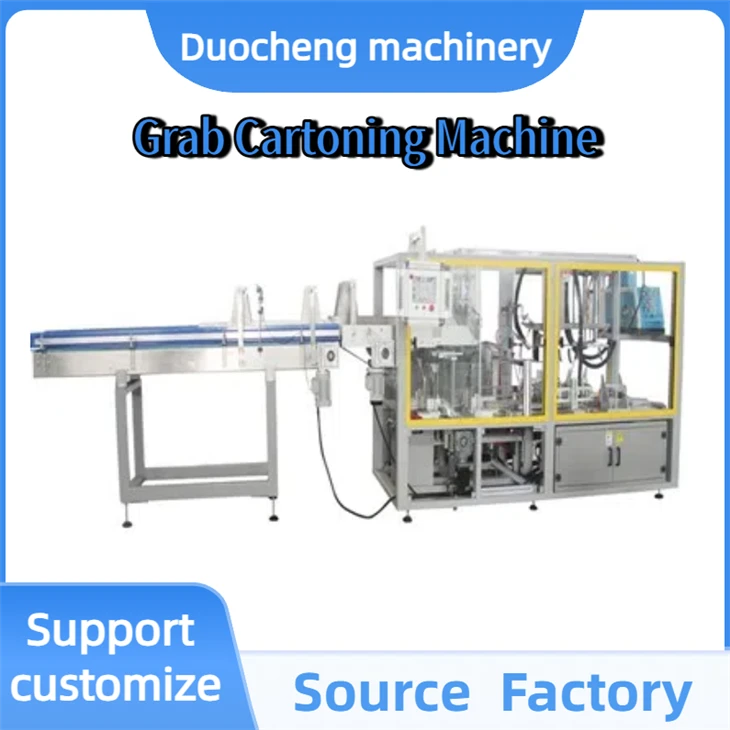

- Adjust the Gripper Force: The gripper force is used to hold products securely while they are being transferred from the product feeder to the carton. Adjusting the gripper force is important to ensure that products are held firmly without being damaged. If the gripper force is too low, products may fall out of the gripper during transfer. If the gripper force is too high, products may be damaged or deformed. Adjust the gripper force based on the size, weight, and shape of the products you are using.
- Set the Transfer Speed: The transfer speed refers to the speed at which the product transfer system moves products from the product feeder to the carton. Adjusting the transfer speed is important to ensure that products are transferred quickly and efficiently. If the transfer speed is too slow, the machine may not be able to keep up with the production demand. If the transfer speed is too fast, products may be damaged or misaligned. Set the transfer speed based on the size, weight, and shape of the products you are using.
- Adjust the Transfer Angle: The transfer angle refers to the angle at which the product transfer system moves products from the product feeder to the carton. Adjusting the transfer angle is important to ensure that products are placed into cartons accurately. If the transfer angle is too small, products may not be able to fit into cartons. If the transfer angle is too large, products may be damaged or misaligned. Adjust the transfer angle based on the size, shape, and material of the products and cartons you are using.
Adjusting the Sealing Unit
The sealing unit is responsible for sealing cartons after products have been placed inside. Adjusting the settings of the sealing unit is crucial to ensure that cartons are sealed properly and that products are protected during storage and transportation.
- Adjust the Sealing Temperature: The sealing temperature is used to melt the adhesive or heat-seal material on the carton flaps. Adjusting the sealing temperature is important to ensure that cartons are sealed securely without being damaged. If the sealing temperature is too low, the adhesive or heat-seal material may not melt properly, resulting in a weak seal. If the sealing temperature is too high, the carton may be damaged or deformed. Adjust the sealing temperature based on the type of adhesive or heat-seal material you are using and the material of the cartons.
- Set the Sealing Pressure: The sealing pressure is used to apply pressure to the carton flaps to ensure that they are sealed together. Adjusting the sealing pressure is important to ensure that cartons are sealed tightly without being damaged. If the sealing pressure is too low, the carton flaps may not be sealed properly, resulting in a weak seal. If the sealing pressure is too high, the carton may be damaged or deformed. Set the sealing pressure based on the type of adhesive or heat-seal material you are using and the material of the cartons.
- Adjust the Sealing Time: The sealing time refers to the length of time that the sealing unit applies heat and pressure to the carton flaps. Adjusting the sealing time is important to ensure that cartons are sealed securely without being damaged. If the sealing time is too short, the adhesive or heat-seal material may not have enough time to melt and bond the carton flaps together. If the sealing time is too long, the carton may be damaged or deformed. Adjust the sealing time based on the type of adhesive or heat-seal material you are using and the material of the cartons.
Fine-Tuning for Optimal Performance
Once you have adjusted all the settings of the grab cartoning machine, it's time to fine-tune the machine for optimal performance. This involves running a series of test cycles and making small adjustments to the settings based on the results.
- Run Test Cycles: Run several test cycles using different products and cartons to ensure that the grab cartoning machine is operating at its best. Pay attention to the quality of the packaging, the speed of the machine, and the accuracy of the product placement.
- Make Small Adjustments: Based on the results of the test cycles, make small adjustments to the settings of the grab cartoning machine. This may involve adjusting the feeding speed, carton opening speed, transfer speed, or sealing temperature. Make sure to make only small adjustments at a time and test the machine after each adjustment to ensure that the changes are having the desired effect.
- Monitor and Maintain the Machine: Once the grab cartoning machine is operating at its best, it's important to monitor and maintain the machine regularly to ensure that it continues to perform well. This may involve cleaning the machine, lubricating moving parts, and replacing worn or damaged components.
Conclusion
Adjusting the settings of a grab cartoning machine is a complex but essential task to ensure that the machine operates at its best and delivers high-quality packaging results efficiently. By following the steps outlined in this blog post, you can adjust the settings of your grab cartoning machine to match the products and cartons you are using, and fine-tune the machine for optimal performance.
If you have any questions or need further assistance with adjusting the settings of your grab cartoning machine, please don't hesitate to contact us. We are a leading supplier of Grab Cartoning Machine and Drop Cartoning Machine, and we are committed to providing our customers with the best products and services. Contact us today to learn more about our grab cartoning machines and how we can help you improve your packaging process.
References
- Manufacturer's Manual for the Grab Cartoning Machine
- Industry Standards and Best Practices for Packaging Machinery