

Hey there! As a supplier of water treatment systems, I've seen firsthand how these systems can have a significant impact on the pH level of water. In this blog post, I'm gonna break down what pH is, why it matters, and how our water treatment systems can help you manage it.
Let's start with the basics. pH is a measure of how acidic or basic (alkaline) a substance is. It's measured on a scale from 0 to 14, where 0 is the most acidic, 7 is neutral, and 14 is the most basic. Water that has a pH of 7 is considered pure and neutral. However, most water sources in nature have a pH level that's either slightly acidic or slightly basic.
So, why does the pH level of water matter? Well, it can have a big impact on both human health and the environment. For humans, drinking water with a pH that's too acidic or too basic can cause a variety of health problems, including digestive issues, skin irritation, and even damage to your teeth and bones over time. On the environmental side, the pH level of water can affect the health of aquatic plants and animals. For example, fish and other aquatic organisms are very sensitive to changes in pH, and a sudden drop or increase in pH can be deadly for them.
Now, let's talk about how our water treatment systems come into play. There are several different types of water treatment systems that can be used to adjust the pH level of water. One of the most common methods is through the use of chemicals. For example, if the water is too acidic, we can add a base like sodium hydroxide or calcium carbonate to raise the pH. On the other hand, if the water is too basic, we can add an acid like sulfuric acid or hydrochloric acid to lower the pH.
But using chemicals to adjust the pH of water isn't always the best solution. For one thing, it can be expensive, especially if you're treating a large volume of water. Plus, adding chemicals to water can have other negative impacts, such as increasing the level of dissolved solids or introducing harmful contaminants.
That's where our advanced water treatment systems come in. We offer a range of systems that use natural and chemical - free methods to adjust the pH of water. One of our popular systems uses a process called ion exchange. In this process, the water passes through a resin bed that contains charged ions. These ions can exchange with the hydrogen or hydroxide ions in the water, effectively adjusting the pH level. This method is not only more cost - effective but also more environmentally friendly compared to using chemicals.

Another system we offer uses a process called reverse osmosis. Reverse osmosis is a filtration process that removes a wide range of contaminants from water, including dissolved solids, heavy metals, and microorganisms. As a by - product, it can also have an impact on the pH level of water. By removing certain ions from the water, reverse osmosis can sometimes make the water more acidic. However, we can also integrate additional components into the system to adjust the pH back to a more desirable level.
Let's take a look at some real - world examples of how our water treatment systems have impacted the pH level of water. We had a client who owned a small brewery. They were having problems with the quality of their beer because the water they were using had a pH that was too high. This was causing the beer to have a bitter taste and a cloudy appearance. After installing our ion exchange water treatment system, the pH of the water was adjusted to the optimal level. As a result, the quality of their beer improved significantly, and they were able to increase their production and sales.
We also worked with a local municipality that was struggling with acidic water in their distribution system. The acidic water was causing corrosion in the pipes, which was leading to leaks and higher maintenance costs. Our reverse osmosis and pH adjustment system was installed at the water treatment plant. This not only raised the pH of the water to a more neutral level but also removed other contaminants, reducing the corrosion in the pipes and saving the municipality a lot of money in the long run.
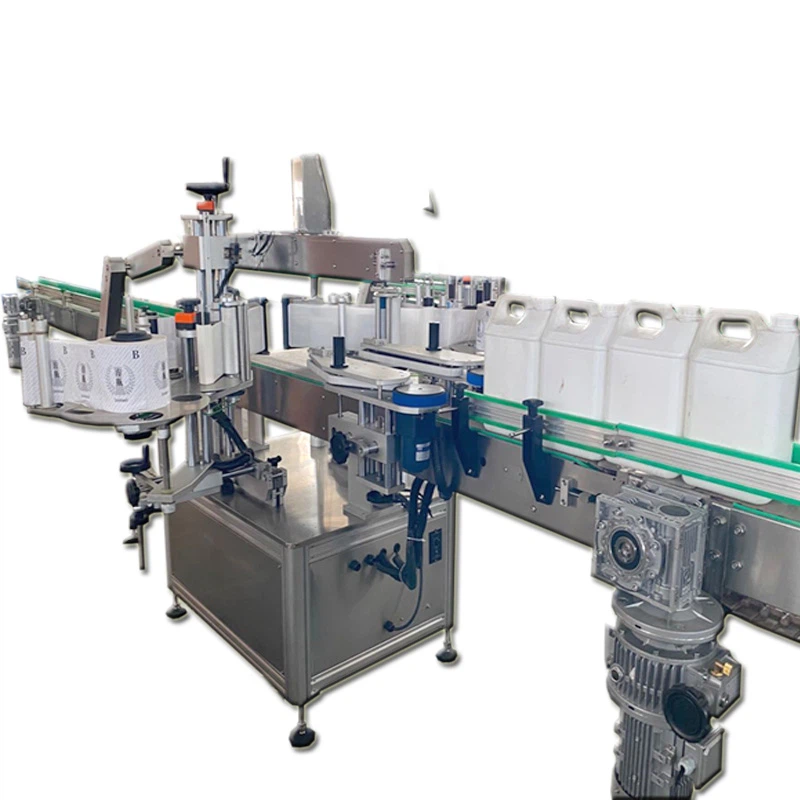
If you're in the market for labeling machines, we also have some great options for you. Check out our Double - sided Self - adhesive Labeling Machine and Single - sided Self - adhesive Labeling Machine. These machines are designed to provide accurate and efficient labeling for a variety of products.
In conclusion, the pH level of water is a crucial factor that can affect both human health and the environment. Our water treatment systems offer a reliable and cost - effective way to manage the pH level of water. Whether you're a small business owner, a large industrial facility, or a municipality, we have a solution that can meet your needs.
If you're interested in learning more about our water treatment systems or have any questions about how they can impact the pH level of your water, don't hesitate to reach out. We're here to help you find the best solution for your specific situation. Let's start a conversation about how we can work together to improve the quality of your water.
References
- "Water Quality and Treatment: A Handbook of Community Water Supplies" by American Water Works Association
- "Introduction to Environmental Engineering" by Gilbert M. Masters and Wendell P. Ela