

In the dynamic landscape of the beverage industry, the efficiency and precision of dispensing systems are crucial for meeting consumer demands and maintaining high-quality standards. As a leading beverage dispensing system supplier, we take pride in offering state-of-the-art servo-driven beverage dispensing systems that revolutionize the way beverages are dispensed. In this blog post, we will delve into the inner workings of a servo-driven beverage dispensing system, exploring its components, operation principles, and the benefits it brings to the beverage industry.
Components of a Servo-Driven Beverage Dispensing System
A servo-driven beverage dispensing system consists of several key components that work together seamlessly to ensure accurate and efficient beverage dispensing. These components include:
1. Servo Motors
Servo motors are the heart of a servo-driven beverage dispensing system. These motors are designed to provide precise control over the movement of various components, such as pumps, valves, and conveyors. Unlike traditional motors, servo motors can accurately control the position, speed, and torque of the output shaft, allowing for highly precise and repeatable dispensing operations.
2. Controller
The controller is the brain of the servo-driven beverage dispensing system. It receives input signals from various sensors and user interfaces, processes these signals, and sends control commands to the servo motors. The controller can be programmed to perform a wide range of dispensing functions, such as setting the dispensing volume, speed, and frequency.
3. Sensors
Sensors play a crucial role in a servo-driven beverage dispensing system by providing real-time feedback on the status of various components and the dispensing process. Common sensors used in beverage dispensing systems include flow sensors, level sensors, pressure sensors, and temperature sensors. These sensors help ensure the accuracy and consistency of the dispensing process by detecting any deviations from the set parameters and triggering corrective actions.

4. Pumps and Valves
Pumps and valves are responsible for transporting and controlling the flow of beverages in the dispensing system. Servo-driven pumps can accurately control the flow rate and pressure of the beverage, while servo-driven valves can precisely control the opening and closing of the flow path. This allows for precise dispensing of beverages in various volumes and at different flow rates.
5. Conveyor System
In some beverage dispensing applications, a conveyor system is used to transport the beverage containers to and from the dispensing station. Servo-driven conveyors can accurately control the speed and position of the containers, ensuring that they are properly aligned with the dispensing nozzles and that the dispensing process is carried out smoothly.
Operation Principles of a Servo-Driven Beverage Dispensing System
The operation of a servo-driven beverage dispensing system can be divided into several stages, each of which is carefully controlled by the servo motors and the controller. The following is a general overview of the operation principles of a servo-driven beverage dispensing system:
1. Container Loading
The beverage containers are first loaded onto the conveyor system and transported to the dispensing station. The servo-driven conveyor ensures that the containers are properly aligned with the dispensing nozzles.
2. Beverage Preparation
Before dispensing, the beverage is prepared by mixing the appropriate ingredients in the correct proportions. This can be done using a variety of methods, such as batch mixing or continuous mixing. The servo-driven pumps and valves are used to control the flow of the ingredients and ensure that the mixture is homogeneous.
3. Dispensing Process
Once the beverage is prepared, the servo-driven pumps and valves are activated to dispense the beverage into the containers. The controller determines the dispensing volume, speed, and frequency based on the user settings and the feedback from the sensors. The servo motors precisely control the movement of the pumps and valves to ensure that the beverage is dispensed accurately and consistently.
4. Container Sealing
After the beverage is dispensed, the containers are sealed to prevent leakage and contamination. This can be done using a variety of sealing methods, such as capping, corking, or heat sealing. The servo-driven conveyor transports the sealed containers to the next stage of the production process.
5. Cleaning and Maintenance
Regular cleaning and maintenance are essential for ensuring the proper operation and longevity of a servo-driven beverage dispensing system. The system can be programmed to perform automatic cleaning cycles using cleaning solutions and water. Servo-driven components can also be easily disassembled and reassembled for maintenance and repair.
Benefits of a Servo-Driven Beverage Dispensing System
A servo-driven beverage dispensing system offers several benefits over traditional dispensing systems, making it an ideal choice for beverage manufacturers and distributors. Some of the key benefits include:
1. High Precision and Accuracy
Servo motors provide precise control over the movement of the components, allowing for highly accurate and repeatable dispensing of beverages. This ensures that each container is filled with the exact amount of beverage, reducing waste and improving product quality.
2. Flexibility and Customization
Servo-driven beverage dispensing systems can be easily programmed to accommodate different types of beverages, container sizes, and dispensing requirements. This allows beverage manufacturers to quickly adapt to changing market demands and produce a wide range of products using the same dispensing system.
3. Increased Efficiency and Productivity
The precise control and automation provided by servo-driven systems can significantly increase the efficiency and productivity of the beverage dispensing process. Servo-driven pumps and valves can operate at high speeds, reducing the dispensing time per container. Additionally, the real-time feedback from the sensors and the ability to perform automatic cleaning cycles help minimize downtime and maintenance requirements.
4. Improved Quality Control
Sensors in a servo-driven beverage dispensing system continuously monitor the dispensing process, providing real-time feedback on the status of the system and the quality of the dispensed beverages. This allows for immediate detection and correction of any issues, ensuring that the final products meet the highest quality standards.
5. Enhanced Safety
Servo-driven beverage dispensing systems are designed with safety features to protect the operators and the equipment. These features include overload protection, emergency stop buttons, and safety interlocks. Additionally, the automation of the dispensing process reduces the need for manual intervention, minimizing the risk of operator errors and injuries.
Applications of Servo-Driven Beverage Dispensing Systems
Servo-driven beverage dispensing systems are widely used in various beverage industries, including soft drinks, juices, beer, wine, and spirits. Some common applications of servo-driven beverage dispensing systems include:
1. Bottling and Canning Lines
In bottling and canning lines, servo-driven beverage dispensing systems are used to fill the beverage containers with the exact amount of product. The precise control and high-speed operation of servo-driven systems make them ideal for large-scale production environments.
2. Kegging Systems
Servo-driven kegging systems are used to fill kegs with beer, wine, and other beverages. These systems can accurately control the filling volume and pressure, ensuring that the kegs are filled to the correct level and that the beverage quality is maintained.
3. Dispensing Stations
Servo-driven dispensing stations are commonly used in bars, restaurants, and convenience stores to dispense beverages on demand. These stations can be programmed to dispense different types of beverages in various volumes, providing customers with a wide range of options.
4. Packaging and Labeling
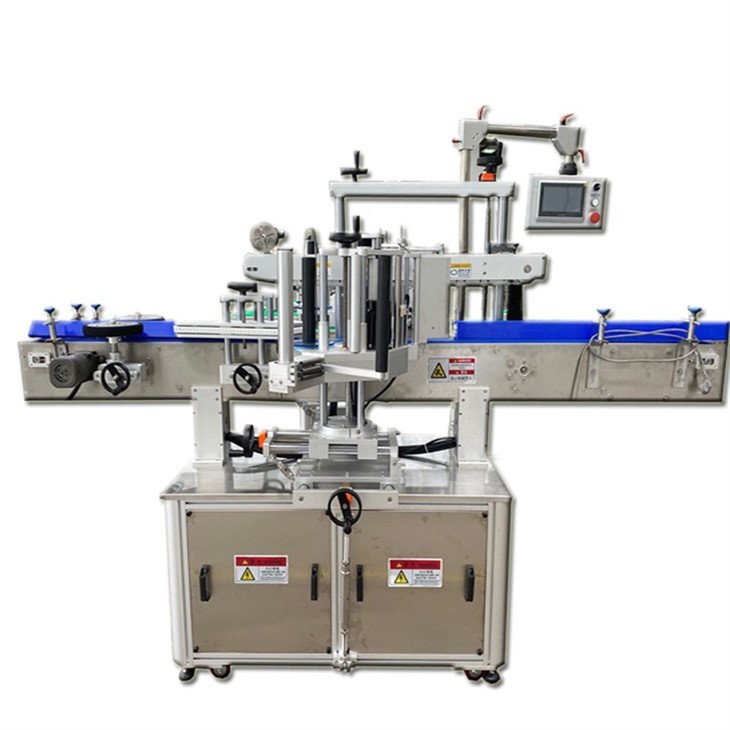
In addition to dispensing, servo-driven systems can also be used in the packaging and labeling processes. For example, Single-sided Self-adhesive Labeling Machine and Double-sided Self-adhesive Labeling Machine can be integrated with the beverage dispensing system to apply labels to the containers accurately and efficiently.
Contact Us for Your Beverage Dispensing Needs
If you are looking for a reliable and efficient beverage dispensing system for your business, look no further. As a leading beverage dispensing system supplier, we have the expertise and experience to provide you with the best solutions tailored to your specific needs. Our servo-driven beverage dispensing systems offer high precision, flexibility, and productivity, ensuring that you can meet the demands of your customers and stay ahead of the competition.
Contact us today to learn more about our servo-driven beverage dispensing systems and to discuss your requirements. Our team of experts will be happy to assist you in finding the perfect solution for your business.
References
- Smith, J. (2020). Beverage Dispensing Technology: Principles and Applications. Wiley.
- Jones, A. (2019). Servo Motors and Drives: Fundamentals and Applications. CRC Press.
- Brown, R. (2018). Sensor Technology for Industrial Automation. Elsevier.