

Hey there! As a supplier of beverage dispensing systems, I'm super excited to take you behind the scenes and explain how a carbonated beverage dispensing system works. It's a fascinating process that combines science, engineering, and a bit of magic to bring you that fizzy, refreshing drink you love.
The Basics of Carbonation
Before we dive into the dispensing system itself, let's quickly talk about carbonation. Carbonation is the process of dissolving carbon dioxide (CO2) gas in a liquid, usually water. When you open a can or bottle of carbonated beverage, you hear that satisfying "fizz" sound. That's the carbon dioxide gas escaping from the liquid.

The amount of carbon dioxide in a carbonated beverage affects its taste and mouthfeel. More carbonation means a stronger fizz and a more refreshing sensation, while less carbonation results in a flatter, smoother drink. Different types of carbonated beverages, like soda, beer, and sparkling water, have different levels of carbonation to suit their unique flavors.
The Components of a Carbonated Beverage Dispensing System
A carbonated beverage dispensing system consists of several key components that work together to store, carbonate, and dispense the beverage. Here's a breakdown of each component:
1. Beverage Storage Tanks
The first step in the process is to store the beverage in large tanks. These tanks are typically made of stainless steel and can hold anywhere from a few gallons to several hundred gallons of liquid. The tanks are designed to keep the beverage at a consistent temperature and pressure to maintain its quality.
2. Carbon Dioxide (CO2) Supply
Carbon dioxide is the key ingredient in carbonation, so a reliable CO2 supply is essential for a carbonated beverage dispensing system. The CO2 is usually stored in high-pressure cylinders or bulk storage tanks. The pressure of the CO2 is regulated to ensure that the correct amount of gas is dissolved in the beverage.
3. Carbonator
The carbonator is where the magic happens. It's a device that mixes the beverage with carbon dioxide gas to create the fizzy drink. There are two main types of carbonators: inline carbonators and batch carbonators.
- Inline Carbonators: These carbonators are connected directly to the beverage supply line. As the beverage flows through the carbonator, it comes into contact with the CO2 gas, which dissolves into the liquid. Inline carbonators are commonly used in commercial settings because they can carbonate the beverage continuously.
- Batch Carbonators: Batch carbonators work by filling a tank with a specific amount of beverage and then adding the CO2 gas. The mixture is then agitated to ensure that the gas is evenly distributed throughout the liquid. Batch carbonators are often used in smaller-scale operations or for specialty beverages.
4. Cooling System
To keep the carbonated beverage at the right temperature, a cooling system is required. The cooling system can be either a refrigeration unit or a glycol chiller. The refrigeration unit cools the beverage directly, while the glycol chiller circulates a chilled glycol solution around the beverage lines to keep them cold.
5. Dispensing Faucets
Once the beverage is carbonated and cooled, it's ready to be dispensed. The dispensing faucets are the final component of the system. They are designed to control the flow of the beverage and ensure that it is dispensed at the correct pressure and temperature. There are different types of dispensing faucets available, including manual, electronic, and self-closing faucets.
The Dispensing Process
Now that we've covered the components of a carbonated beverage dispensing system, let's take a look at how the dispensing process works. Here's a step-by-step breakdown:
1. Beverage Transfer
The beverage is transferred from the storage tanks to the carbonator using a pump. The pump ensures that the beverage flows at a consistent rate and pressure.
2. Carbonation
As the beverage enters the carbonator, it comes into contact with the CO2 gas. The gas dissolves into the liquid, creating the fizzy drink. The amount of carbonation can be adjusted by controlling the pressure and flow rate of the CO2 gas.
3. Cooling
After the beverage is carbonated, it passes through the cooling system to bring it down to the desired temperature. The cooling system helps to maintain the carbonation and improve the taste of the beverage.
4. Dispensing
Once the beverage is carbonated and cooled, it's ready to be dispensed. The operator simply presses the dispensing faucet, and the beverage flows out into the glass or container. The dispensing faucet controls the flow rate and pressure of the beverage to ensure a consistent pour.
Maintenance and Troubleshooting
Like any mechanical system, a carbonated beverage dispensing system requires regular maintenance to ensure optimal performance. Here are some tips for maintaining your system:
- Clean the System Regularly: Regular cleaning helps to prevent the buildup of bacteria, mold, and other contaminants. Clean the storage tanks, carbonator, dispensing faucets, and other components according to the manufacturer's instructions.
- Check the CO2 Supply: Make sure the CO2 cylinders or bulk storage tanks are properly filled and that the pressure is within the recommended range. Low CO2 pressure can result in flat beverages.
- Inspect the Beverage Lines: Check the beverage lines for any signs of damage or leaks. Replace any damaged lines immediately to prevent contamination and ensure proper flow.
- Calibrate the Dispensing Faucets: Periodically calibrate the dispensing faucets to ensure that they are dispensing the correct amount of beverage at the right pressure and temperature.
If you encounter any problems with your carbonated beverage dispensing system, here are some common troubleshooting tips:
- Flat Beverages: If the beverages are flat, check the CO2 supply and make sure the pressure is correct. You may also need to clean the carbonator or adjust the carbonation settings.
- Foamy Beverages: Foamy beverages can be caused by a variety of factors, including high CO2 pressure, dirty dispensing faucets, or incorrect temperature. Check the CO2 pressure, clean the faucets, and make sure the beverage is at the right temperature.
- Leaking Beverage Lines: If you notice any leaks in the beverage lines, turn off the system immediately and replace the damaged lines. Leaks can lead to contamination and waste of the beverage.
Our Beverage Dispensing Systems
At our company, we offer a wide range of carbonated beverage dispensing systems to meet the needs of different customers. Whether you're a small café, a large restaurant, or a beverage manufacturer, we have the perfect solution for you.
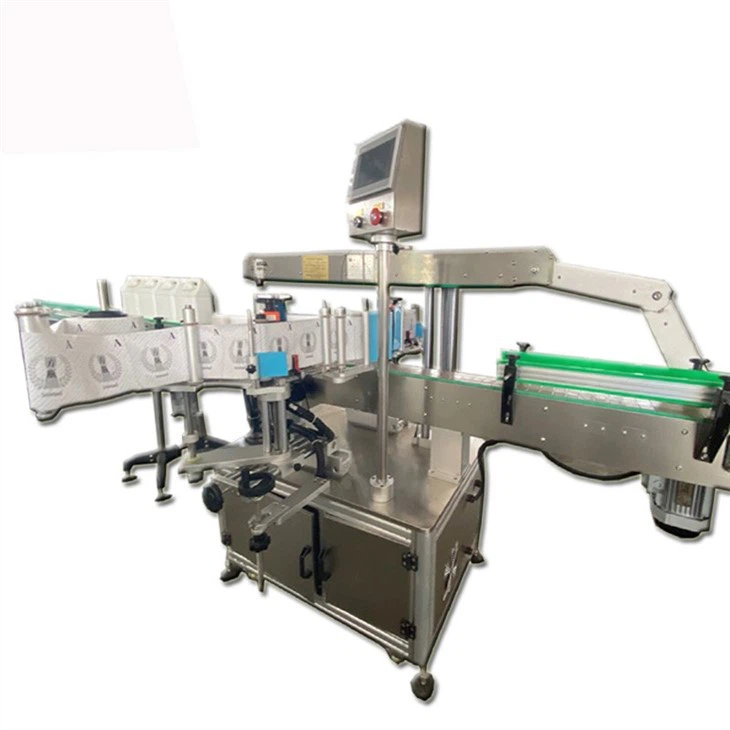
Our systems are designed with the latest technology and high-quality components to ensure reliable performance and consistent results. We also offer a variety of accessories, such as Self-adhesive Labeling Machine and Single-sided Self-adhesive Labeling Machine, to help you customize your system and improve its functionality.
If you're interested in learning more about our beverage dispensing systems or have any questions, please don't hesitate to contact us. Our team of experts is always ready to assist you and provide you with the information you need. We look forward to working with you and helping you take your beverage business to the next level.
References
- "Carbonated Beverage Dispensing Systems: A Comprehensive Guide." Beverage Industry Magazine, 2023.
- "How Carbonation Works." Science Daily, 2022.
- "Maintenance Tips for Carbonated Beverage Dispensing Systems." Food and Beverage Equipment Journal, 2021.