

In the dynamic world of packaging machinery, the accuracy of product placement in a drop cartoning machine stands as a critical factor that can significantly influence the efficiency, quality, and overall success of a packaging operation. As a supplier of drop cartoning machines, I have witnessed firsthand the transformative impact that precise product placement can have on various industries, from pharmaceuticals and food to consumer goods. In this blog post, I will delve into the intricacies of product placement accuracy in drop cartoning machines, exploring the factors that affect it, the technologies used to enhance it, and the benefits it offers to businesses.
Understanding the Basics of Drop Cartoning Machines
Before we dive into the topic of product placement accuracy, let's first understand the fundamental principles of drop cartoning machines. A drop cartoning machine is a type of packaging equipment that is designed to automatically load products into cartons. It operates by dropping the products vertically into pre-formed cartons, which are then sealed and ready for distribution. Drop cartoning machines are known for their high-speed operation, versatility, and ability to handle a wide range of products, including bottles, vials, tubes, blister packs, and more.
The process of product placement in a drop cartoning machine typically involves several key steps. First, the products are fed into the machine through a feeding system, which can be either a vibratory feeder, a conveyor belt, or a combination of both. The feeding system is responsible for orienting the products correctly and delivering them to the drop area at a consistent rate. Once the products reach the drop area, they are released from the feeding system and fall vertically into the open cartons below. The cartons are then moved along a conveyor belt to a sealing station, where they are closed and sealed using adhesives, heat sealing, or other sealing methods.
Factors Affecting Product Placement Accuracy
The accuracy of product placement in a drop cartoning machine is influenced by a variety of factors, both internal and external to the machine. Understanding these factors is crucial for ensuring optimal performance and minimizing the risk of errors or product damage. Here are some of the key factors that can affect product placement accuracy:
Product Characteristics
The physical characteristics of the products being packaged, such as their size, shape, weight, and surface texture, can have a significant impact on product placement accuracy. For example, products that are irregularly shaped or have a high center of gravity may be more difficult to orient and place accurately in the cartons. Similarly, products with a smooth or slippery surface may be more prone to sliding or shifting during the drop process, leading to misalignment or incorrect placement.
Feeding System Design
The design and performance of the feeding system play a crucial role in ensuring accurate product placement. A well-designed feeding system should be able to orient the products correctly, deliver them to the drop area at a consistent rate, and minimize the risk of jams or blockages. Factors such as the type of feeder used, the speed and acceleration of the feeder, and the alignment of the feeder with the drop area can all affect the accuracy of product placement.
Carton Design and Quality
The design and quality of the cartons used in the packaging process can also impact product placement accuracy. Cartons that are poorly designed or manufactured may have inconsistent dimensions, weak seams, or other defects that can cause problems during the filling and sealing process. Additionally, the shape and size of the carton openings can affect the ease with which the products can be dropped into the cartons, as well as the accuracy of their placement.
Machine Settings and Calibration
The settings and calibration of the drop cartoning machine itself are critical for ensuring accurate product placement. Parameters such as the drop height, the speed of the conveyor belt, and the timing of the product release can all be adjusted to optimize the performance of the machine and ensure that the products are placed accurately in the cartons. Regular maintenance and calibration of the machine are also essential for maintaining its accuracy and reliability over time.
Environmental Conditions
The environmental conditions in which the drop cartoning machine operates can also have an impact on product placement accuracy. Factors such as temperature, humidity, and air quality can affect the physical properties of the products and the cartons, as well as the performance of the machine. For example, high humidity levels can cause the products to stick together or the cartons to become soggy, while extreme temperatures can affect the viscosity of adhesives and other sealing materials.
Technologies Used to Enhance Product Placement Accuracy
To overcome the challenges associated with product placement accuracy in drop cartoning machines, manufacturers have developed a variety of advanced technologies and features. These technologies are designed to improve the precision, reliability, and efficiency of the packaging process, while minimizing the risk of errors or product damage. Here are some of the key technologies used to enhance product placement accuracy:
Vision Systems
Vision systems are one of the most common technologies used in drop cartoning machines to improve product placement accuracy. These systems use cameras and sensors to detect the position, orientation, and quality of the products and the cartons in real-time. By analyzing the images captured by the cameras, the vision system can identify any errors or inconsistencies in the placement of the products and adjust the machine settings accordingly. Vision systems can also be used to detect and reject defective products or cartons, ensuring that only high-quality products are packaged.
Servo Motors
Servo motors are another important technology used in drop cartoning machines to enhance product placement accuracy. These motors are capable of precise control and can be used to drive the various components of the machine, such as the conveyor belts, the feeders, and the drop mechanisms. By adjusting the speed, acceleration, and position of the servo motors, the machine can be programmed to place the products accurately in the cartons, even at high speeds.
Air Blowers and Vacuum Systems
Air blowers and vacuum systems are commonly used in drop cartoning machines to assist with product placement and alignment. Air blowers can be used to blow away any debris or dust from the products or the cartons, ensuring that they are clean and free of contaminants. Vacuum systems, on the other hand, can be used to hold the products in place during the drop process, preventing them from shifting or sliding. By using air blowers and vacuum systems in combination with other technologies, such as vision systems and servo motors, the accuracy of product placement can be significantly improved.
Autonomous Guided Vehicles (AGVs)
Autonomous guided vehicles (AGVs) are a relatively new technology that is increasingly being used in drop cartoning machines to enhance product placement accuracy and efficiency. These vehicles are self-guided and can be programmed to transport the products and the cartons between different stations in the packaging process. By using AGVs, the need for manual labor can be reduced, and the risk of human error can be minimized. Additionally, AGVs can be equipped with sensors and vision systems to ensure that the products and the cartons are transported and placed accurately.
Benefits of Accurate Product Placement in Drop Cartoning Machines
The benefits of accurate product placement in drop cartoning machines are numerous and can have a significant impact on the bottom line of a business. Here are some of the key benefits of using a drop cartoning machine with high product placement accuracy:

Improved Product Quality
Accurate product placement ensures that the products are placed correctly in the cartons, minimizing the risk of damage or misalignment. This can help to improve the overall quality of the packaged products, reducing the likelihood of customer complaints or returns.
Increased Efficiency
By placing the products accurately in the cartons, drop cartoning machines can operate at higher speeds and with greater efficiency. This can help to increase the production output of the packaging line, reducing the need for additional labor or equipment.
Reduced Waste
Accurate product placement can also help to reduce waste by minimizing the number of defective or mispackaged products. This can help to save on costs associated with product rework or disposal, as well as reduce the environmental impact of the packaging process.
Enhanced Brand Reputation
By providing high-quality, accurately packaged products, businesses can enhance their brand reputation and build customer loyalty. This can lead to increased sales and market share, as well as a competitive advantage in the marketplace.
Conclusion
In conclusion, the accuracy of product placement in a drop cartoning machine is a critical factor that can significantly impact the efficiency, quality, and overall success of a packaging operation. By understanding the factors that affect product placement accuracy, using advanced technologies to enhance it, and leveraging the benefits it offers, businesses can optimize the performance of their drop cartoning machines and achieve greater success in the marketplace.
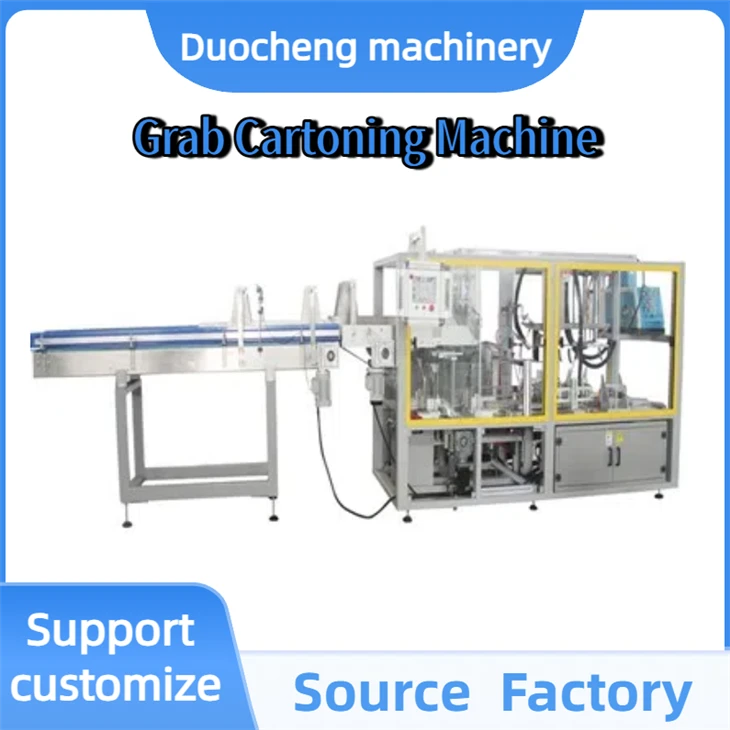
If you are interested in learning more about our Drop Cartoning Machine or our other Grab Cartoning Machine, we encourage you to contact us to discuss your specific needs and requirements. Our team of experts is available to provide you with detailed information, answer your questions, and help you find the right solution for your business.
References
- Packaging Machinery Manufacturers Institute (PMMI). (2021). Packaging Machinery Technology Roadmap.
- Singh, S., & Singh, N. (2019). Advances in Packaging Technology. John Wiley & Sons.
- Tompkins, J. A., White, J. A., Bozer, Y. A., & Tanchoco, J. M. A. (2010). Facilities Design. John Wiley & Sons.