

Hey there! As a supplier of ink coding machines, I often get asked about how accurate these machines really are. In this blog, I'm gonna break down the factors that affect the accuracy of ink coding machines and give you the lowdown on what to expect.
Understanding Ink Coding Machine Accuracy
First off, let's talk about what we mean by "accuracy" in the context of ink coding machines. When we say a machine is accurate, we're referring to its ability to print clear, sharp, and precisely positioned codes on products or packaging. This includes things like barcodes, expiration dates, batch numbers, and logos.
The accuracy of an ink coding machine can be measured in several ways. One common metric is dot placement accuracy, which refers to how precisely the machine can place individual dots of ink on the surface. Another important factor is print quality, which includes factors like ink adhesion, contrast, and resolution.
Factors Affecting Accuracy
There are several factors that can affect the accuracy of an ink coding machine. Let's take a closer look at some of the most important ones:
1. Ink Type and Quality
The type and quality of ink used in the coding machine can have a significant impact on accuracy. Different inks have different properties, such as viscosity, drying time, and adhesion. Using the wrong type of ink or low-quality ink can result in smudging, bleeding, or poor print quality.
For example, if you're coding on a porous surface like cardboard, you'll need an ink that has good absorption and adhesion properties. On the other hand, if you're coding on a non-porous surface like plastic or glass, you'll need an ink that dries quickly and has good resistance to scratching and rubbing.
2. Print Head Technology
The print head is the heart of the ink coding machine, and the technology used in the print head can greatly affect accuracy. There are several types of print head technologies available, including continuous inkjet (CIJ), drop-on-demand (DOD), and thermal inkjet (TIJ).
CIJ printers are known for their high-speed printing and ability to print on a variety of surfaces. However, they can be less accurate than other types of printers, especially when it comes to printing small characters or high-resolution graphics. DOD printers, on the other hand, are more accurate and can print high-quality codes, but they are generally slower than CIJ printers. TIJ printers offer a good balance between speed and accuracy, and they are often used for printing on labels and packaging.
3. Surface Condition
The condition of the surface being coded can also affect accuracy. If the surface is dirty, greasy, or uneven, the ink may not adhere properly, resulting in poor print quality or inaccurate coding. It's important to ensure that the surface is clean and dry before coding.
In addition, the texture of the surface can also affect accuracy. Smooth surfaces generally provide better print quality than rough or textured surfaces. If you're coding on a rough surface, you may need to use a different type of ink or adjust the print settings to ensure accurate coding.
4. Machine Calibration and Maintenance
Proper calibration and maintenance of the ink coding machine are essential for ensuring accuracy. Over time, the machine may become misaligned or the print head may become clogged, which can affect print quality and accuracy. Regular calibration and maintenance can help prevent these issues and ensure that the machine is operating at its best.
Calibration involves adjusting the settings of the machine to ensure that the codes are printed in the correct position and with the correct size and spacing. Maintenance tasks may include cleaning the print head, replacing ink cartridges, and checking the alignment of the machine.
Real-World Accuracy
So, how accurate are ink coding machines in the real world? Well, it depends on a variety of factors, including the type of machine, the ink used, the surface being coded, and the operating conditions. In general, modern ink coding machines are capable of achieving high levels of accuracy, with dot placement accuracies of up to ±0.1 mm and print resolutions of up to 600 dpi.
However, it's important to note that even the most accurate ink coding machines may experience some variability in print quality and accuracy. This can be due to factors such as changes in temperature, humidity, or ink viscosity, as well as wear and tear on the machine over time.
To ensure consistent accuracy, it's important to choose a high-quality ink coding machine from a reputable supplier and to follow the manufacturer's recommendations for calibration and maintenance. In addition, it's a good idea to test the machine on a sample of the actual product or packaging before starting production to ensure that the codes are printed accurately and clearly.
Related Products
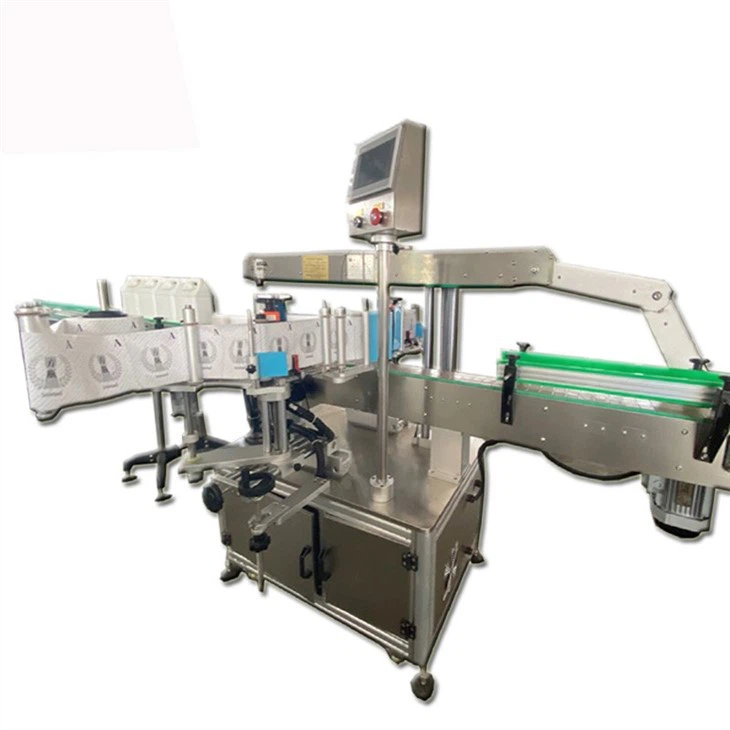
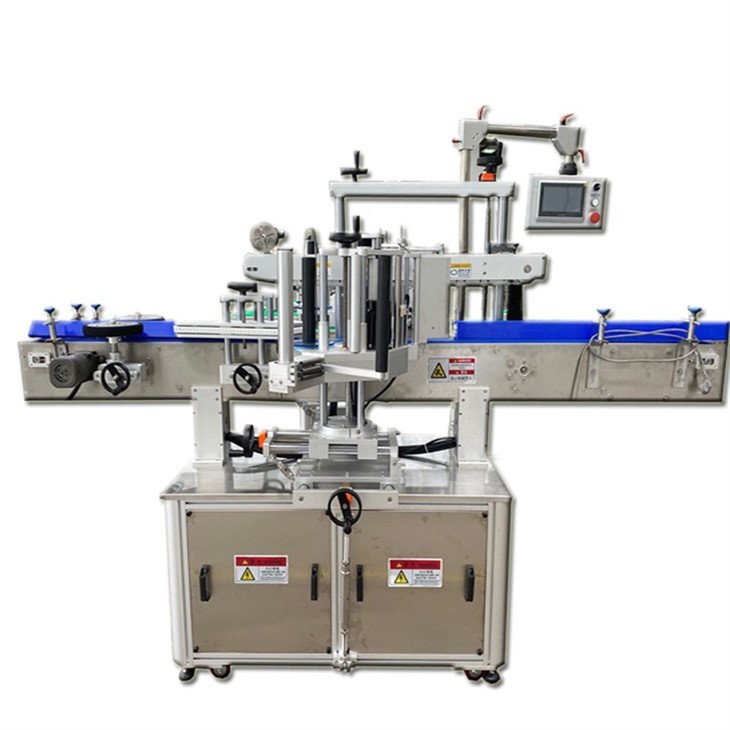
If you're in the market for a labeling machine to complement your ink coding machine, we also offer a range of high-quality labeling machines, including Double-sided Self-adhesive Labeling Machine and Single-sided Self-adhesive Labeling Machine. These machines are designed to provide accurate and efficient labeling solutions for a variety of products and packaging.
Conclusion
In conclusion, the accuracy of an ink coding machine depends on a variety of factors, including ink type and quality, print head technology, surface condition, and machine calibration and maintenance. While modern ink coding machines are capable of achieving high levels of accuracy, it's important to choose the right machine for your specific application and to follow the manufacturer's recommendations for use and maintenance.
If you're interested in learning more about our ink coding machines or labeling machines, or if you have any questions about accuracy or other aspects of our products, please don't hesitate to contact us. We'd be happy to help you find the right solution for your needs and to discuss your options for purchasing and customization.
References
- "Inkjet Coding and Marking: A Comprehensive Guide." Packaging World, 2023.
- "Print Head Technology for Ink Coding Machines." Industrial Printing Magazine, 2022.
- "Factors Affecting the Accuracy of Ink Coding Machines." Manufacturing Today, 2021.