

In the manufacturing industry, the ability to mark products accurately and permanently is crucial for identification, traceability, and branding purposes. Among the various marking methods available, ink coding machines have emerged as a popular choice due to their versatility, speed, and cost - effectiveness. One common question that often arises is whether an ink coding machine can print on rubber products. As an ink coding machine supplier, I am well - positioned to provide insights into this topic.
Understanding Rubber Products
Rubber is a unique material with distinct properties. It is elastic, flexible, and can have a smooth or textured surface. There are different types of rubber, including natural rubber and synthetic rubbers such as neoprene, silicone, and EPDM. Each type of rubber has its own chemical composition and surface characteristics, which can significantly affect the printing process.
The surface energy of rubber is relatively low compared to some other materials. Surface energy is a measure of the attraction between the molecules on the surface of a material. Materials with low surface energy tend to be more difficult to wet and adhere to. This means that for an ink coding machine to print successfully on rubber, the ink must be able to overcome the low surface energy and form a strong bond with the rubber surface.
How Ink Coding Machines Work
Ink coding machines use different technologies to apply ink onto products. The most common types include continuous inkjet (CIJ) and drop - on - demand (DOD) inkjet systems.
Continuous inkjet systems work by forcing ink through a small nozzle at high pressure. The ink stream breaks up into droplets, and an electrostatic charge is applied to the droplets. The charged droplets are then deflected by an electric field onto the product surface, while the uncharged droplets are recirculated back into the ink reservoir. This technology allows for high - speed printing and can be used to print variable data such as batch numbers, expiration dates, and barcodes.
Drop - on - demand inkjet systems, on the other hand, only eject ink droplets when needed. There are two main types of DOD systems: thermal and piezoelectric. Thermal DOD systems heat the ink to create a vapor bubble, which forces a droplet of ink out of the nozzle. Piezoelectric DOD systems use a piezoelectric crystal to deform a chamber and eject an ink droplet.
Factors Affecting Printing on Rubber
Several factors need to be considered when using an ink coding machine to print on rubber products:
Ink Compatibility
The choice of ink is critical. Specialized inks are required for printing on rubber. These inks are formulated to have good adhesion to rubber surfaces. They often contain additives that help to improve wetting and bonding. For example, some inks are designed to be solvent - based, which can penetrate the rubber surface slightly and form a stronger bond. Others are UV - curable inks, which are cured by exposure to ultraviolet light after printing, resulting in a durable and scratch - resistant print.
Surface Preparation
In some cases, the rubber surface may need to be pre - treated to improve ink adhesion. This can involve methods such as corona treatment, plasma treatment, or chemical etching. Corona treatment uses a high - voltage electrical discharge to increase the surface energy of the rubber, making it more receptive to the ink. Plasma treatment uses a low - temperature plasma to clean and activate the surface. Chemical etching involves applying a chemical solution to the rubber surface to create a micro - rough surface, which provides more surface area for the ink to adhere to.
Printing Conditions
The printing conditions, such as temperature and humidity, can also affect the quality of the print. Rubber is a temperature - sensitive material, and extreme temperatures can cause it to expand or contract, which may affect the accuracy of the print. High humidity can also cause the ink to dry more slowly or may lead to poor adhesion. Therefore, it is important to control the printing environment to ensure consistent results.
Advantages of Printing on Rubber with Ink Coding Machines
Despite the challenges, there are several advantages to using an ink coding machine to print on rubber products:
High - Speed Printing
Ink coding machines can print at high speeds, which is ideal for mass - production environments. This allows manufacturers to mark a large number of rubber products quickly and efficiently, increasing productivity.
Variable Data Printing
Ink coding machines can print variable data, such as serial numbers, QR codes, and expiration dates. This is essential for product traceability and quality control in the rubber manufacturing industry.
Cost - Effectiveness
Compared to other marking methods, such as laser marking or label application, ink coding machines are generally more cost - effective. They require less initial investment and have lower operating costs, making them a popular choice for small and medium - sized manufacturers.
Our Solutions as an Ink Coding Machine Supplier
As an ink coding machine supplier, we understand the unique requirements of printing on rubber products. We offer a range of ink coding machines that are specifically designed to work with rubber. Our machines are equipped with advanced technologies to ensure high - quality and reliable printing.
We also provide a variety of specialized inks that are formulated for rubber surfaces. These inks have excellent adhesion, durability, and resistance to abrasion and chemicals. In addition, we offer technical support and training to our customers to help them optimize the printing process and achieve the best results.
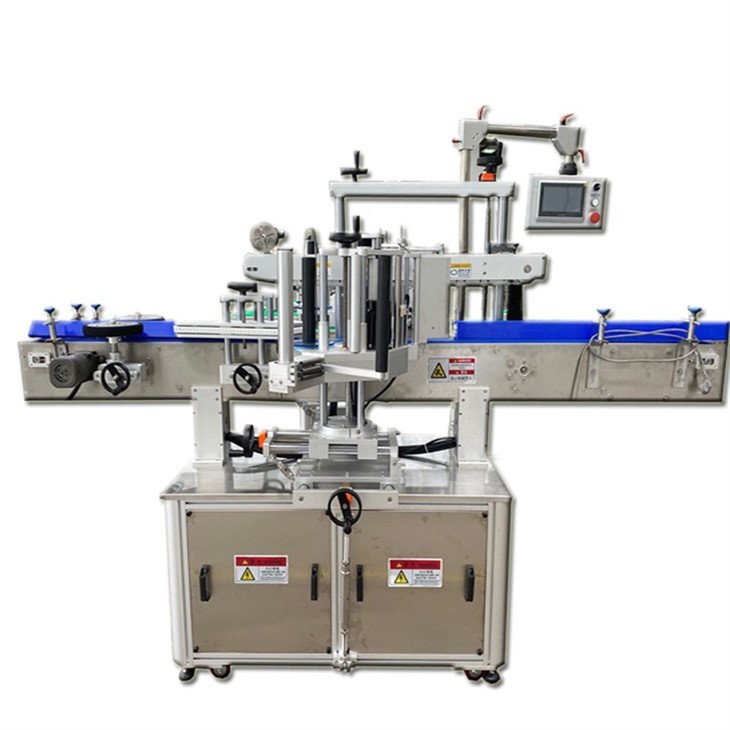
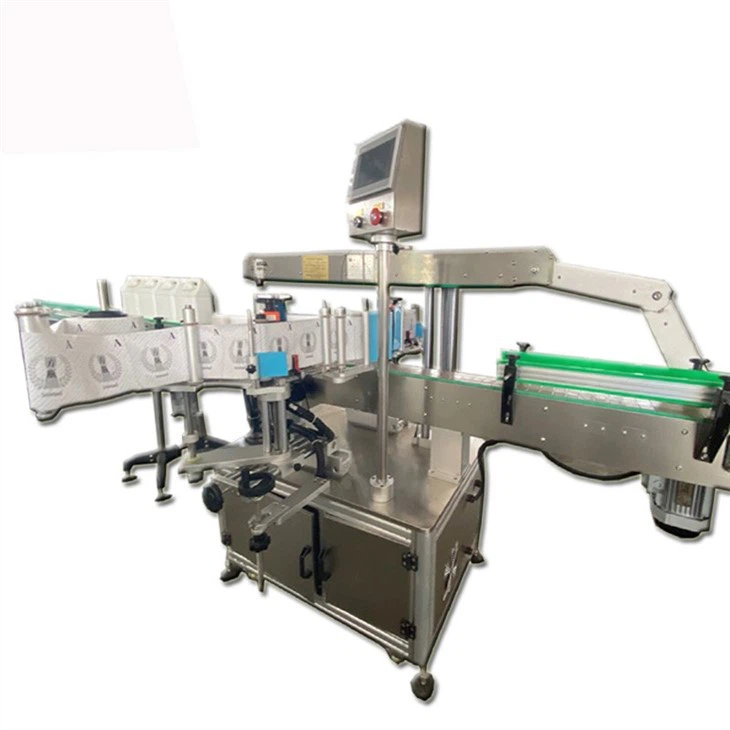
If you are also interested in other labeling solutions, we also have Single - sided Self - adhesive Labeling Machine and Self - adhesive Labeling Machine which can meet different needs in your production line.
Conclusion
In conclusion, an ink coding machine can print on rubber products, but it requires careful consideration of factors such as ink compatibility, surface preparation, and printing conditions. With the right equipment, inks, and expertise, manufacturers can achieve high - quality and durable printing on rubber. As an ink coding machine supplier, we are committed to providing our customers with the best solutions for their rubber marking needs.
If you are looking for an ink coding machine for your rubber products, or if you have any questions about printing on rubber, please feel free to contact us. We are here to help you find the most suitable solution for your business. Our team of experts will be happy to discuss your requirements and provide you with a customized quote.
References
- "Inkjet Printing Technology" - A comprehensive guide on inkjet printing principles and applications.
- "Rubber Materials and Their Properties" - A technical document that details the characteristics of different types of rubber.
- "Surface Treatment of Rubber for Printing" - Research paper on the methods of surface treatment to improve ink adhesion on rubber.