

Can an ink coding machine print on plastic bottles?
As a supplier of ink coding machines, I often get asked this question by potential customers. The short answer is yes, an ink coding machine can print on plastic bottles. However, there are several factors to consider to ensure a successful and high - quality printing process.
Compatibility of Inks with Plastic Materials
Plastic bottles come in a variety of materials, such as polyethylene (PE), polypropylene (PP), polyethylene terephthalate (PET), and more. Each plastic material has its own surface characteristics, including smoothness, chemical composition, and surface energy.
For example, PET bottles are commonly used in the beverage industry. They have a relatively smooth surface, but the ink needs to adhere well to ensure long - lasting printing. Inks formulated for PET usually have good adhesion properties and resistance to moisture and abrasion.
On the other hand, PE and PP plastics have lower surface energy, which means that the ink may not stick easily. Specialized inks are required for these materials. These inks are designed to increase the wetting and adhesion on low - surface - energy plastics. They often contain additives that can modify the surface tension of the ink, allowing it to spread and bond effectively with the plastic surface.
Printing Technologies and Their Suitability
There are different types of ink coding technologies available, each with its own advantages and limitations when it comes to printing on plastic bottles.
Continuous Inkjet (CIJ)
CIJ is one of the most commonly used ink coding technologies. In a CIJ system, a continuous stream of ink is ejected from a nozzle, and the droplets are charged and deflected onto the surface of the plastic bottle. This technology is suitable for high - speed production lines, as it can print at very fast speeds, up to several hundred meters per minute.
CIJ is great for printing variable information such as batch numbers, expiration dates, and barcodes on plastic bottles. However, the print quality may be affected by the surface roughness of the plastic. If the surface is too rough, the ink droplets may not form a smooth and clear image.
Drop - on - Demand (DOD)
DOD ink coding machines work by ejecting ink droplets only when needed. There are two main types of DOD: piezoelectric and thermal. Piezoelectric DOD uses a piezoelectric crystal to generate pressure and eject the ink, while thermal DOD uses heat to create a bubble that forces the ink out of the nozzle.
DOD is suitable for printing high - resolution images and text on plastic bottles. It can produce sharp and detailed prints, which is ideal for applications where the appearance of the print is crucial, such as brand logos or marketing messages. However, DOD machines may have a lower printing speed compared to CIJ, which may not be suitable for very high - volume production lines.
Laser Coding
Laser coding is a non - contact coding method that uses a laser beam to etch or mark the surface of the plastic bottle. It offers permanent and high - quality coding, with excellent resistance to abrasion and chemicals. Laser coding is particularly suitable for applications where long - term readability is required, such as on medical or food packaging.
However, laser coding can be more expensive to set up compared to ink - based coding machines. Also, the type of plastic material can affect the laser coding process. Some plastics may melt or char under the laser beam, resulting in a poor - quality mark.
Environmental and Regulatory Considerations
When printing on plastic bottles, it is important to consider the environmental impact of the ink and the printing process. Many inks contain solvents and chemicals that can be harmful to the environment and human health. Therefore, it is essential to choose inks that are compliant with relevant environmental regulations.
For example, in the food and beverage industry, the inks used for printing on plastic bottles must be food - safe. They should not migrate into the food or beverage, which could pose a risk to consumers. There are strict regulations in place regarding the use of food - contact materials, and suppliers of ink coding machines need to ensure that the inks they offer meet these requirements.
Surface Preparation for Better Printing
In some cases, surface preparation of the plastic bottles may be necessary to improve the adhesion of the ink. Surface treatment methods such as corona treatment can increase the surface energy of the plastic, making it easier for the ink to adhere.
Corona treatment involves exposing the plastic surface to a high - voltage electrical discharge, which creates free radicals on the surface. These free radicals react with the ink, forming a stronger bond. This treatment is commonly used for PE and PP plastics, which have low surface energy.
Case Studies
Let's take a look at some real - world examples of using ink coding machines to print on plastic bottles.
A beverage company was using a CIJ ink coding machine to print batch numbers and expiration dates on its PET bottles. The company initially faced some issues with the ink adhesion, as the bottles were stored in a humid environment before printing. By switching to a more moisture - resistant ink and adjusting the printing parameters, such as the ink viscosity and the distance between the nozzle and the bottle surface, the company was able to achieve a reliable and clear print.
Another example is a cosmetic company that wanted to print high - resolution brand logos on its PP plastic bottles. They chose a piezoelectric DOD ink coding machine, which was able to produce sharp and detailed prints. To ensure good adhesion, the bottles were corona - treated before printing, and a specialized ink for PP plastics was used.

Related Products and Their Synergies
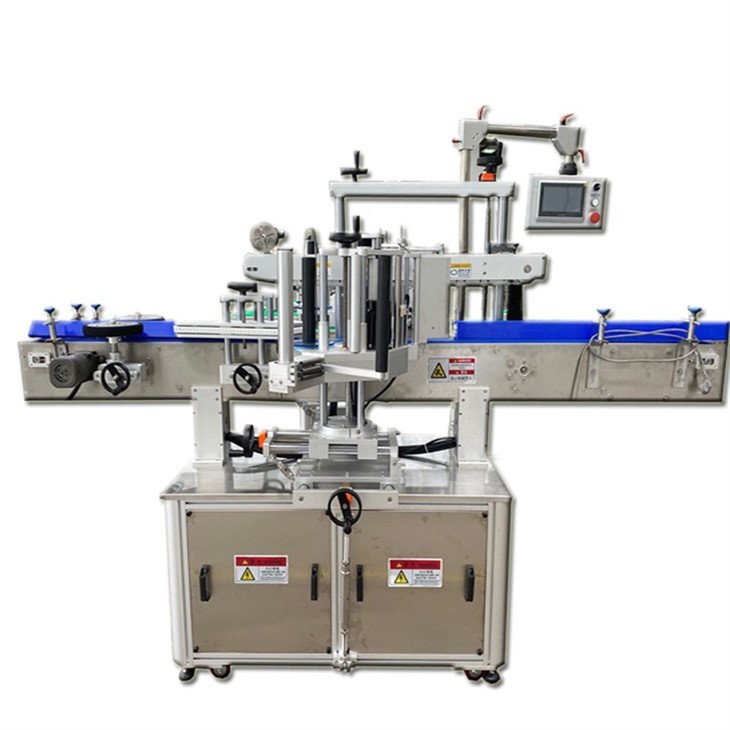
In addition to ink coding machines, there are other products that can be used in conjunction with them when dealing with plastic bottles. For example, Single - sided Self - adhesive Labeling Machine and Double - sided Self - adhesive Labeling Machine can be used to apply labels to plastic bottles. These labeling machines can work in tandem with ink coding machines to provide a complete packaging solution.
A single - sided self - adhesive labeling machine can be used to apply a label with basic product information, and then an ink coding machine can be used to print additional variable information on the label or directly on the plastic bottle. A double - sided self - adhesive labeling machine can be used for more complex packaging requirements, such as applying labels on both sides of the bottle.
Conclusion and Call to Action
In conclusion, an ink coding machine can definitely print on plastic bottles, but it requires careful consideration of factors such as ink compatibility, printing technology, environmental regulations, and surface preparation. As a supplier of ink coding machines, we have the expertise and experience to help you choose the right solution for your specific needs.
If you are in the market for an ink coding machine for your plastic bottle packaging line, or if you have any questions about the printing process, please feel free to contact us. We can provide you with detailed information, product demonstrations, and customized solutions to ensure that you get the best results for your business.
References
- Packaging Machinery Manufacturers Institute (PMMI). "Guide to Packaging Technologies."
- "Inkjet Printing Technology: Principles and Applications" by John C. Jones.
- "Plastics Packaging: Materials, Technology, and Innovations" by Rosato's Plastics Encyclopedia and Dictionary.