

As a supplier of water treatment systems, I've encountered numerous inquiries from clients regarding the integration of our water treatment systems with other water-using equipment. This topic is not only relevant but also crucial for industries and households aiming to optimize water usage and enhance the efficiency of their water-dependent operations. In this blog post, I'll delve into the feasibility, benefits, and challenges of integrating water treatment systems with other water-using equipment.
Feasibility of Integration
The short answer is yes; a water treatment system can indeed be integrated with other water-using equipment. Modern water treatment technologies are designed with flexibility in mind, allowing for seamless integration with a wide range of equipment. Whether it's industrial machinery, commercial appliances, or residential plumbing systems, there are various ways to connect a water treatment system.
Industrial Applications
In industrial settings, water is used for multiple purposes, including cooling, heating, and as a raw material in manufacturing processes. Integrating a water treatment system with industrial equipment such as boilers, cooling towers, and manufacturing machinery can significantly improve their performance and lifespan. For example, a water treatment system can remove impurities and scale-forming minerals from the water before it enters a boiler. This prevents the buildup of scale inside the boiler tubes, which can reduce heat transfer efficiency and increase energy consumption. Similarly, in cooling towers, treated water can minimize corrosion and biological growth, ensuring the efficient operation of the cooling system.
Commercial and Residential Applications
In commercial buildings, water treatment systems can be integrated with equipment like dishwashers, washing machines, and water heaters. By providing clean and treated water, these appliances can operate more effectively, produce better results, and have a longer service life. In residential settings, homeowners can integrate water treatment systems with their plumbing systems to ensure that all water outlets in the house deliver high-quality water. This can improve the taste and odor of the water, as well as prevent damage to household appliances caused by hard water.
Benefits of Integration
Improved Equipment Performance
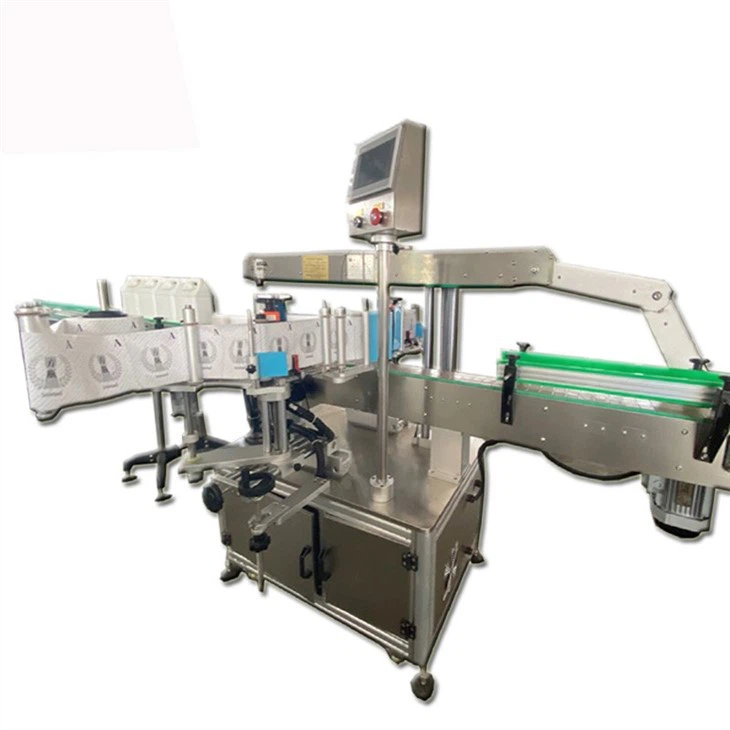
Integrating a water treatment system with other water-using equipment can enhance the performance of the equipment. As mentioned earlier, removing impurities and scale from the water can prevent damage to the equipment and improve its efficiency. For example, a Single-sided Self-adhesive Labeling Machine that uses treated water in its cleaning or cooling processes will experience fewer breakdowns and require less maintenance. Similarly, a Double-sided Self-adhesive Labeling Machine will benefit from the consistent quality of treated water, ensuring accurate and reliable labeling operations.

Cost Savings
One of the significant benefits of integration is cost savings. By preventing damage to equipment and improving its efficiency, businesses and homeowners can save on repair and replacement costs. Additionally, treated water can reduce energy consumption in equipment such as boilers and water heaters, leading to lower utility bills. In the long run, the initial investment in a water treatment system can be offset by the savings in maintenance and energy costs.
Environmental Sustainability
Integrating water treatment systems with other water-using equipment can also contribute to environmental sustainability. By treating water on-site, businesses can reduce their reliance on freshwater sources and minimize the discharge of wastewater. Treated water can be reused in various processes, conserving water resources and reducing the environmental impact of water consumption.
Challenges of Integration
Compatibility Issues
One of the main challenges of integrating a water treatment system with other water-using equipment is compatibility. Different equipment may have specific water quality requirements, and the water treatment system must be able to meet these requirements. For example, some industrial processes may require water with a very low level of dissolved solids, while others may be more tolerant of impurities. It's essential to carefully assess the water quality needs of the equipment and select a water treatment system that can provide the appropriate level of treatment.
Installation and Maintenance
Integrating a water treatment system with other equipment may require specialized installation and maintenance. The installation process may involve modifying the existing plumbing or electrical systems, which can be complex and time-consuming. Additionally, regular maintenance of the water treatment system is necessary to ensure its proper functioning. This may include replacing filters, monitoring water quality, and performing routine inspections.
Regulatory Compliance
In some industries, there are strict regulations regarding water quality and the use of water treatment systems. Businesses must ensure that their integrated water treatment systems comply with these regulations. Failure to comply can result in fines and legal consequences. It's important to work with a reputable water treatment system supplier who can provide guidance on regulatory compliance and help ensure that the integrated system meets all the necessary requirements.
Overcoming the Challenges
Professional Consultation
To overcome the challenges of integration, it's advisable to seek professional consultation from a water treatment expert. A knowledgeable supplier can assess the specific needs of your equipment and recommend the most suitable water treatment system. They can also provide guidance on the installation process, maintenance requirements, and regulatory compliance.
Customized Solutions
Many water treatment system suppliers offer customized solutions to meet the unique requirements of different industries and applications. By working with a supplier who can customize the system, you can ensure that it is fully compatible with your water-using equipment and provides the desired level of treatment.
Training and Support
A reliable water treatment system supplier will also provide training and support to help you operate and maintain the integrated system effectively. This may include training on how to use the system, perform routine maintenance tasks, and troubleshoot common problems. Having access to ongoing support can ensure that your water treatment system continues to operate smoothly and efficiently.
Conclusion
In conclusion, integrating a water treatment system with other water-using equipment is not only feasible but also offers numerous benefits. From improved equipment performance and cost savings to environmental sustainability, the advantages of integration are significant. However, it's important to be aware of the challenges and take appropriate steps to overcome them. As a water treatment system supplier, I'm committed to helping businesses and homeowners integrate our systems with their water-using equipment successfully. If you're interested in learning more about how our water treatment systems can be integrated with your equipment or would like to discuss a potential project, please don't hesitate to contact us. We look forward to working with you to optimize your water usage and enhance the efficiency of your operations.
References
- "Water Treatment Handbook" by Metcalf & Eddy
- "Industrial Water Treatment: A Practical Guide" by Peter M. Huck
- "Residential Water Treatment Systems: A Consumer's Guide" by the Environmental Protection Agency