

Hey there! As a labeling machine supplier, I often get asked this question: "Can a labeling machine label metal cans?" Well, the short answer is yes, it can. But let's dive deeper into this topic to understand the ins and outs of labeling metal cans with labeling machines.
First off, let's talk about why you might want to label metal cans in the first place. Metal cans are widely used in various industries, such as food and beverage, cosmetics, and chemicals. Labels on metal cans serve multiple purposes. They provide essential information like product name, ingredients, usage instructions, and warnings. They also play a crucial role in brand identity and marketing. A well - designed label can make your product stand out on the shelves and attract customers.
Now, let's get into the technical side of things. There are different types of labeling machines that can handle metal cans. One of the most common types is the self - adhesive labeling machine. We offer both Double - sided Self - adhesive Labeling Machine and Single - sided Self - adhesive Labeling Machine.
Self - adhesive labeling machines work great for metal cans. They use pre - printed labels with an adhesive backing. The machine peels the label from the liner and applies it to the metal can. The process is relatively fast and can be highly accurate. The key advantage of using a self - adhesive labeling machine for metal cans is the flexibility. You can easily change the label design, size, and content, which is ideal for small - batch production or when you need to update your product information.
Another type of labeling machine that can be used for metal cans is the shrink sleeve labeling machine. Shrink sleeve labels are made of plastic film that shrinks when heat is applied. These labels can completely cover the metal can, providing 360 - degree branding and protection. Shrink sleeve labels are very durable and can withstand harsh environmental conditions, making them a popular choice for products that are stored or transported in tough situations.
However, when using a labeling machine to label metal cans, there are a few things you need to consider.
Surface Condition of the Metal Can
The surface of the metal can needs to be clean and dry before labeling. Any dirt, oil, or moisture on the surface can affect the adhesion of the label. If the can has a coating or finish, it's important to ensure that the label adhesive is compatible with it. Otherwise, the label may not stick properly or may peel off over time.
Label Material and Adhesive
The choice of label material and adhesive is crucial. For metal cans, you need a label material that can withstand the conditions the product will be exposed to. For example, if the product will be stored in a humid environment, you'll need a label material that is moisture - resistant. The adhesive also needs to be strong enough to hold the label in place on the metal surface. There are different types of adhesives available, such as permanent adhesives for long - term labeling and removable adhesives if you need to change the label later.
Labeling Speed and Accuracy
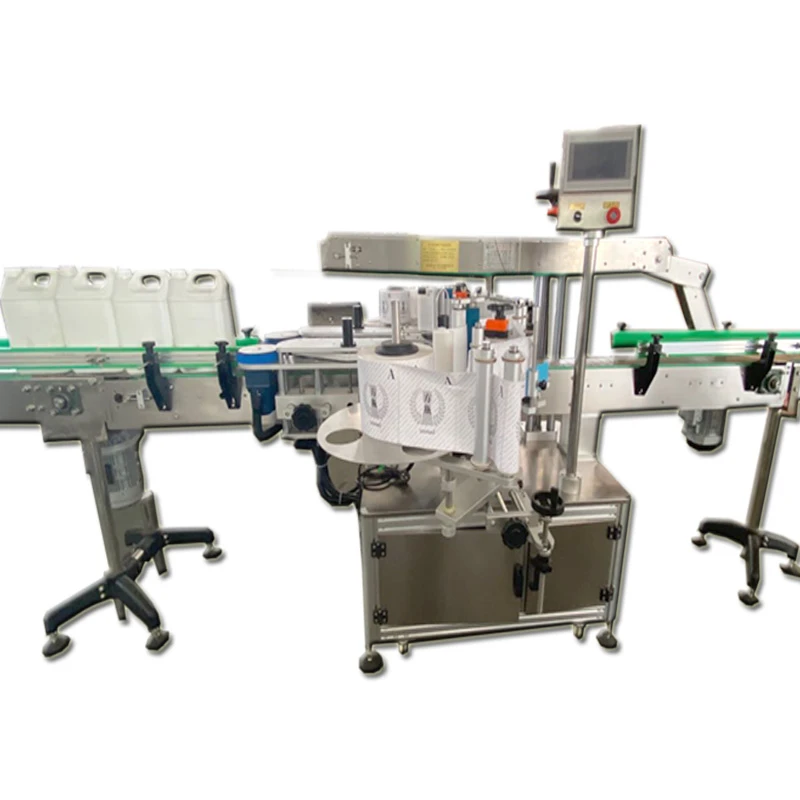

Depending on your production volume, you need to choose a labeling machine that can meet your speed requirements. At the same time, accuracy is also important. The label should be applied straight and centered on the metal can. Most modern labeling machines come with advanced sensors and control systems to ensure high - speed and accurate labeling.
Label Design and Size
The design and size of the label should be suitable for the metal can. The label should not be too large or too small for the can's surface area. A well - designed label will not only look good but also be easy to apply with the labeling machine. You also need to consider the shape of the metal can. Some cans may have irregular shapes, which may require a more specialized labeling machine or a custom - designed label.
In addition to self - adhesive and shrink sleeve labeling machines, there are also other options available for labeling metal cans. For example, hot stamping machines can be used to apply metallic or foil - like labels to metal cans. This method is often used for high - end products to create a luxurious look.
Let's take a look at some real - world examples. In the food and beverage industry, many companies use labeling machines to label their metal cans. A beer company, for instance, may use a self - adhesive labeling machine to apply labels with their brand logo, beer type, and alcohol content. The labels need to be clear and attractive to catch the consumers' eyes in a crowded market.
In the cosmetics industry, metal cans are often used for products like deodorants and hairsprays. Shrink sleeve labeling machines are popular in this industry because they can provide a seamless and eye - catching look. The labels can be printed with detailed product information and beautiful graphics to enhance the brand image.
So, to sum it up, a labeling machine can definitely label metal cans. There are different types of labeling machines available, each with its own advantages and suitable for different applications. Whether you're a small - scale producer or a large - scale manufacturer, there's a labeling machine out there that can meet your needs.
If you're in the market for a labeling machine to label your metal cans, we'd love to help. We have a wide range of labeling machines, including the Double - sided Self - adhesive Labeling Machine and Single - sided Self - adhesive Labeling Machine. Our team of experts can provide you with professional advice on choosing the right machine for your specific requirements.
If you have any questions or would like to discuss your labeling needs further, don't hesitate to reach out. We're here to help you find the best labeling solution for your metal cans.
References
- Packaging Machinery Manufacturers Institute (PMMI). (2023). Guide to Labeling Machines.
- Smith, J. (2022). Labeling Technology for Metal Containers. Journal of Packaging Science.