

In today's world, access to clean and safe water is a fundamental necessity. As a supplier of water treatment systems, I've witnessed firsthand the growing demand for these systems, not only from residential customers but also from commercial and industrial sectors. One question that frequently arises during discussions with potential clients is whether there are any government subsidies available for installing a water treatment system. In this blog post, I'll explore this topic in detail, providing insights into the potential sources of government support and how it can benefit those looking to invest in water treatment solutions.
The Importance of Water Treatment Systems
Before delving into government subsidies, it's essential to understand why water treatment systems are crucial. Contaminated water can pose significant health risks, including the spread of waterborne diseases such as cholera, typhoid, and hepatitis A. In addition to health concerns, poor water quality can also damage plumbing systems, appliances, and industrial equipment, leading to costly repairs and replacements.
Water treatment systems play a vital role in removing impurities, contaminants, and harmful substances from water, ensuring that it is safe for consumption and other uses. These systems can range from simple point-of-use filters for residential applications to large-scale industrial treatment plants. By investing in a water treatment system, individuals and businesses can protect their health, property, and the environment.
Potential Government Subsidies for Water Treatment Systems
Government subsidies for water treatment systems can vary widely depending on the country, region, and specific circumstances. In many cases, these subsidies are designed to promote environmental sustainability, public health, and economic development. Here are some potential sources of government support:
1. Federal and State Grants
In some countries, the federal or state government offers grants to individuals, businesses, and communities for the installation of water treatment systems. These grants can cover a portion of the cost of purchasing and installing the system, making it more affordable for those who may not have the financial resources to invest in such a project.
For example, in the United States, the Environmental Protection Agency (EPA) provides grants through various programs to support water infrastructure projects, including the installation of water treatment systems. These grants are often targeted at rural and disadvantaged communities that may face challenges in accessing clean water.
2. Tax Incentives
Another form of government support is tax incentives. Governments may offer tax credits or deductions for individuals and businesses that invest in water treatment systems. These incentives can help reduce the overall cost of the project and provide a financial incentive for adopting sustainable water management practices.
For instance, some states in the United States offer tax credits for homeowners who install energy-efficient water treatment systems, such as reverse osmosis systems or water softeners. These tax credits can offset a portion of the cost of the system, making it more attractive for homeowners to invest in clean water solutions.
3. Low-Interest Loans
In addition to grants and tax incentives, governments may also offer low-interest loans to help individuals and businesses finance the installation of water treatment systems. These loans can provide access to capital at a lower cost than traditional bank loans, making it easier for borrowers to afford the upfront investment.
For example, some local governments offer low-interest loans through community development programs to support the installation of water treatment systems in residential and commercial properties. These loans can be repaid over a longer period, reducing the financial burden on borrowers.
4. Rebate Programs
Rebate programs are another common form of government support for water treatment systems. Under these programs, governments offer rebates to individuals and businesses that purchase and install eligible water treatment systems. These rebates can provide a direct financial incentive for consumers to choose more efficient and sustainable water treatment options.
For instance, some utility companies offer rebate programs for customers who install water-efficient fixtures and appliances, including water treatment systems. These rebates can help offset the cost of the system and encourage consumers to adopt water-saving practices.
How to Find Government Subsidies for Water Treatment Systems
If you're interested in exploring government subsidies for water treatment systems, there are several steps you can take to find out what options are available in your area:
1. Research Local Government Programs
Start by researching local government programs and initiatives that may offer subsidies or incentives for water treatment systems. This can include contacting your local government offices, such as the department of environmental protection, water resources department, or economic development agency. These agencies can provide information on available programs, eligibility criteria, and application procedures.
2. Check with Utility Companies
Utility companies often offer rebate programs and other incentives for customers who invest in water-efficient technologies, including water treatment systems. Contact your local water utility company to find out if they offer any such programs and what the requirements are.
3. Consult with a Water Treatment Professional
As a water treatment system supplier, I recommend consulting with a professional in the industry. A qualified water treatment specialist can provide valuable insights into the different types of systems available, the specific needs of your property, and any potential government subsidies or incentives that may apply. They can also assist you in navigating the application process and ensuring that you meet all the requirements.
4. Stay Informed
Government subsidies and incentives for water treatment systems can change over time, so it's important to stay informed about the latest developments. Subscribe to newsletters, follow government agencies on social media, and regularly check their websites for updates on available programs and opportunities.
The Benefits of Investing in a Water Treatment System with Government Subsidies
Investing in a water treatment system with the help of government subsidies can offer several benefits, including:
1. Cost Savings
By taking advantage of government subsidies, grants, tax incentives, or rebates, you can significantly reduce the upfront cost of purchasing and installing a water treatment system. This can make the investment more affordable and provide a better return on investment over the long term.
2. Improved Water Quality
A water treatment system can effectively remove impurities, contaminants, and harmful substances from your water, ensuring that it is clean, safe, and healthy for consumption and other uses. This can have a positive impact on your health, as well as the health of your family, employees, or customers.
3. Environmental Sustainability
Investing in a water treatment system is a sustainable choice that can help conserve water resources and reduce the environmental impact of water consumption. By treating and reusing water, you can minimize the need for freshwater extraction and reduce the amount of wastewater discharged into the environment.
4. Increased Property Value
A water treatment system can add value to your property by improving the quality of the water supply and providing a more attractive selling point for potential buyers. This can be particularly beneficial for homeowners and commercial property owners who are looking to increase the value of their investment.
Conclusion
As a water treatment system supplier, I believe that access to clean and safe water is a fundamental right. Government subsidies and incentives can play a crucial role in making water treatment systems more accessible and affordable for individuals, businesses, and communities. By taking advantage of these opportunities, you can not only protect your health and property but also contribute to a more sustainable future.
If you're interested in learning more about our water treatment systems or exploring government subsidies and incentives in your area, please don't hesitate to contact us. Our team of experts is here to help you find the right solution for your needs and guide you through the process. Let's work together to ensure that everyone has access to clean and safe water.
References
- Environmental Protection Agency (EPA). (n.d.). Water Infrastructure Grants. Retrieved from [EPA Website]
- State Government Websites (various). (n.d.). Tax Incentives and Rebate Programs for Water Treatment Systems. Retrieved from [State Government Websites]
- Utility Company Websites (various). (n.d.). Rebate Programs for Water-Efficient Technologies. Retrieved from [Utility Company Websites]
Note: The links in the references section are placeholders and should be replaced with the actual URLs when the blog is published. Also, make sure to check the accuracy and availability of the information before including it in the references.

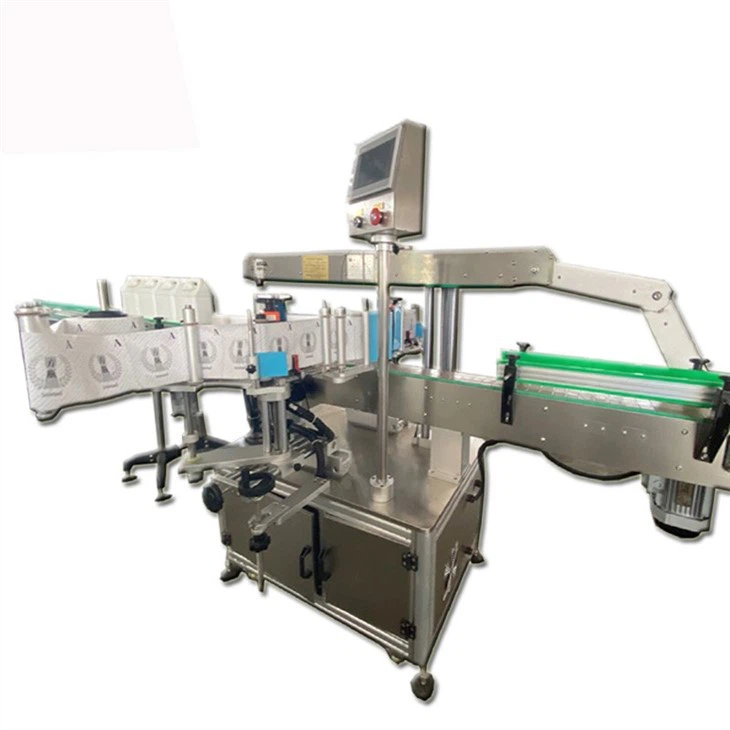
In addition, here are the inserted hyperlinks as requested:
- For more information on labeling machines, you can check out our Single-sided Self-adhesive Labeling Machine and Self-adhesive Labeling Machine.
If you're interested in purchasing a water treatment system or have any questions, feel free to reach out to us for a detailed discussion and personalized solution. We're eager to assist you in making the best choice for your water treatment needs.