

Are the chemicals in a water treatment system safe?
Hey there! I'm a supplier of water treatment systems, and I often get asked this question: Are the chemicals in a water treatment system safe? It's a valid concern, considering that we're talking about the water we drink, cook with, and use for various daily activities. So, let's dive right in and explore this topic.
First off, it's important to understand that water treatment systems use chemicals for a variety of reasons. These chemicals are typically used to disinfect the water, remove impurities, and adjust the water's pH level. The most common chemicals used in water treatment include chlorine, chloramine, fluoride, and various coagulants and flocculants.
Let's start with chlorine. Chlorine is one of the most widely used disinfectants in water treatment. It's highly effective at killing bacteria, viruses, and other harmful microorganisms that can cause waterborne diseases. When chlorine is added to water, it forms hypochlorous acid, which is a powerful disinfectant. The amount of chlorine added to the water is carefully regulated to ensure that it's effective at killing pathogens while remaining safe for human consumption.
The U.S. Environmental Protection Agency (EPA) has set maximum contaminant levels (MCLs) for chlorine in drinking water. These MCLs are designed to protect public health by ensuring that the amount of chlorine in the water is within a safe range. In most cases, the level of chlorine in treated water is well below the MCL, so there's no need to worry about its safety.
Chloramine is another disinfectant that's used in some water treatment systems. It's a combination of chlorine and ammonia and is often used as an alternative to chlorine because it's more stable and lasts longer in the water. Like chlorine, chloramine is also regulated by the EPA, and the levels in treated water are carefully monitored to ensure safety.
Fluoride is another chemical that's commonly added to water treatment systems. Fluoride helps prevent tooth decay by strengthening the enamel on our teeth. The EPA has also set an MCL for fluoride in drinking water to ensure that the amount added is safe. In fact, the addition of fluoride to drinking water has been one of the most successful public health measures in the United States, significantly reducing the incidence of tooth decay.
Now, let's talk about coagulants and flocculants. These chemicals are used to remove suspended particles and impurities from the water. Coagulants, such as aluminum sulfate and ferric chloride, work by neutralizing the electrical charges on the particles, causing them to clump together. Flocculants, on the other hand, help these clumps, or flocs, grow larger so that they can be more easily removed by sedimentation or filtration.
These chemicals are also regulated, and the water treatment plants follow strict guidelines to ensure that the amount used is appropriate. Once the treatment process is complete, the remaining chemicals are removed or reduced to very low levels before the water is distributed to consumers.
However, some people may still have concerns about the safety of these chemicals. For example, some individuals may be sensitive to the taste or smell of chlorine in the water. In such cases, there are various methods to reduce the chlorine level, such as using activated carbon filters at home.
It's also worth noting that the water treatment process is a highly regulated and monitored industry. Water treatment plants are required to test the water regularly to ensure that it meets all the safety standards set by the EPA and other regulatory agencies.
If you're in the market for a water treatment system, it's important to choose a reliable supplier. At our company, we take pride in providing high - quality water treatment systems that use safe and effective chemicals. Our systems are designed to meet all the regulatory requirements and ensure that the water you get is clean and safe.
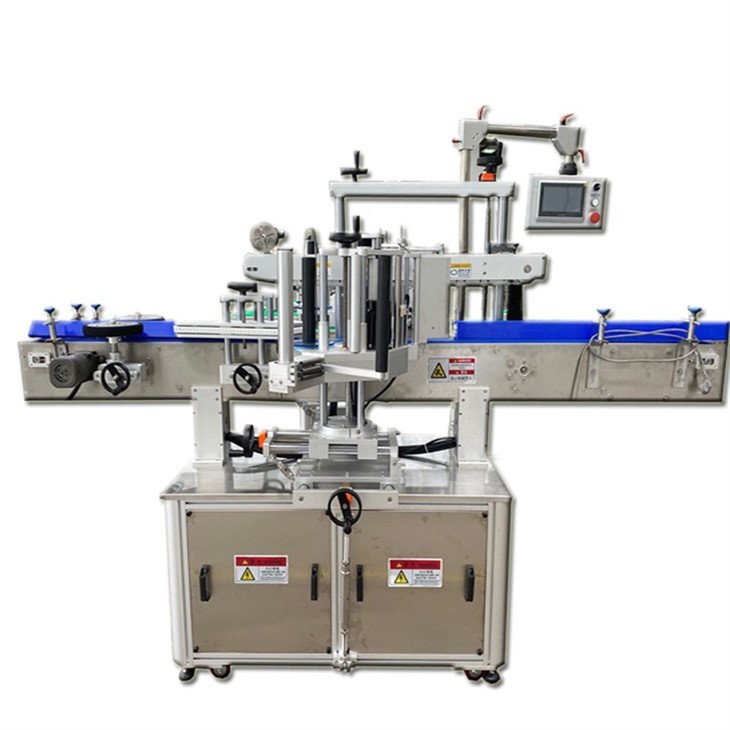
Now, if you're involved in the packaging industry and looking for labeling solutions, we've got some great resources for you. Check out our Self - adhesive Labeling Machine and Single - sided Self - adhesive Labeling Machine. These machines are top - notch and can greatly enhance your packaging efficiency.
We understand that choosing the right water treatment system can be a big decision. That's why we're here to help. If you have any questions about our water treatment systems, the chemicals used, or anything else related to water treatment, don't hesitate to reach out. We'd love to have a chat with you and discuss how we can meet your specific needs. Whether you're a small business or a large industrial facility, we have the expertise and the products to provide you with a safe and reliable water treatment solution.

In conclusion, the chemicals used in water treatment systems are generally safe when used in accordance with the regulations. The water treatment industry has strict guidelines in place to ensure that the water we drink is clean, safe, and free from harmful contaminants. So, if you're considering investing in a water treatment system, you can have peace of mind knowing that you're making a choice that's good for your health and the environment.
If you're interested in learning more about our water treatment systems or have any questions, feel free to contact us. We're always ready to start a conversation and help you find the best solution for your water treatment needs. Let's work together to ensure that you have access to clean and safe water.
References
- U.S. Environmental Protection Agency. (n.d.). Drinking Water Regulations and Contaminants. Retrieved from the official EPA website.
- Centers for Disease Control and Prevention. (n.d.). Fluoride in Drinking Water. Retrieved from the CDC website.